8 Best 10 X 10 Canopy Tents
From leading brands and best sellers available on the web.By clicking on a link to a third party's website, log data is shared with that third party.


Buying Guide for the Best 10 X 10 Canopy Tents
Choosing the best 10x10 canopy tent might seem overwhelming with so many options out there, but focusing on your needs simplifies the process. Are you planning to use the tent for backyard parties, camping, market stalls, or beach days? Think about where and how often you’ll use it, who will help you set it up, and what kind of weather you might face. Knowing these details helps you prioritize certain features over others and ensures you get a canopy tent that’s both easy to use and built to last.Frame MaterialThe frame material of a canopy tent affects its strength, weight, and resistance to different weather conditions. Usually, frames are made from either steel or aluminum. Steel frames are very strong and durable, making them great for windy conditions, but they’re heavier to carry and can rust if not cared for. Aluminum frames are lighter and don’t rust, so they’re easier to transport and better for damp environments, but they might bend more easily in strong winds. Choose steel if sturdiness is more important where you’ll use it, and go with aluminum if you want lightweight convenience.
Canopy FabricThe canopy fabric determines how well your tent protects from sun, rain, and even how long it will last. Common materials are polyester, polyethylene, and sometimes canvas. Polyester is popular for its balance of durability and light weight and often comes with added coatings for UV or water resistance. Polyethylene is waterproof and tougher, but heavier. Look for higher-denier numbers if you want stronger fabric—denier measures the thickness. Consider weather at your usual locations: if you expect a lot of rain, waterproofing and thick fabric matter; for mostly sunny days, UV protection is key.
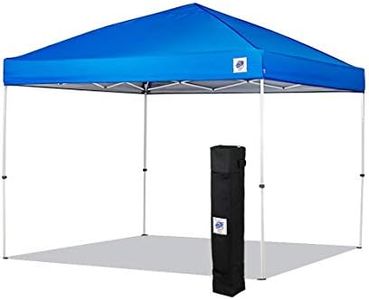
Ease of SetupSome tents are built for quick assembly, while others take more time and effort. Instant or pop-up canopies have frames that unfold easily, making them ideal if you often set up alone or in a hurry. Other tents may need more than one person and a few extra steps, providing greater sturdiness but slower setup. If you value speed or will often be setting up by yourself, prioritize instant setup styles. For more occasional use where you can get help, sturdier frames that take a bit longer may be fine.
Weather ResistanceWeather resistance includes how well a tent stands up to wind, rain, and sun. Features like reinforced corners, strong anchoring systems (stakes, ropes, weight bags), and vented roofs to let wind pass through make a tent more stable and less likely to blow away. Water-resistant or waterproof fabrics and sealed seams protect you during rain. Think about the most likely conditions where you’ll use the tent. Windy areas need strong frames and good anchoring, while rainy climates require solid water resistance.
PortabilityPortability refers to how easy it is to carry and transport your tent. This depends on weight, whether it comes with a carry bag (preferably with wheels), and how compact the tent folds up. If you’ll be transporting your tent often, especially by hand or in a small car, lighter weight and included wheels are a big plus. If your tent will mostly stay in one place, portability may matter less.
Height AdjustmentMost canopy tents have adjustable legs so you can raise or lower the roof to different heights. High settings offer more headroom and ventilation, while lower settings provide more wind protection and can fit under low obstacles. Choose tents with easy-to-use adjustment mechanisms if you expect to change settings frequently or accommodate different needs, like tall displays or seating.
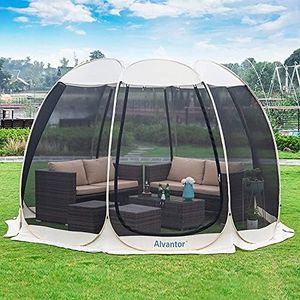
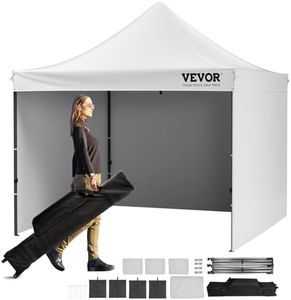
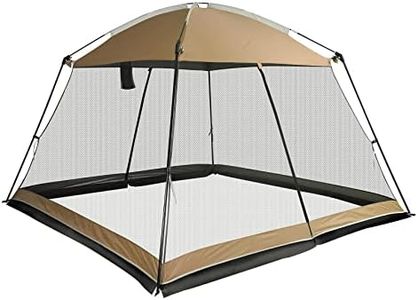
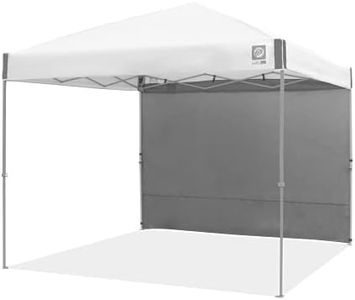
Sidewalls and AccessoriesSome tents include or have options for sidewalls, mosquito nets, or awnings. Sidewalls add protection from wind, sun, or prying eyes, and may be solid, mesh, or have windows or doors. Accessories like weight bags and stakes help keep the tent secure. If you need extra privacy, want weather protection, or plan to use your tent for multiple purposes, choose a model with compatible accessories or optional sidewalls.