5 Best 4 Way Smart Switch
From leading brands and best sellers available on the web.By clicking on a link to a third party's website, log data is shared with that third party.

Buying Guide for the Best 4 Way Smart Switch
Choosing the right 4-way smart switch can make controlling your home's lighting much more convenient and bring smart home features to multi-way light circuits. These switches let you control one set of lights from more than two locations and can be integrated with smart home systems for added versatility. To pick the best one for your needs, it's helpful to understand a few key specifications and how they relate to your daily use.Compatibility with Existing WiringCompatibility with existing wiring refers to whether the smart switch system will work with the wiring already in your walls, especially since 4-way circuits are a bit more complex. Some switches need a neutral wire, while others are designed to work without one. To find the right one, first check your wall box for a white neutral wire; if you see one, most switches will work for you, but if not, your choices become a bit more limited. Knowing your wiring is crucial as it will determine which switches you can safely and easily install.
Smart Home IntegrationSmart home integration is about whether the switch can connect with and be controlled by platforms like Alexa, Google Assistant, Apple HomeKit, or others. Some switches are only compatible with specific ecosystems, while others support a broad range. To choose, think about what other smart devices or voice assistants you already use at home and select a switch that works well with them. This will let you control your lights using your preferred app or voice commands.
Wireless Protocol (Wi-Fi, Zigbee, Z-Wave, etc.)The wireless protocol indicates how the smart switch communicates with your network and other devices—common choices include Wi-Fi, Zigbee, and Z-Wave. Wi-Fi switches connect directly to your router for remote access, while Zigbee and Z-Wave require a hub but can create more reliable, responsive networks for larger setups. If you want something easy that doesn’t need extra equipment, Wi-Fi is often simple; if you’re building out a bigger smart home, Zigbee or Z-Wave can be better in the long run.
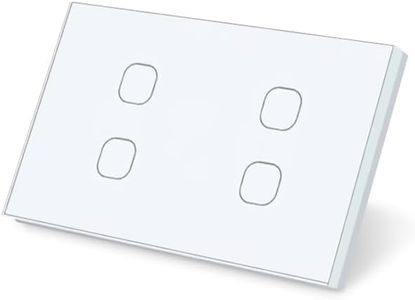
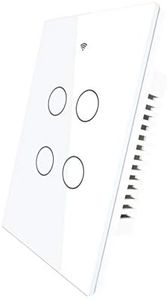
Physical Control and DesignPhysical control and design covers how you can use the switch manually and what it looks like. Some have traditional toggles or rocker switches, others offer touch-sensitive surfaces, and a few have built-in dimmers or LED indicators. Choose a switch that feels intuitive for everyone in your home to use and matches your home’s décor. If you want to keep things familiar, sticking to classic designs is safest; if you enjoy sleek, modern looks, touch or illuminated buttons might appeal more.
Installation Type and ComplexityThe installation type and complexity describe how easy it is to set up the switch yourself or whether you might need an electrician. Some products are designed for DIYers and come with clear instructions, while others can be more involved due to the multi-way wiring. If you’re comfortable working with electrical fixtures and have experience, you may manage complex installs; otherwise, picking a switch known for straightforward setup—especially one that labels its wires well—can save time and effort.
App Features and AutomationsApp features and automation options talk about what you can do with the switch through its mobile app—such as setting schedules, creating scenes, tracking energy use, or enabling vacation modes. Some switches offer only basic on/off control, while others let you automate lights based on time, motion, or other triggers. If you like tinkering or have specific routines, look for rich app features. If you just want remote on/off control, simpler options will suffice.