10 Best Address Stamps
From leading brands and best sellers available on the web.By clicking on a link to a third party's website, log data is shared with that third party.
Related Products
Buying Guide for the Best Address Stamps
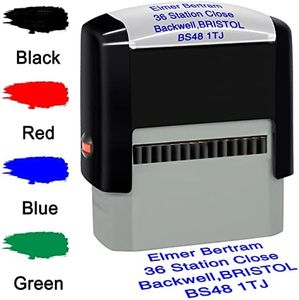
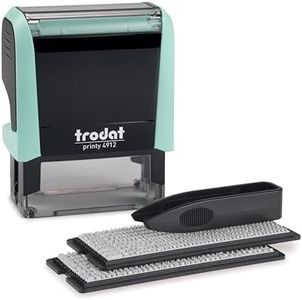
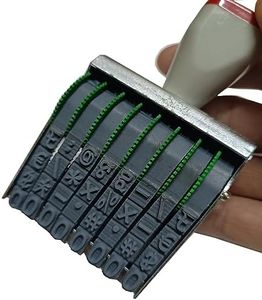
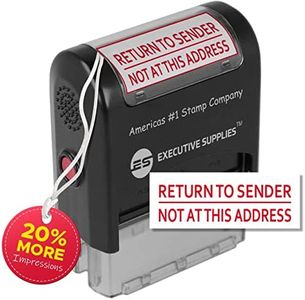
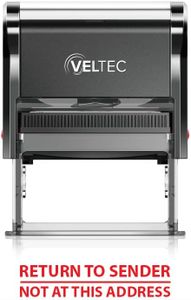
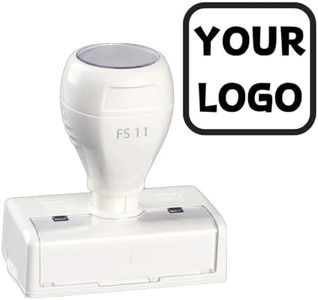
When it comes to buying an address stamp, it's all about making your mailing process faster and neater. These stamps can save you time compared to writing out your address by hand and ensure each envelope looks clean and professional. Choosing the right address stamp means considering a few important features to get a product that matches how often you use it, the impression style you want, and how easy it is to keep using.Stamp TypeThis refers to the basic design and mechanism of the address stamp, the main types being self-inking, pre-inked, and traditional rubber stamps. Self-inking stamps have an internal ink pad that automatically inks the stamp after every use, making them quick and mess-free for frequent stamping. Pre-inked stamps store ink in the stamp itself, offering crisp impressions and are suitable for high-volume or professional-looking results. Traditional rubber stamps require a separate ink pad and are often chosen for occasional use or when you want more versatility with ink colors. Think about how often you’ll use it—frequent users typically prefer self-inking or pre-inked for convenience and speed, while occasional users might be fine with a traditional stamp.
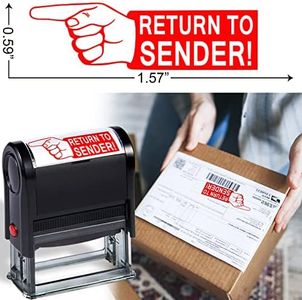
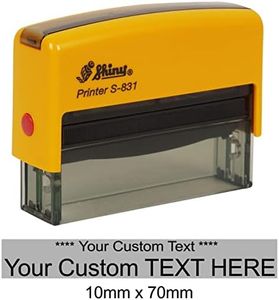
Impression Size and ShapeThis is about the dimensions and outline of the stamp impression, commonly rectangular, square, or round. A larger size means you can include more information or use bigger, more readable text, but it takes up more space on the envelope. Smaller sizes are more discreet and are great for minimizing bulk on small envelopes. If you want your stamp to double as a logo or decorative element, consider a custom size or shape. Choose a size based on the available space on the materials you plan to stamp and how visible you want your address information to be.
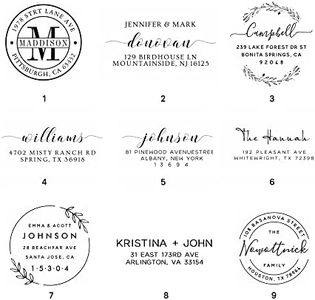
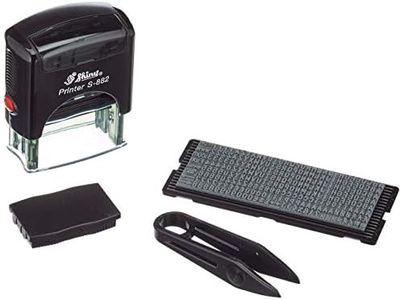
Font Style and CustomizationFont style refers to the look of the letters and any design elements on your stamp, while customization is about what address or details appear. Most address stamps allow you to pick from a range of fonts, or even add logos or motifs. Some people prefer elegant cursive, while others want bold, simple fonts for legibility. If you want a stamp to reflect personal taste or brand identity, prioritize customization. Make sure it’s easy to read—especially important for business use or when sending to formal contacts.
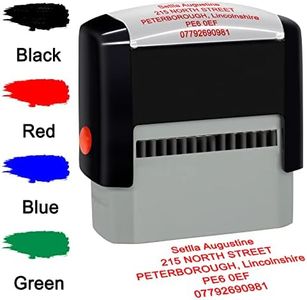
Ink ColorInk color is simply the color the impression will appear in. Standard options like black and blue are popular for their professional look, while red, green, or customized colors can add a unique touch. Some stamps let you swap ink pads for different colors. Consider how formal or creative you want the impression to look—business use usually sticks to black or blue, whereas personal correspondence or invitations might look better in fun or matching colors.
Durability and MaterialDurability refers to how well the stamp holds up over time and with repeated use. Stamps are made from plastics, metal, or wood. Heavy-duty and metal constructions withstand frequent use, ideal for business settings. Wooden or plastic stamps can be perfectly good for household or personal use with occasional stamping. If you mail hundreds of letters, invest in durability; for only occasional needs, lighter materials should suffice.
Ease of Re-inking/ReplacementThis is about how simple or practical it is to add more ink or replace the pad when your stamp starts getting faint. Some stamps require buying new pads, while others let you refill ink easily. If you use your stamp a lot, look for models with quick, easy re-inking to avoid downtime or mess. For occasional use, this may not be as critical.