10 Best Affordable Binoculars
From leading brands and best sellers available on the web.By clicking on a link to a third party's website, log data is shared with that third party.
Related Products
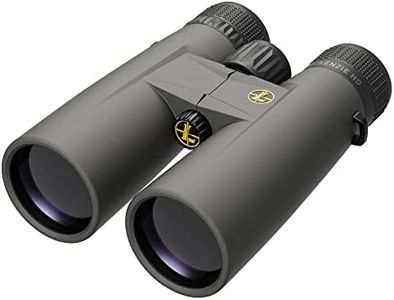
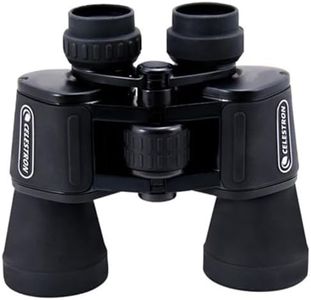


Buying Guide for the Best Affordable Binoculars
Choosing the right pair of affordable binoculars can make your outdoor experiences much better, whether you're birdwatching, attending sports events, or hiking. The key is to understand what features matter most for your intended use, so you don't get overwhelmed by all the technical terms. Think about what activities you'll do most with your binoculars and match your choice to those needs. Knowing what the different specifications mean and how they affect your experience will help you pick a pair that feels just right in your hands and gives you the view you expect.MagnificationMagnification tells you how much closer objects will appear when you look through the binoculars compared to the naked eye. It’s usually the first number you see in binocular descriptions, like 8x or 10x. Lower magnification, such as 7x or 8x, gives you a wider, steadier view that’s easier to manage, especially if you’re new to binoculars or planning to use them for general purposes like sports events or casual nature watching. Higher magnifications, like 10x or 12x, let you see more detail at a distance but can make the image shakier and the binoculars harder to keep steady without a tripod. Pick a magnification that suits your activities: if you want easier handling and a wider field of view, go lower; if you need to see distant details and can handle the steadiness, go higher.
Objective Lens DiameterThis is the second number in the binoculars description, such as the 42 in 8x42. It measures how wide the front lens is in millimeters. A larger objective lens lets in more light, which means a brighter image—especially helpful during dawn, dusk, or in wooded areas. Smaller lenses make the binoculars lighter and more compact but might not perform as well in low light. For everyday use or daytime activities, a lens diameter of around 25-32mm is usually enough. If you plan to use the binoculars in low-light situations or want a brighter view, look for lenses in the 40-50mm range. Choose based on whether portability or brightness is your priority.
Field of ViewField of view means how wide an area you can see when you look through the binoculars, usually measured in feet at 1,000 yards or meters at 1,000 meters. A wide field of view makes it easier to spot moving objects and is great for activities like birdwatching or watching sports. Narrower fields of view usually come with higher magnification. If you’re following fast or unpredictable subjects, a wider field of view will be more comfortable. If details matter more than catching action, a narrower field of view may be fine for you.
Weight and SizeThe weight and size of binoculars can really affect how comfortable they are to carry and use for extended periods. Compact and lightweight binoculars are much easier to pack and hold, ideal for travel, hiking, or casual use. Full-size binoculars with larger lenses tend to be heavier but can give you brighter views. Consider how much walking or carrying you'll do, and if you need something easy to pack away. Choose a comfortable balance between lightness and optical performance based on your usage.
Eye ReliefEye relief refers to the distance you can hold the binoculars away from your eyes and still see the full image. This is especially important if you wear glasses. Longer eye relief, usually above 15mm, makes binoculars more comfortable for eyeglass wearers. Non-eyeglass users can get by with shorter eye relief. Pick binoculars with good eye relief if you wear glasses; otherwise, it’s not a big concern.
Waterproof and FogproofWaterproof and fogproof features protect your binoculars from rain, moisture, and sudden changes in temperature. Waterproof binoculars are sealed so they won’t let in water, and fogproof ones are filled with gas to prevent internal fogging. If you’ll be using your binoculars outdoors in unpredictable weather or near water, having at least some level of weather protection is wise. If your binoculars will mostly stay indoors or only see fair weather, this feature is less crucial.