10 Best Air Dusters
From leading brands and best sellers available on the web.By clicking on a link to a third party's website, log data is shared with that third party.

Related Products
Up to 15% off

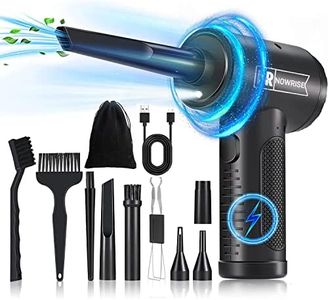
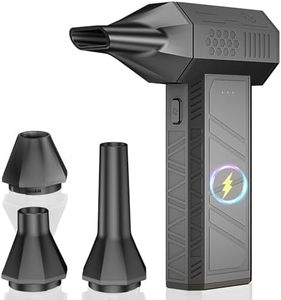
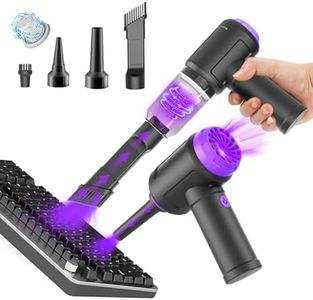
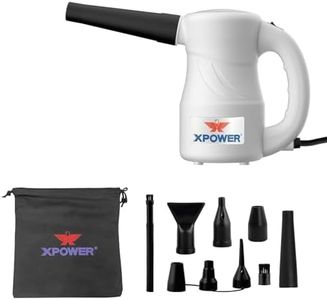
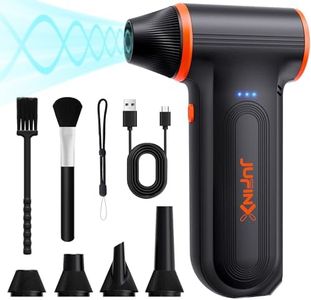
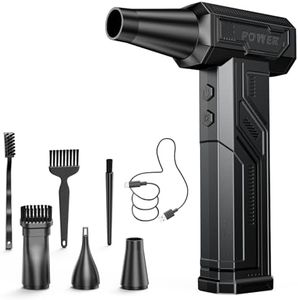
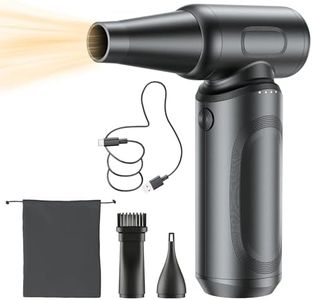
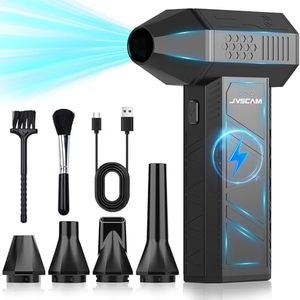
Buying Guide for the Best Air Dusters
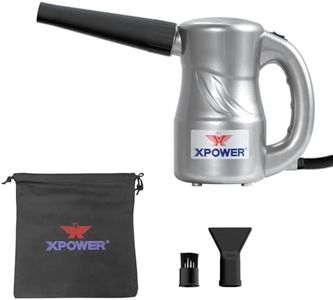
When it comes to picking an air duster, it's important to think about what you'll be using it for, how often you'll use it, and whether you want something more eco-friendly or long-lasting. Air dusters are commonly used to clean electronics, keyboards, cameras, and other sensitive items where traditional cleaning methods may not work. With a variety of options on the market, focusing on the essential features will help ensure you get one that fits your needs and lasts you a long time.Type (Disposable or Reusable)This refers to whether the air duster is a one-time-use canister (disposable) or an electric, rechargeable device (reusable). Disposable air dusters are pressurized cans that provide a quick burst of air but run out and must be replaced. Reusable ones are usually small devices you can plug in or recharge, and you can use them again and again. If you need to clean things constantly, a reusable duster can save you effort over time and is more environmentally friendly, while disposables are fine for infrequent or occasional use.
Airflow PowerAirflow power is typically measured in units like CFM (Cubic Feet per Minute) or as an air velocity rating. This tells you how strong the burst of air will be. Low power is sufficient for light dusting, such as cleaning keyboards or camera lenses. Medium power is suitable for most electronics or hard-to-reach crevices in home appliances. High power may be needed for larger items or stubborn dirt, like desktop computers or workshop equipment. Think about the types of objects you’ll be cleaning most often: go for higher airflow if you need to tackle bigger dust problems, but stick to lower settings for delicate items.
Nozzle AttachmentsAir dusters come with different nozzle shapes and attachments to help you reach tight spaces or focus the air stream. Some have narrow straws for precision cleaning, while others might offer wider tips for general dusting. The more attachments, the more flexible the tool will be for different tasks. If you plan to use your air duster for varied cleaning needs, pick one with several nozzle choices, but if you're just doing general cleaning, a single basic nozzle may be sufficient.
Chemical Composition (for Canned Air)For disposable canned air dusters, the gas inside can vary. Some formulas are less harmful to the environment or electronics, often labeled as 'ozone safe.' Others may contain harsh chemicals that can be risky if you're working near food or sensitive equipment. If eco-friendliness or safety is a concern, check the label for non-toxic, ozone-friendly ingredients. This is less relevant for reusable electric air dusters since they don't use chemicals at all.
Size and PortabilityThe physical size of the air duster influences how easy it is to store and carry around. Smaller models are more portable and perfect for occasional cleaning or travel, while larger models often provide more power or a longer run time. Choose a size based on where and how you'll use it the most—whether that's at your work desk, in the car, or at different places in the house or office.
Noise Level (for Electric Models)Noise level is a consideration especially for electric, motorized air dusters. Some units can get loud like a small vacuum cleaner, while others are quieter. If you’ll be using the duster in shared environments like offices or libraries, or you just prefer a quieter device, check for information on noise ratings or look for user comments about how loud the device is in operation.