10 Best Amigurumi Yarn
From leading brands and best sellers available on the web.By clicking on a link to a third party's website, log data is shared with that third party.


Related Products
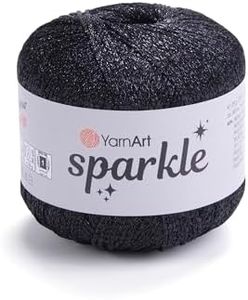
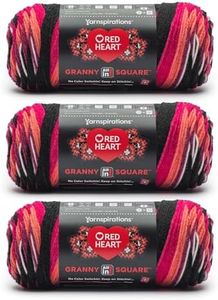
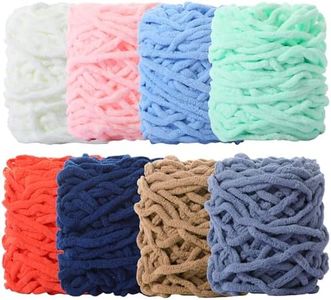
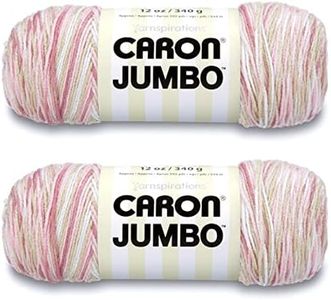
Buying Guide for the Best Amigurumi Yarn
Choosing the right yarn for amigurumi is a big part of making sure your crochet or knitted projects look their best and are easy to work with. Amigurumi often features small, detailed stuffed shapes, so the yarn you select will influence the look, feel, and durability of your finished figures. By learning about important yarn characteristics, you can ensure your amigurumi creations are both beautiful and long-lasting.Yarn WeightYarn weight refers to how thick or thin the yarn strand is. This matters because it affects the finished size and detail of your amigurumi. Common yarn weights for amigurumi range from light (sport or DK) to medium (worsted/aran). Lighter weights give smaller, more detailed and delicate toys, while medium weights create larger, sturdier figures. Very chunky or very thin yarns can make them either too bulky or too fiddly. To pick the right weight, consider the level of detail you want, the recommended weight in your pattern, and how big you want your finished piece to be.
Fiber ContentFiber content tells you what material the yarn is made from, such as cotton, acrylic, or blends. This is important because it affects the yarn's softness, durability, washability, and how much it stretches. Cotton yarn is a popular amigurumi choice because it's smooth, holds shape well, and shows stitches clearly, but it can be less stretchy. Acrylic is softer and more flexible, often easy to clean, and comes in more colors, but may fuzz more over time. If you want crisp, defined stitches and a firm feel, cotton is ideal. For softness, flexibility, or special allergies, consider acrylic or blends.
Ply and TwistPly refers to how many strands are twisted together to make the yarn. The twist affects the yarn’s smoothness, strength, and how easily it splits. A tightly twisted yarn with several plies will give a smooth appearance and make your amigurumi look neat, while a loose or single-ply yarn can lead to fuzziness and snagging as you work. For amigurumi, it's generally best to choose a yarn with a balanced, medium to tight twist, so your stitches stay even and your project looks tidy.
Color and Dye TypeYarn is available in a wide range of solid, variegated, or self-striping colors. Solid colors are usually best for amigurumi, because they help show the shapes, faces, and details more clearly. Variegated yarns can look interesting but sometimes obscure small features. Dye type can also affect washability, so ensure the colors you choose are colorfast if you're making toys for children. Let your intended design and how much detail you'll add guide your choice of color.
WashabilityWashability tells you how easy it is to clean your finished toy, which is particularly important for amigurumi that will be handled by kids or kept as keepsakes. Some yarns are machine washable, others require gentle hand washing. Generally, acrylic yarns are the easiest to clean, while some natural fibers like pure wool may need more care. Decide based on who will use the toy and how often you'll need to wash it.
Texture and FinishThe texture of the yarn — whether it's smooth, fluffy, or has a sheen — changes the final look and feel of your amigurumi. Smooth, matte yarns (like cotton) give a classic, detailed appearance, while fuzzy or textured yarns create a softer, whimsical look but may hide details. If you want crisp stitches and defined features, go with a smooth yarn. For a unique or cuddly finish, a little texture can add personality, but might make it trickier to see where to put your hook or needle.