10 Best Animal Live Traps
From leading brands and best sellers available on the web.By clicking on a link to a third party's website, log data is shared with that third party.
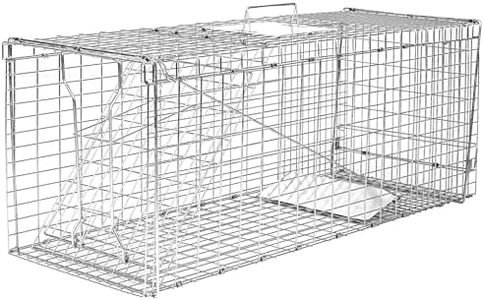
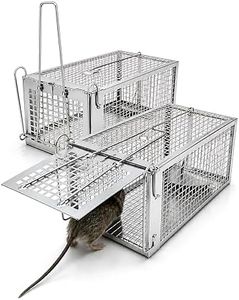
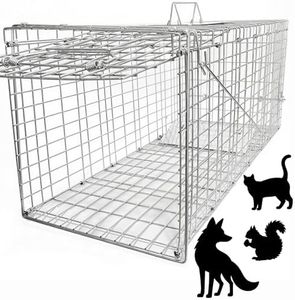
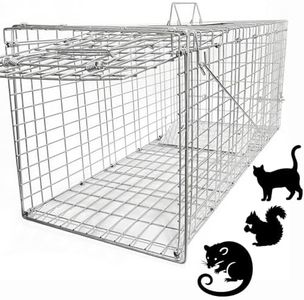
Related Products
Up to 7% off

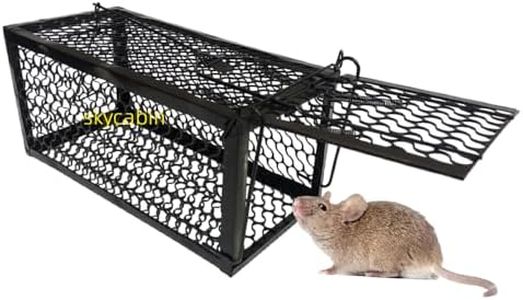
Buying Guide for the Best Animal Live Traps
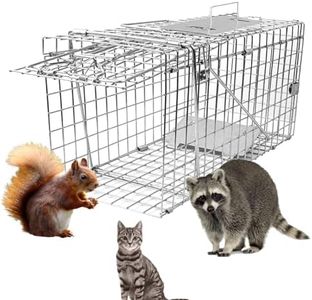
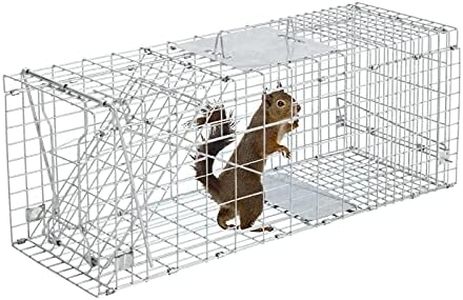
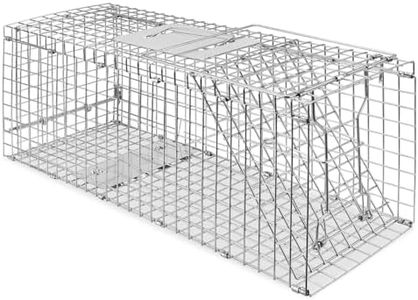
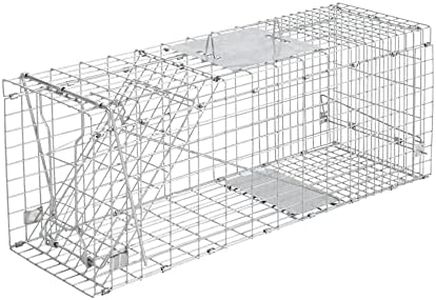
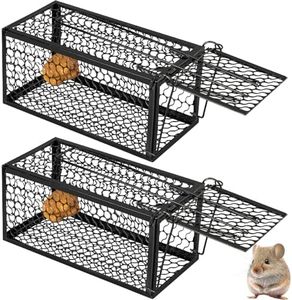
Choosing the right animal live trap is important to ensure humane capture and safe release of unwanted animals in your yard, garden, or property. Before you buy, consider the species you're targeting and the environment where you'll be using the trap. A well-selected trap minimizes stress to the animal and makes your task easier and more effective. Take your time to understand the main features so you can feel confident about your choice.Trap SizeTrap size refers to the dimensions of the cage or enclosure. It's important because it needs to be large enough for the animal you want to catch to enter fully, but not so large that smaller, unintended animals could also get trapped. You can find sizes from small (for rodents, squirrels) to medium (for rabbits, raccoons, cats), and large (for bigger animals like groundhogs or opossums). Measure or look up the average size of the animal you're targeting to select an appropriately sized trap. Picking the right size ensures effectiveness and humane treatment.
Material and DurabilityThe material and build quality of a live trap determine how long it lasts and how well it holds up to weather and animal escapes. Most traps are made from metal wire mesh or heavy-duty plastic. Metal is preferred for strength and longevity, especially in outdoor settings, while coated or rust-resistant materials are better for wet environments. Consider how often and where you'll use the trap: If outdoors or for larger animals, a stronger, weatherproof model is best. For indoor or infrequent use, lighter materials can suffice.
Trigger SensitivityTrigger sensitivity is how easily the trap’s door will shut when an animal enters. This is significant because a trap that's too sensitive might close before the target animal is fully inside, while a trap that's not sensitive enough might let the animal get the bait and escape. Many traps let you adjust sensitivity, which is helpful if you’re dealing with lightweight or cautious animals. For larger or heavier animals, less sensitivity works fine. Choose according to the behavior of the species you want to trap: more cautious species may require a more subtle mechanism.
Door MechanismThe door mechanism refers to how the trap is triggered and how securely the door closes. Some cages have single doors, while others have two (one at each end), which can make animals feel safer entering. The locking system should prevent escape or injury. For quick and safe capture, spring-loaded doors are common. Think about the animal’s size and cleverness: For smarter or stronger species, a sturdy, fail-safe door is essential.
Ease of Use and Safety FeaturesTraps should be easy to set up, bait, and release. Look for features such as easy-set levers, comfortable carrying handles, and safety shields to protect your hands during release. Traps with smooth edges prevent injury both to you and the animal. If you’re new to trapping, choose a design with clear instructions and visible triggers. This ensures both your safety and the humane handling of the animal.