10 Best Ankle Support Hiking Boot
From leading brands and best sellers available on the web.By clicking on a link to a third party's website, log data is shared with that third party.
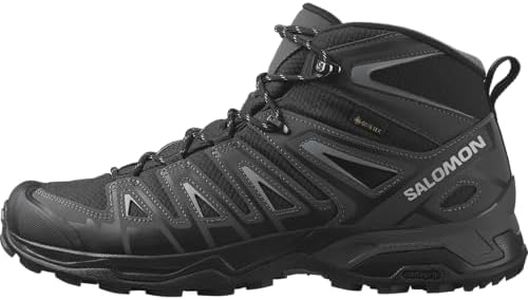

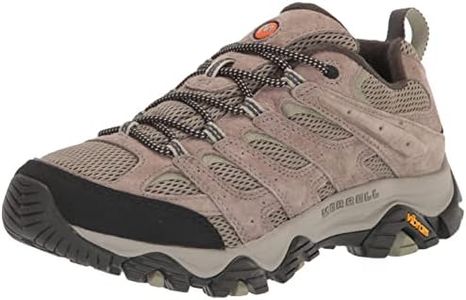
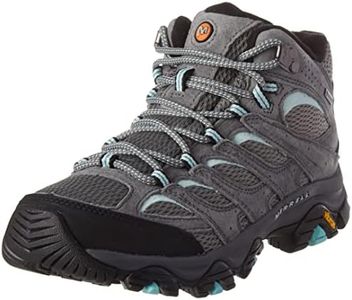
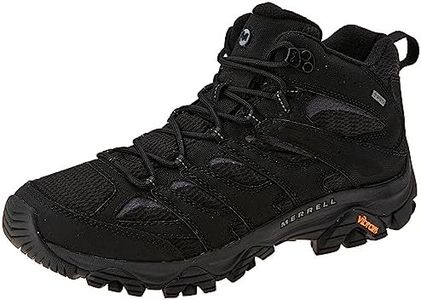
Related Products
Up to 24% off
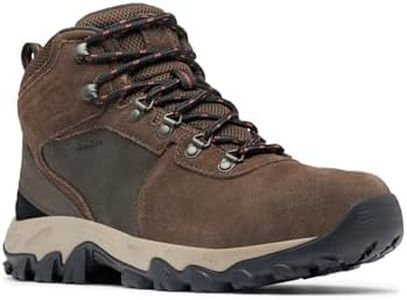
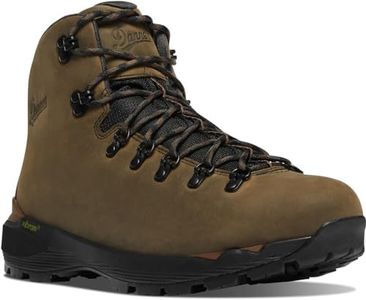


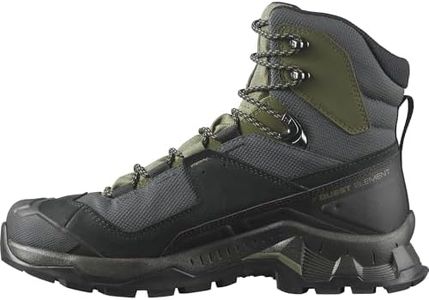

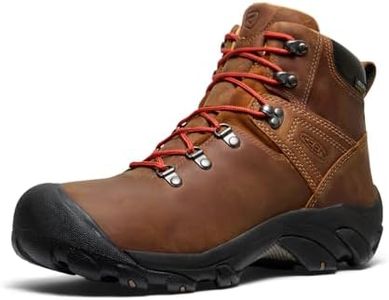

Buying Guide for the Best Ankle Support Hiking Boot
Selecting the right ankle-support hiking boot is important for anyone planning to hike on uneven or challenging terrain. Good boots not only protect your feet from rough ground and weather, but solid ankle support can help prevent injuries like twists and sprains. When choosing hiking boots, think about where you'll be using them most, your hiking experience, and what feels most comfortable for your feet. Take time to try on different options, walk around, and see how your ankles feel — the best pair is one that feels secure yet comfortable throughout your adventures.Ankle HeightAnkle height refers to how high the boot rises on your leg and is a key factor in how much support the boot provides. Low-cut boots barely cover the ankles and are generally lighter but offer little support — they're best for easy trails and light loads. Mid-cut boots cover the ankle bone, providing a balance between flexibility and support, making them a solid choice for moderate terrain. High-cut boots reach further up the leg, delivering the most ankle support, which is ideal for rugged trails and when carrying heavy backpacks. Consider the type of hiking you’ll do; choose lower cuts for comfort on easy walks and higher cuts if stability and protection are your priorities.
Support StructureSupport structure refers to the materials and design features that stabilize your ankle and foot. Stiffer boots with reinforced padding, shanks (usually made from plastic or steel), and supportive collars help prevent your ankle from rolling. More flexible boots use softer materials, which can be more comfortable but provide less support. If you have weak ankles or hike on uneven ground, look for a boot with a solid, structured collar and firm midsole. If you mostly walk on flat, predictable paths, a more flexible boot might be enough.
Fit and Lacing SystemFit and lacing system describe how well the boot secures your foot and ankle. The right fit should feel snug but not tight, especially around the ankles, as loose boots can lead to blisters or sprains. A good lacing system, including locking hooks or eyelets, allows you to adjust tension at different parts along your foot and ankle so you can fine-tune the support. If you often hike on rough terrain or carry a heavy pack, look for boots with more lacing options to increase ankle security.
Cushioning and PaddingCushioning and padding around the ankle area add comfort and can help prevent chafing. Some boots have thick, soft padding around the collar for all-day hikes, while others have thinner padding to reduce weight. If you’re prone to sore ankles or plan long treks, prioritize boots with well-padded collars. For shorter hikes, slightly less padding might suffice and feel cooler.
WeightThe weight of the boot affects both comfort and support. Heavier boots often mean more robust ankle support and protection, but they can tire you out quickly on long hikes. Lighter boots trade some ankle stability for agility and comfort. Consider your own strength, the length of your hikes, and how much extra gear you’ll carry. Choose heavier for more support and lighter for faster, less demanding trips.