10 Best Anti Gas Bottles
From leading brands and best sellers available on the web.By clicking on a link to a third party's website, log data is shared with that third party.
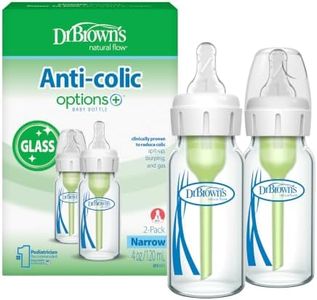
Related Products
Up to 40% off
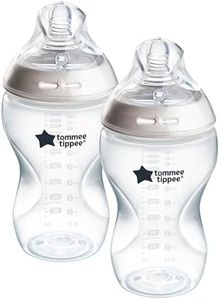

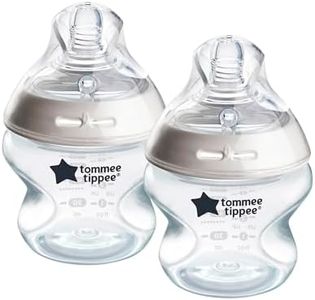
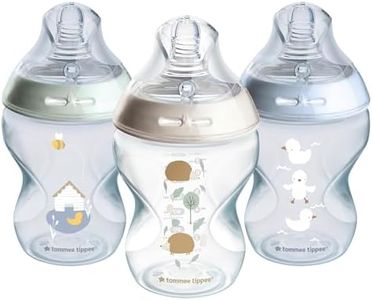


Buying Guide for the Best Anti Gas Bottles
When choosing an anti-gas bottle, which is commonly used to relieve gas or colic symptoms in infants, it's important to understand that not all bottles are made the same. The right bottle can help reduce the amount of air your baby swallows while feeding, which in turn can minimize discomfort, burping, and fussiness. It's essential to focus on how the bottle handles air flow as well as how easy it is to use and clean. Your baby's age, feeding style, and any specific sensitivities should guide your choice so feeding times are more comfortable for both of you.Vent System DesignThe vent system is a key component of anti-gas bottles, as it's designed to control or prevent the buildup of air inside the bottle during feeding. This spec is important because a good vent system allows the milk to flow smoothly and prevents your baby from ingesting excess air, helping to reduce gas, spit-up, and colic. There are different types of vent systems: some have a separate internal vent, while others use a valve integrated into the nipple or at the base of the bottle. Bottles with a dedicated internal vent tend to be best for babies who are especially sensitive or gassy, while simpler vented nipples work well for babies with milder symptoms. To pick the right style for your baby, observe their feeding: if they seem uncomfortable or gassy despite frequent burping, try a more advanced vent system.
Nipple Shape and Flow RateThe nipple shape and the rate at which milk flows through it influence both your baby's latch and the amount of air they might swallow. Soft, wide nipples often mimic breastfeeding, which can help with latching and slow, controlled feeding, while standard or slim nipples may suit babies who prefer a faster flow. Flow rate is usually marked as slow, medium, or fast. Newborns and younger babies generally do better with a slow flow to prevent gulping and excess air intake, while older babies may need a medium or fast flow as their feeding skills develop. Watch how your baby feeds: if they seem to struggle, choke, or gulp, try a slower flow rate; if they seem frustrated or suck air because the milk isn't coming fast enough, move to a faster flow.
Ease of CleaningEase of cleaning is important because a bottle with many small parts can be tough to keep hygienic, especially since anti-gas models often have extra vents or inserts. More parts can mean greater potential for mildew or residue if not cleaned thoroughly. Some bottles are designed for easy assembly and cleaning, with fewer parts or parts that are dishwasher safe. If you know that you’ll be cleaning bottles often or don’t want to spend a lot of time on this chore, look for designs that are straightforward and easy to take apart.
MaterialThe material of the bottle (typically plastic, glass, or silicone) matters for safety, durability, and ease of use. Plastic bottles are lightweight and usually less breakable, while glass is easier to sterilize and doesn’t retain odors but is heavier and can break. Silicone bottles offer a flexible, soft feel but may be harder to find. All materials should be BPA-free. Consider where and how you’ll use the bottle: for frequent travel or outings, lightweight plastics might be handiest, but for at-home feeding, glass could be preferable if you’re concerned about cleanliness or longevity.
Bottle SizeBottle size is directly related to your baby's age and appetite. Smaller bottles (about 4-5 ounces) are ideal for newborns or for shorter feeds, while larger bottles (8-9 ounces or more) are often necessary as your baby grows and consumes more at each feeding. Picking the right size avoids waste and unnecessary refilling. Start small for a newborn and move up as needed based on your baby's feeding habits.