10 Best Anti Theft Bike Locks
From leading brands and best sellers available on the web.By clicking on a link to a third party's website, log data is shared with that third party.
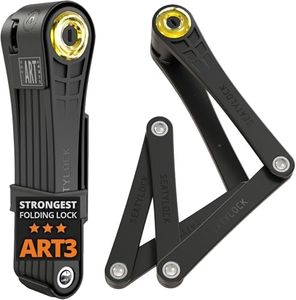
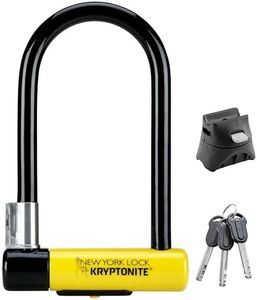
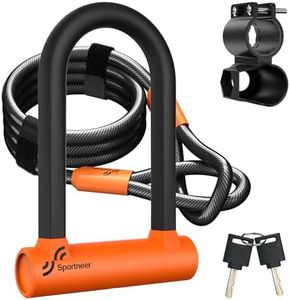
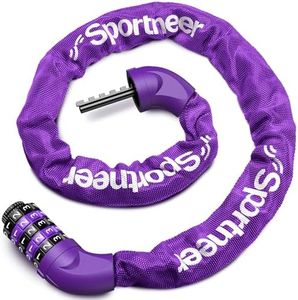
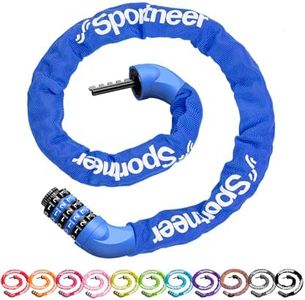
Related Products
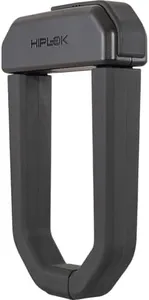

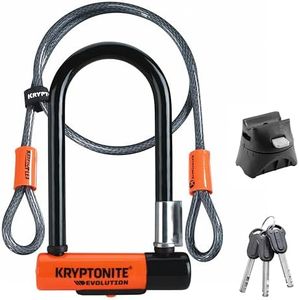
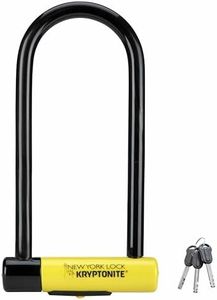

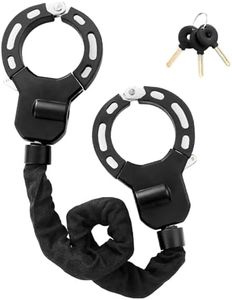
Buying Guide for the Best Anti Theft Bike Locks
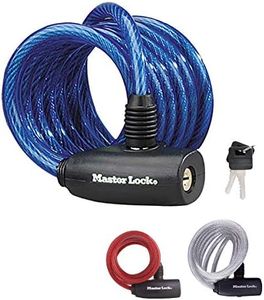
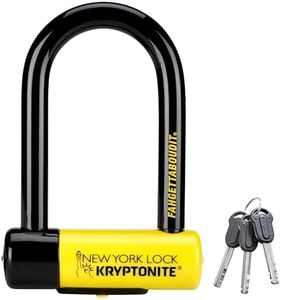
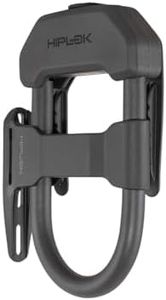
When looking for the right anti-theft bike lock, it's important to remember that no lock is totally unbreakable, but a good lock can greatly deter thieves and buy precious time. The best lock for you depends on how and where you use your bike. Consider how often you leave your bike unattended, the crime rate in your area, and how portable you need the lock to be. Understanding the main lock features and their trade-offs is key to making a good choice for your individual needs.Lock TypeThere are several main types of bike locks: U-locks (also called D-locks), chain locks, folding locks, and cable locks. U-locks are generally the most secure for their weight, making them ideal for city commuters. Chain locks offer flexibility and can lock your bike to larger objects but are often heavier. Folding locks balance between security and portability, offering moderate protection and easy carrying. Cable locks are lightweight and flexible but offer the least security. Consider where you'll park your bike and how portable the lock needs to be.
Material QualityThe material of the lock, typically hardened steel or similar alloys, determines its resistance to cutting and leverage attacks. Higher quality materials usually offer better protection but may add weight. If you frequently leave your bike in high-risk areas, a lock made from hardened steel provides more reassurance, while lower-risk areas might allow you to prioritize lighter materials for easier carrying.
Security RatingMany locks have been assessed by independent organizations for their security levels. These ratings (such as Sold Secure Bronze, Silver, or Gold) indicate how well the lock withstands attempts like sawing, cutting, or picking. Gold-rated locks offer tougher security and are suited to environments where bike theft is common, whereas Bronze or unrated locks are more suitable for low-risk situations or temporary stops.
Size and Shackle DiameterThe size of the lock, especially the internal space and the thickness of the shackle or chain, affects both usability and security. Larger locks fit around more objects but might be more cumbersome, and thicker shackles are harder to cut. Choose a size that fits your regular locking spots (like bike racks or posts) and thick enough to be a strong deterrent, but not so bulky that it makes it difficult to transport or use.
Locking MechanismBike locks generally use either key-operated or combination mechanisms. Keyed locks are harder to tamper with if the mechanism is high quality, while combination locks are convenient and mean you don't have to worry about losing a key. Consider your ability to keep track of keys, and how easily you could reset a forgotten combination.
PortabilitySince you'll need to carry your lock with you, portability matters. Heavier or bulkier locks might provide better security but can be inconvenient on long rides or if your bike has limited carrying options. Consider how you'll transport the lock—can it attach to your frame, fit in your bag, or be worn around your waist—and balance this with your security needs.
Weather ResistanceExposure to rain, sun, and dust can cause locks to rust, freeze, or jam over time. Look for locks that are weather-sealed or use corrosion-resistant materials, especially if your bike will be outdoors regularly. This ensures your lock remains reliable over the long term and doesn't get stuck when you need it.