10 Best Aquarium Pump For Sump
From leading brands and best sellers available on the web.By clicking on a link to a third party's website, log data is shared with that third party.

Related Products
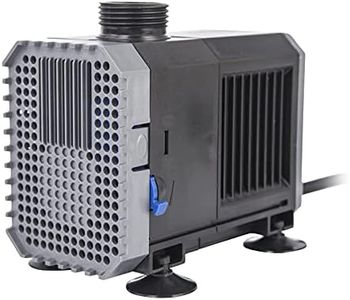
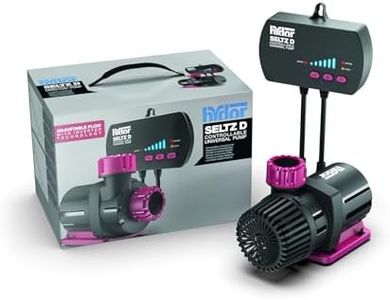
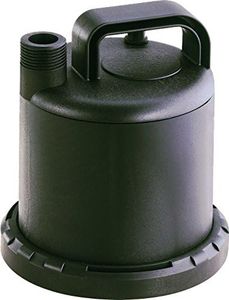
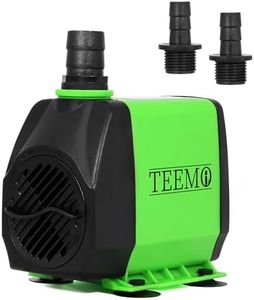
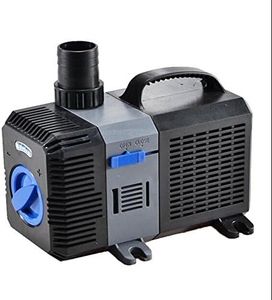
Buying Guide for the Best Aquarium Pump For Sump
Choosing the right aquarium pump for your sump is crucial as it directly impacts the health of your aquatic environment. The pump is responsible for circulating water between your display tank and the sump, ensuring proper filtration, oxygenation, and nutrient distribution. Understanding your tank’s needs and the pump’s capabilities will help you maintain clear, healthy water and thriving aquatic life. The best pump is not always the most powerful—it's the one that matches your setup and inhabitants’ requirements.Flow Rate (GPH or LPH)Flow rate, usually measured in gallons per hour (GPH) or liters per hour (LPH), tells you how much water the pump moves. This is a critical spec because it determines how quickly your system cycles water through the sump and filtration, which in turn affects water quality and oxygen levels. Smaller tanks may need flow rates around 200-500 GPH, while larger systems could require 1000 GPH or more. When picking, consider your display tank size—most setups benefit from turning over all the tank’s water 5-10 times per hour, so multiply your display tank’s volume by that rate to find an ideal pump output for your needs.
Head Height (Maximum Head Pressure)Head height, or maximum head pressure, is how high the pump can move water against gravity before the flow stops. This matters because aquarium water usually has to be pumped from the sump (usually below the display tank) back upward, and any plumbing adds resistance. Pumps have lower flow rates at higher head heights, so it's important to know how high and far your pump needs to move water. To pick the right value, measure the distance from your sump’s water surface to the point where water enters the tank, including any bends or vertical runs in piping, and choose a pump that can still provide your desired flow rate at that height.
Pump Type (Submersible vs. External)Aquarium pumps generally come as submersible (designed to operate underwater) or external (sits outside the sump and connects via plumbing). Submersible pumps are easy to set up and generally quieter but can add heat to the water. External pumps usually handle larger setups, offer better cooling, and are easier to maintain but may be noisier and take up more space. If you have space inside your sump and want a quiet, simple setup for a moderate-sized tank, submersible is likely best. For larger systems or if heat and easy access are concerns, consider external pumps.
Noise LevelNoise level describes how much sound a pump produces while running. This is important for home or office aquariums where excessive noise can be distracting or annoying. Manufacturers may mention if a pump is 'quiet,' but you can also check reviews or ask for recommendations. Submersible pumps are typically quieter than external ones due to the water dampening the noise. If your aquarium is in a living area or a bedroom, prioritize silence when making your choice.
Energy EfficiencyEnergy efficiency is about how much power (watts) the pump uses to move water. Efficient pumps save electricity, reducing long-term costs and environmental impact. Pump labels will show their wattage; generally, the lower the wattage for the same flow rate, the better. If your pump will run continuously (as sump pumps usually do), paying attention to energy usage makes sense, especially for larger tanks. Pick a pump that offers the flow you need without using excess energy.
Durability and MaintenanceDurability is how well the pump is built to withstand constant use in a wet, often salty environment. Easy maintenance means cleaning and checking the pump doesn't require special tools or lots of effort. A reliable, easy-to-maintain pump keeps your system running smoothly and reduces hassle. Check if the pump is advertised as 'saltwater safe' if you have a marine tank, and consider how easy it is to disassemble and clean—these will extend the pump’s life and your aquarium’s stability.