10 Best Aquarium Substrate
From leading brands and best sellers available on the web.By clicking on a link to a third party's website, log data is shared with that third party.
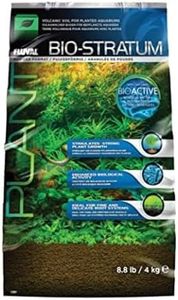
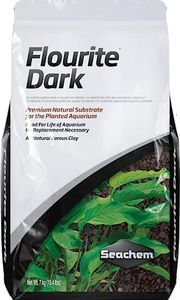
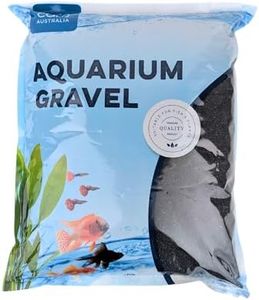
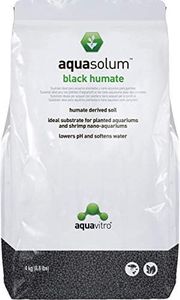
Related Products
Up to 10% off
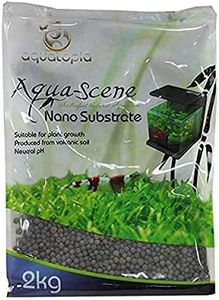
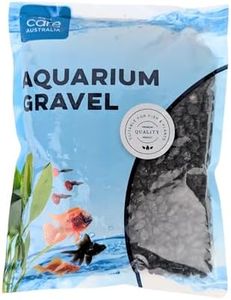
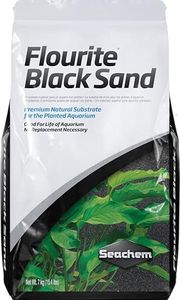

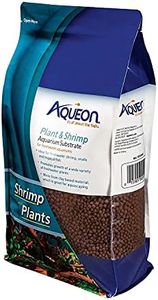
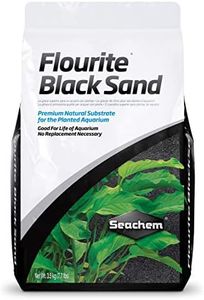
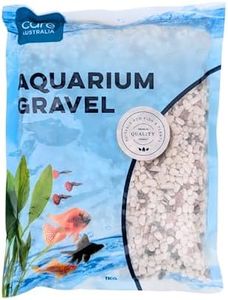
Buying Guide for the Best Aquarium Substrate
Choosing the right aquarium substrate is important for both the health of your aquatic life and the overall appearance of your tank. Substrate is more than just decoration; it provides a base for plants to root, supports beneficial bacteria, and can influence water chemistry. When picking a substrate, think about the types of fish and plants you plan to keep, as well as the look you want to achieve. Understanding a few key factors will help you make the best choice for your setup.Type of SubstrateThe type of substrate refers to the material used on the bottom of the aquarium, with common options including gravel, sand, and specialized plant substrates. Gravel is a versatile choice, easy to clean and suitable for most freshwater setups. Sand gives a natural look and works well for fish that like to dig, but can compact and restrict water flow. Plant substrates are designed to supply nutrients for rooted aquatic plants. Your ideal pick depends on the species you want to keep—diggers and bottom dwellers prefer softer substrates, while planted tanks benefit from nutrient-rich options.
Grain SizeGrain size is about how large or small each piece of the substrate is. Fine grains (like sand) create a smooth surface and are gentle on delicate species, but may compact and make cleaning tricky. Coarse grains (like large gravel) allow better water flow and cleaning but may trap more uneaten food and waste, which can impact water quality. Consider what your fish need and how you plan to clean—the best grain size matches your fish's behavior and your maintenance routine.
ColorThe color of aquarium substrate affects the tank's appearance and sometimes fish behavior. Light-colored substrates can make fish colors pop, but might show dirt more easily, while darker substrates may create a more natural environment and help shy fish feel secure. Your choice should reflect your aesthetic preference and the comfort of your aquatic pets.
Nutrient ContentNutrient content matters if you plan to grow live plants in your aquarium. Some substrates are specially formulated with nutrients that plants need to grow, while others like basic gravel or sand do not provide any nutrients. If your focus is a planted tank, choose a nutrient-rich substrate or plan on adding root tabs. If you’re not keeping live plants, nutrient content is less important.
pH InfluenceSome substrates can alter the water chemistry, particularly pH levels. Certain types, like crushed coral, raise pH, which is suitable for some fish, while others are inert and don’t affect water chemistry. Picking a substrate that matches your fish's preferred water parameters is important—always check if the substrate will influence your tank’s pH before making a decision.
Depth NeededSubstrate depth affects the ability for plants to root and for fish to display natural behaviors. Generally, planted tanks need a deeper substrate (about 2-3 inches) for stable plant roots, while tanks without plants can use a thinner layer. Consider what your aquarium inhabitants need—deeper for plants or burrowing fish, shallower if ease of cleaning is your main concern.