10 Best Articulating Borescopes
From leading brands and best sellers available on the web.By clicking on a link to a third party's website, log data is shared with that third party.
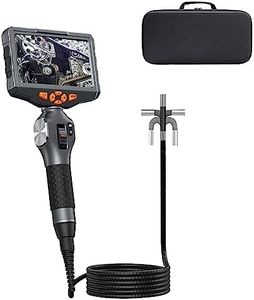
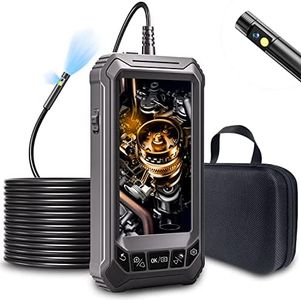
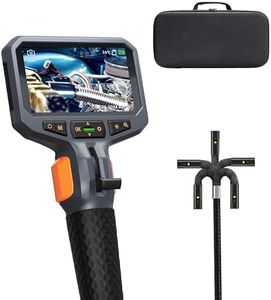
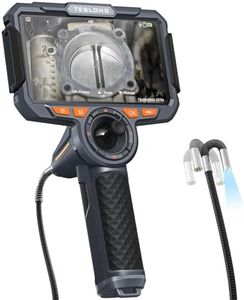
Related Products
Up to 9% off
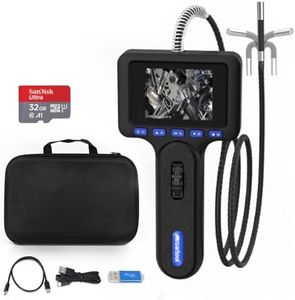
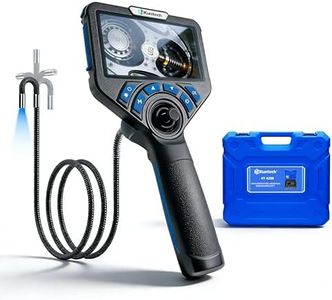
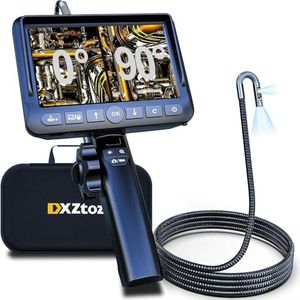
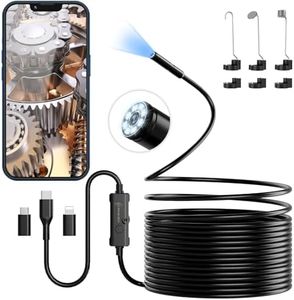
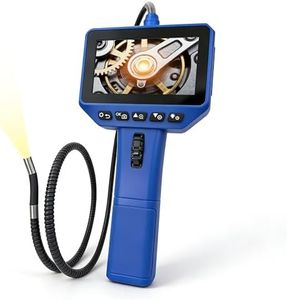
![Two-Way Endoscope Camera with Light [360°Rotation],1920P HD,Borescope for iPhone IP67 Waterproof Automotive Engine Plumbing HVAC Inspection 6.2 mm Lens Industrial](https://images-proxy.bestreviews.guide/3SzZBQvltou6ivi7SmJjYBuuKTI=/0x300/https://m.media-amazon.com/images/I/410fXyvwvxL._AC_CX679_.jpg)
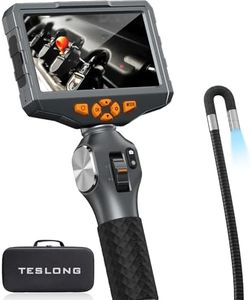
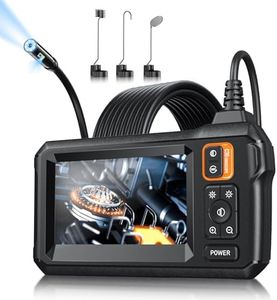
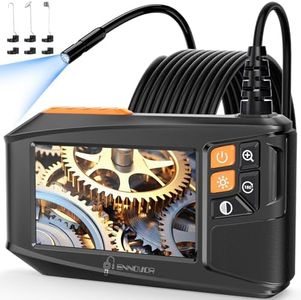
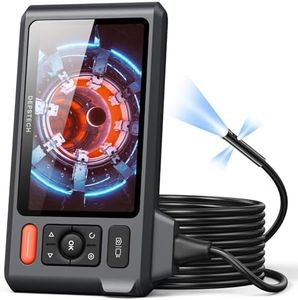
Recommended lists

Top rated
Borescopes
Buying Guide for the Best Articulating Borescopes
Choosing the right articulating borescope can make a big difference in how effectively and easily you inspect hard-to-reach places, like inside engines, pipes, or machinery. Start by thinking carefully about where and how you’ll be using the tool—will you need high maneuverability, image quality, or long reach? Understanding your main inspection needs will help you decide which features matter most for you. Always compare several options and focus on the specs that impact usability and effectiveness in your tasks.Articulation RangeArticulation range refers to how far the tip of the borescope can bend in different directions, typically described in degrees. This is crucial because a wider articulation allows you to look around corners and inspect areas that would otherwise be hidden. You'll often find three main segments: 90°, 180°, and up to 360° articulation. Smaller articulation may be enough for simple, straight inspections, but for thorough checks in confined or complex spaces, higher articulation offers more flexibility. Pick a range that matches the complexity of the spaces you need to examine – tight, twisty environments benefit from larger articulation.
Probe DiameterProbe diameter is the thickness of the camera tube, and it determines where you can insert your borescope. Thinner probes (around 4mm or less) are needed for very narrow spaces, but they may be less durable. Medium diameters (5-8mm) work for most common inspections, while thicker probes are sturdier but fit in fewer spaces. Think about the smallest opening you'll need to access and choose a diameter that fits comfortably, allowing for any bends or obstructions.
Probe LengthProbe length is simply how long the borescope's insertable cable is. Longer probes (beyond 1 meter) reach deeper into large or complex objects, while shorter ones (under 1 meter) are easier to control and may be less prone to bending or kinking. Assess the depth of the areas you plan to inspect and choose a length that ensures you can reach the critical spots without struggling with excess cable.
Camera ResolutionCamera resolution determines how clear and detailed your images or videos are. Higher resolution (like 1080p or above) provides sharper visuals, making it easier to spot small defects or details, while lower resolution may be enough for basic identification of blockages or larger problems. If your work relies on detailed visual inspection, choose higher resolution. For general surveys or if your workspace is very dirty or oily, lower resolution may suffice.
LightingLighting refers to the built-in LEDs at the tip that illuminate dark spaces for inspection. Brighter, adjustable lighting is important for seeing clear images in confined or shadowed environments. Borescopes commonly come with adjustable brightness levels; if you often inspect areas with varied lighting, this helps prevent glare or dark spots. Pick a borescope with good, controllable lighting suited to the darkness and reflectivity of your typical inspection environment.
Display and Recording OptionsDisplay options cover how you view images—some borescopes have built-in screens, while others connect to external devices or smartphones. Built-in screens offer convenience and instant viewing, while connecting to a larger device may provide a bigger, clearer picture or easier recording. Recording functions let you save photos or videos for later review or documentation. Choose display and recording options that fit your workflow—if you need to share images or analyze later, make sure these features are easy to use.
Durability and WaterproofingDurability and waterproofing refer to how well the borescope handles tough environments, such as wet, dusty, or oily conditions. A rugged, waterproof probe is essential if you'll be inspecting engines, drains, or other places where exposure to liquids or rough handling is likely. Look for models rated for at least basic water resistance if you'll work in messy spaces—this will protect your tool and ensure it lasts through regular use.