10 Best Artist Mechanical Pencils
From leading brands and best sellers available on the web.By clicking on a link to a third party's website, log data is shared with that third party.
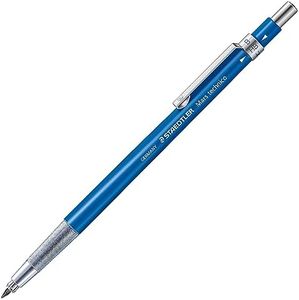
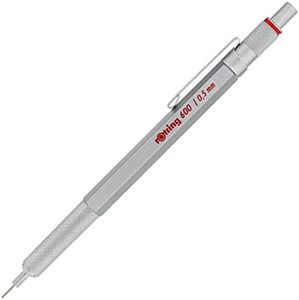
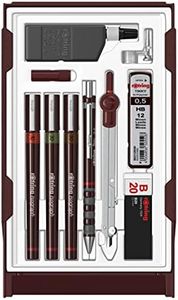
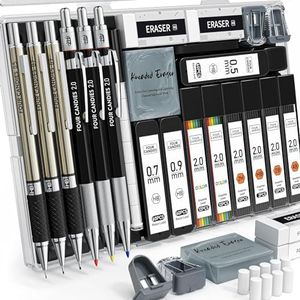
Related Products
Up to 18% off
Recommended lists

Top rated
Mechanical Pencils
Buying Guide for the Best Artist Mechanical Pencils
Choosing the right mechanical pencil is an important step for any artist, as it can significantly impact your drawing experience, precision, and comfort. Before making a decision, think about what type of artwork you do most frequently—sketching, technical drawing, or fine detail work. The best mechanical pencil for you should feel comfortable in your hand for long periods, provide the right level of lead control, and help you achieve your desired level of detail. Understanding the various features and how they match your needs is key to making the best choice.Lead SizeLead size refers to the diameter of the pencil lead, usually measured in millimeters (mm). This spec is crucial because it determines how fine or bold your lines will be. Standard lead sizes include 0.3mm, 0.5mm, 0.7mm, and 0.9mm. Thinner leads like 0.3mm are ideal for intricate details and fine lines but break more easily, while thicker leads such as 0.9mm make bolder, more robust lines and are less prone to snapping, making them great for shading or rough sketches. Choose a lead size based on your primary style: opt for thin leads if your work is highly detailed and thicker ones if you do broader strokes or sharper shading.
Lead HardnessLead hardness describes how light or dark and how soft or hard the pencil mark will be. It's rated using values like H (harder, lighter marks), HB (medium, balanced darkness and strength), and B (softer, darker marks). Artists often prefer softer leads like 2B or B for rich, dark lines and smooth shading, while H or F leads are better for light, technical lines that remain cleaner on the paper. Consider your drawing technique: if you need to erase and redraw often, a harder lead may be preferable, but for expressive, dark marks, go for a softer one.
Grip ComfortGrip comfort is about how the pencil feels in your hand when you're drawing for prolonged periods. Mechanical pencils come with various grips: some are cushioned or rubberized, some are knurled metal, and others may have minimal or no grip. A softer, ergonomic grip will help prevent hand fatigue during long sketching sessions, which is important if you draw a lot. If you like more precision with less bulk, a pencil with a slim or lightly textured grip may suit you best. Pay attention to your typical drawing habits and if you tend to tire easily, or if you like a certain tactile feel, pick a grip that matches your style.
Lead Advancement MechanismThe lead advancement mechanism is how the pencil pushes out more lead, and it affects the flow and convenience of your drawing process. Common types include button-press (top or side), shaker mechanism (shake to advance), and auto-advance features. Button-press is the traditional and reliable choice, offering controlled advancement, while shaker and auto-advance can streamline drawing by reducing pauses. Think about whether you want to focus uninterrupted or prefer manual control over your lead—if you dislike being distracted by re-clicking, alternative mechanisms may work better for you.
Barrel Material and WeightThe barrel material and weight influence how the pencil feels and handles. Barrels can be made from plastic, metal, or a combination. Metal barrels feel heavier and are often sturdier, giving a sense of stability and momentum that some artists prefer. Lighter plastic barrels reduce hand fatigue during long sessions and are generally less tiring if you sketch for hours. Your choice should depend on your comfort preference: if you like a solid, premium feel, try a heavier pencil, but if you favor quick, light strokes, go for a lighter barrel.
Eraser QualityMechanical pencils often include a small eraser under the cap. The eraser's quality is important for touch-up corrections directly while you draw. Some erasers are large and soft, making erasing easy and clean, while others may be small and wear down quickly. If you rely on an onboard eraser for frequent corrections, opt for a pencil with a larger, replaceable eraser, but if you mostly use separate erasers, this spec may matter less for you.
Refill CompatibilityRefill compatibility is about whether the pencil works with standard lead sizes and if you can easily find replacements for both lead and erasers. It's important because you don’t want to be restricted to rare or expensive refills. Most mechanical pencils use common sizes, but always check if both leads and erasers are easy to find for the model you're considering. If you live in an area with limited options or dislike hunting for supplies, ensure your choice takes standard, easily available refills.