10 Best Assisted Pull Up Bands
From leading brands and best sellers available on the web.By clicking on a link to a third party's website, log data is shared with that third party.
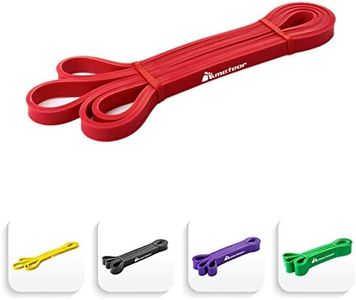
Related Products

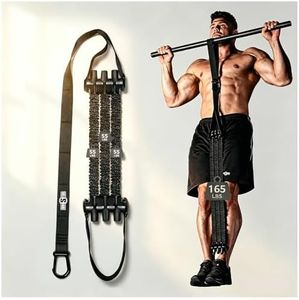
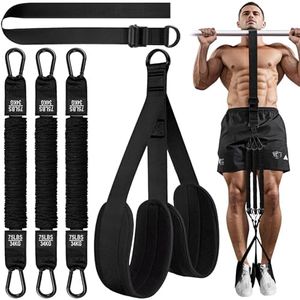
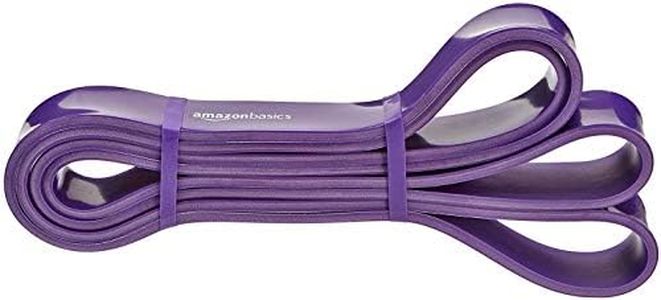

Recommended lists

Top rated
Pull Up Bars
Buying Guide for the Best Assisted Pull Up Bands
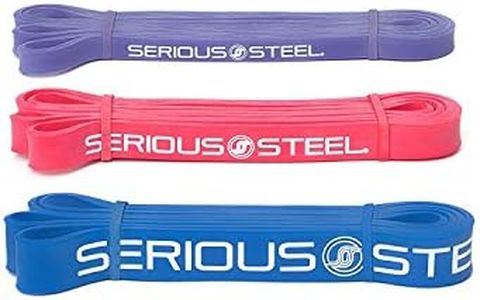
Assisted pull-up bands are a great way to build strength, support your workouts, and gradually progress to unassisted pull-ups. These bands provide assistance by counteracting a portion of your body weight, making pull-ups more accessible for beginners and adding versatility to advanced workouts. Choosing the best bands means considering your current fitness level, workout goals, and comfort, so it’s important to look at a few key characteristics before buying.Resistance LevelResistance level refers to how much support or assistance the band provides during your pull-up. Bands usually come in a range of resistance measured in pounds or kilograms, with lighter bands giving minimal assistance and thicker, heavier bands providing more assistance. Lower resistance (10-35 pounds) is best for those close to doing a full pull-up on their own or for adding a little help in more advanced moves. Medium resistance (35-70 pounds) works well for those who still need noticeable support, while high resistance (70 pounds and above) is ideal for beginners or those who want maximum assistance. To choose, think honestly about your current strength and select a level that allows you to perform multiple reps with good form but still challenges you. Many people benefit from a set of bands as strength improves over time.
Band WidthThe width of the band typically matches its resistance—the wider the band, the more assistance it provides. Thin bands are suitable if you only need a little help or want to use them for stretching and mobility exercises too. Wider bands are helpful for beginners or heavier individuals needing more support. Select a width that feels comfortable in your grip and matches the assistance you’re looking for; don’t pick the thinnest band if you’re not yet able to complete pull-ups with decent form.
Material QualityMost pull-up bands are made of layered natural latex, which is stretchy, durable, and offers consistent resistance. Quality matters because cheap materials can snap, lose elasticity, or cause discomfort. Good bands should feel solid and return to their original shape after each stretch. Inspect user reviews or verify that the band comes from a reputable brand and looks well-constructed, especially if you plan to use it frequently.
LengthStandard pull-up bands are usually around 41 inches in length when laid flat. This length is well-suited for most pull-up bars and body types, letting you comfortably use the band for assisted pull-ups and other exercises. A significantly shorter or longer band may not offer proper tension or could make setup awkward. Choose a band with the typical standard length unless you have specific equipment or unique needs.
VersatilitySome bands are designed specifically for pull-ups, while others are multi-purpose and can be used for stretching, resistance training, or rehabilitation exercises. If you want to do more than pull-ups, look for a set or band that’s labeled as versatile or suitable for various exercises. If pull-ups are your only goal, a dedicated pull-up band works perfectly well.
Portability & StorageAssisted pull-up bands are lightweight and easy to pack, but thickness can affect how compact they are. If you travel or go to the gym, look for bands that roll up tightly and come with a pouch or case. This way, it’s easy to take your workout anywhere.