10 Best Astrophotography Tripod
From leading brands and best sellers available on the web.By clicking on a link to a third party's website, log data is shared with that third party.
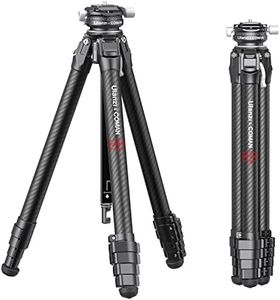
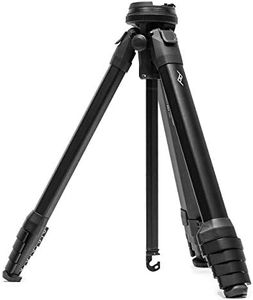
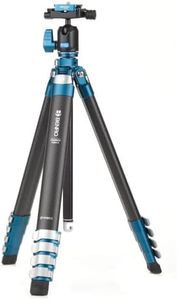
Related Products
Up to 28% off
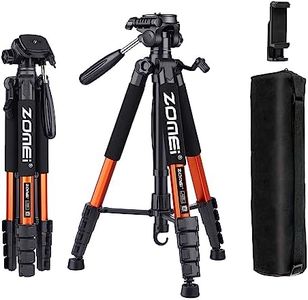
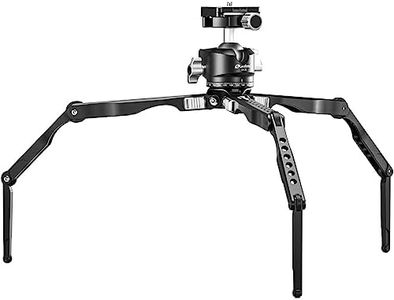
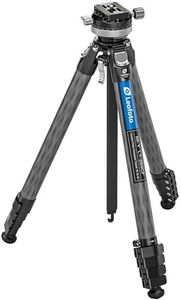
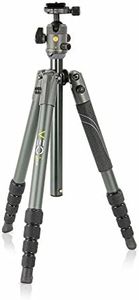

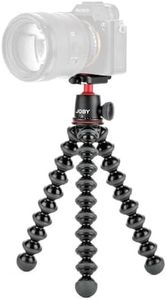
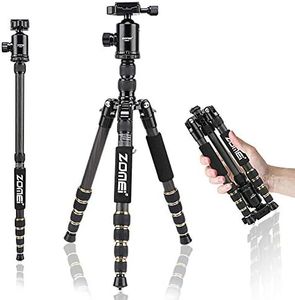
Recommended lists

Top rated
Astrophotography Cameras
Buying Guide for the Best Astrophotography Tripod
When choosing a tripod for astrophotography, it's important to remember that your camera setup needs to be extremely stable, especially for long exposures at night. A tripod should firmly hold your camera and lens without wobbling, even in windy conditions, and be comfortable for you to use. Considering your shooting locations, the weight of your gear, and your frequency of travel will help you make an informed choice.Load CapacityLoad capacity refers to the maximum weight the tripod can safely support. This spec is crucial because your tripod must be able to hold your camera, heavy lenses, and sometimes extra accessories without risk of tipping or sagging. Manufacturers rate load capacity in kilograms or pounds. For lightweight mirrorless cameras and lenses, a lower load capacity is sufficient. If you use a large DSLR or multiple attachments, consider a higher capacity. It's wise to pick a tripod with a load capacity at least 1.5 to 2 times the actual weight of your combined gear, ensuring stability and safety.
Height (Maximum and Minimum)Height describes both how tall the tripod extends and how low it can go. Maximum height matters for comfortable viewing and composition, especially if you don't want to stoop. Minimum height is important for low-angle shots, which can be creative in astrophotography. Think about your typical shooting stance: if you often stand, select a tripod whose extended height matches your eye level. For low-angle or ground-level astro shots, check that the minimum height suits your needs.
WeightWeight refers to how heavy the tripod itself is. This matters most if you'll carry your tripod to remote locations or hike a lot. Lightweight tripods are easier to transport but may be less stable in wind. Heavier tripods offer stability but can be a burden over long distances. Decide what's more important for you—ease of carrying or maximum sturdiness—and choose a tripod weight accordingly.
MaterialTripods are commonly made of aluminum or carbon fiber. Aluminum tripods are usually heavier and less expensive, but very durable. Carbon fiber models are lighter and resist vibrations better, making them excellent for long exposures, but they are more costly. If you value portability and vibration dampening, carbon fiber may be the way to go; if ruggedness and budget are more important, aluminum is suitable.
Leg Lock TypeTripod legs commonly use either twist locks or flip locks to extend and secure each section. Twist locks are quieter and often sleeker, while flip locks are quick to open and close, even with gloves. If you shoot in cold environments or value quick setup, flip locks can be helpful. If you prefer more compactness and quieter adjustments, look for twist locks. Try them in person if possible to see which feels more natural to use.
Stability FeaturesSome tripods offer additional stability features like a center column hook (to hang weight for extra steadiness), spiked feet (for outdoor grip), or adjustable leg angles. These features become crucial when shooting on uneven terrain or in windy conditions, common in astrophotography. If you often shoot outdoors and worry about stability, look for tripods offering these helpful extras.
Portability and Folded SizePortability is about how compact the tripod becomes when folded for transport. If you plan on backpacking or traveling with your tripod, check its folded length and how easily it fits into your bag. Smaller folded sizes are easier to carry but may come with trade-offs in maximum height or sturdiness, so find a balance that works for your shooting style and travel habits.
Tripod Head CompatibilityNot all tripods come with a head—in astrophotography, you may want a sturdy, smooth-operating ball head or a geared head for precise movements. Some tripods include a built-in head, while others require you to purchase one separately. Make sure the tripod can accept the type of head you prefer, and that the head's load capacity matches your gear. Picking the right head is as important as choosing the legs, because it directly affects your ability to frame and lock in stars.