10 Best Auto Body Fillers
From leading brands and best sellers available on the web.By clicking on a link to a third party's website, log data is shared with that third party.


Related Products
Up to 6% off
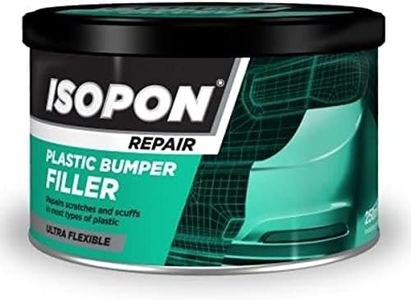
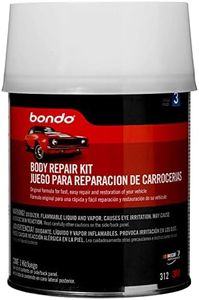
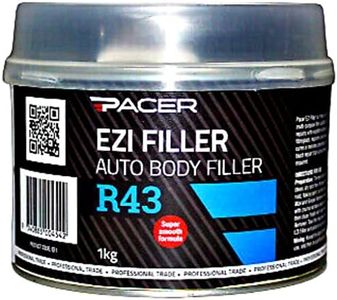
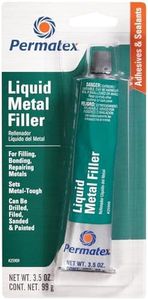
Buying Guide for the Best Auto Body Fillers
Choosing the right auto body filler is important for successful car repairs, whether you’re fixing dents, dings, or smoothing out surfaces before refinishing. Understanding the key factors helps you get a durable, smooth, and easy-to-work-with result that matches both your skill level and project requirements. Take time to assess the extent of your repair, the material you're working on (steel, aluminum, plastic, fiberglass), and your experience level to choose the right filler for your needs.Cure TimeCure time refers to the amount of time it takes for the filler to harden and become ready for sanding or painting. Faster cure times are helpful for quick repairs or working in environments where time is important, but they may be harder for beginners who need more working time. Slower cure times allow more time to work and shape the filler, reducing stress if you’re less experienced, but will extend the overall repair process. Consider how quickly you need the repair done and whether you need more working time to smooth out the filler.
SandabilitySandability is how easy the filler is to sand smooth after it cures. Fillers that are easier to sand are great for beginners or those doing large repairs, as they make shaping less tiring and prevent damage to surrounding material. Harder fillers may require more effort or power tools, but can offer higher durability for areas exposed to more impact. Choose a filler that matches your equipment and patience level—for most small to medium repairs, something that sands easily by hand is a good choice.
AdhesionAdhesion is how well the filler sticks to the surface it’s applied to, like metal, fiberglass, or plastic. Good adhesion ensures long-lasting repairs that won’t crack or peel over time. Some fillers are universal, while others are designed specifically for certain materials. Picking a filler that matches the surface type is crucial. Always check the product’s compatibility with your car’s surface before buying.
Strength and FlexibilityThis refers to how well the dried filler resists cracking or breaking under stress or impacts. Higher strength fillers are better for structural repairs or areas that might experience a lot of vibration or movement. More flexible fillers are ideal for bumpers and panels that flex, preventing cracks. Think about where the repair is located—if it’s on a rigid panel, strength matters more; if it’s on a plastic bumper, flexibility is crucial.
Ease of Mixing and ApplicationSome fillers mix and spread more easily than others. Lightweight fillers are generally easier to mix and apply, which is helpful for beginners or for covering larger areas. Heavier fillers might be more difficult to spread evenly but can be necessary for deep dents or repairs that need extra bulk. Consider your experience level and the size of the repair—if you’re new to this, an easy-mixing filler will make the job much less frustrating.
Pinhole ResistancePinhole resistance measures how well the filler avoids forming small holes or bubbles that can show up after sanding. More pinhole-prone fillers require extra work to achieve a smooth finish. If you want to reduce the time spent on touch-ups and achieve a perfect finish quickly, look for a filler with high pinhole resistance—especially important if you plan to paint the repair yourself.