10 Best Automotive Paint Sprayers
From leading brands and best sellers available on the web.By clicking on a link to a third party's website, log data is shared with that third party.

Related Products


Buying Guide for the Best Automotive Paint Sprayers
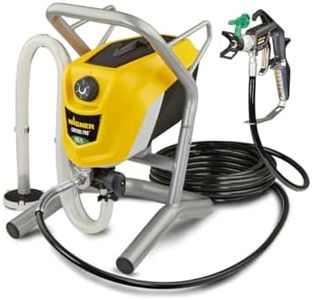
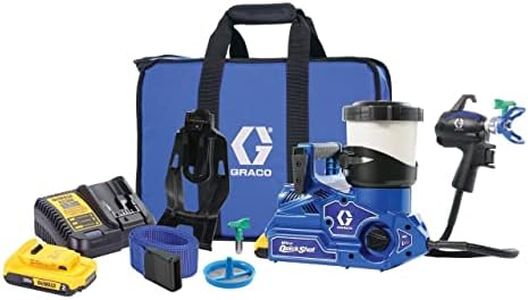
Choosing the right automotive paint sprayer can make a big difference in the quality and efficiency of your paint job. Whether you're working on a full vehicle restoration or small touch-ups, understanding the key specifications of paint sprayers will help ensure you get a tool that suits your needs and skills. The best approach is to consider how you'll use the sprayer, what kind of paints you'll be applying, and where you'll be working, as these factors will help guide your choice.Type of SprayerAutomotive paint sprayers generally come in three main types: airless, HVLP (High Volume Low Pressure), and conventional compressed air sprayers. Airless sprayers are fast and cover large areas quickly, making them ideal for big jobs but may lack fine control. HVLP sprayers offer more precision and less overspray, producing smooth finishes favored by many car enthusiasts. Conventional sprayers use more air pressure, can be used for fine finishes, but tend to create more overspray. Choosing the right type depends on whether you value speed, finish quality, or a balance of both, as well as your experience level.
Nozzle SizeThe nozzle size refers to the diameter of the opening where paint is released, and is crucial because it determines the kind of paint you can use and the texture of the finish. Smaller nozzles are best for thin paints and fine details, while larger nozzles are suited for thicker paints and high-build primers. If you're mainly doing detailed work or using thin coatings, go for a smaller nozzle; if you're covering large surfaces or using thicker materials, a larger nozzle is better.
Paint Flow ControlPaint flow control lets you adjust the amount of paint being released. This feature is important because it helps you manage the thickness and consistency of your paint layer, reducing runs and uneven coverage. Most sprayers have adjustable knobs or dials for this. If you're new to spraying or working on projects that require varied coverage, look for a sprayer with easy and precise paint flow adjustments so you can tailor the spray to each task.
Air PressureAir pressure, measured in PSI (pounds per square inch), determines how much force pushes the paint out of the sprayer. Higher pressure can provide faster coverage but may cause more overspray and wasted paint. Lower pressure is better for detail work and reduces overspray, helping conserve paint and produce a smoother finish. If your projects involve detailed designs or you want to minimize cleanup, opt for a sprayer with adjustable air pressure to match your task.
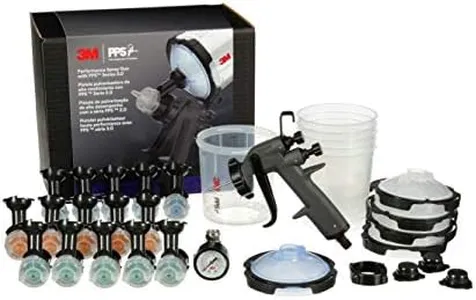
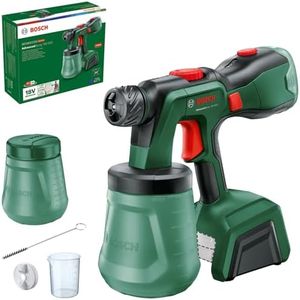
Cup CapacityCup capacity indicates how much paint the sprayer can hold at once. Larger cups are convenient for big projects because you spend less time refilling, while smaller cups are lighter and easier to handle for precise or overhead work. Think about the size of your projects: frequent use or large areas benefit from bigger cups, but if you’re focused on small touch-ups or need less weight in your hand, a smaller cup is more practical.
Ease of CleaningCleaning is an essential step after using any paint sprayer. A model that disassembles easily, has fewer parts, or is designed for quick rinsing will save you time and prevent clogging or damage from leftover paint. If you want a hassle-free experience, especially if you use the sprayer often or switch between different paints, choose one with simple cleaning procedures and accessible parts.