10 Best Available Typewriters
From leading brands and best sellers available on the web.By clicking on a link to a third party's website, log data is shared with that third party.
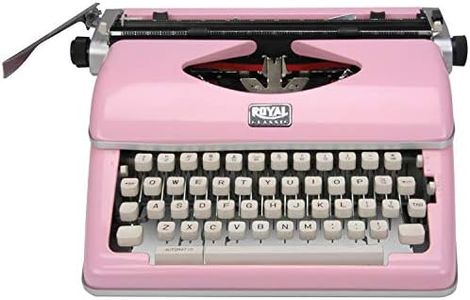
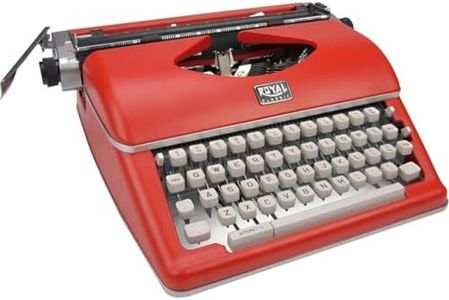
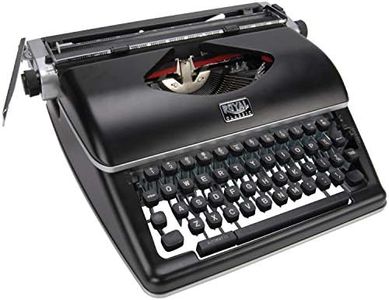
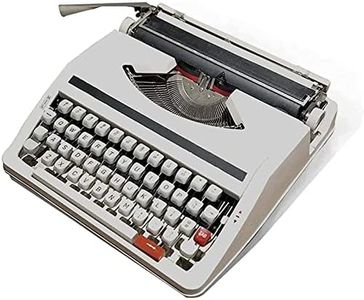
Related Products
Buying Guide for the Best Available Typewriters
Choosing a typewriter can be an enjoyable experience if you consider how you plan to use it. Before buying, think about whether you'll be writing often, where you’ll use it, and whether you want a vintage feel or something a bit more modern. Each type of typewriter offers a different experience, so knowing a bit about key features can help you make a choice that matches your needs and style.Typewriter CategoryThe main types of typewriters are manual, electric, and electronic. Manual typewriters require no power and rely solely on your finger strength to create each letter directly on the paper. They're best for those who want a classic, completely mechanical experience and don’t mind a bit of effort. Electric typewriters, meanwhile, use electric power to make typing easier and softer, helping if you'll type for longer periods or have hand fatigue. Electronic typewriters add digital features like memory and LCD screens, which can be helpful for editing before printing. For a nostalgic, off-the-grid feeling, manual is ideal. For convenience and ease, look at electric or electronic versions.
PortabilityPortability refers to how easy it is to carry and move your typewriter. Compact, lightweight models are great if you plan to write in different places, like a coffee shop or during travels, but may have smaller keyboards and fewer features. Larger desk models tend to be heavier and sturdier, suited for a permanent spot in your home or office, offering a more comfortable typing surface over long sessions. Choose lightweight if you’ll move it often, or heavier if you value stability and comfort.
Keyboard LayoutThis is about the arrangement, size, and feel of the keys. Some layouts are more cramped or have different character placement, especially on vintage or foreign models. Familiar, comfortable layouts like QWERTY are best for fast, frequent writing. If you have large hands or like more spacing, look for wider key spacing and good tactile feedback. Testing the keyboard’s comfort can help avoid fatigue, especially if you plan to type a lot.
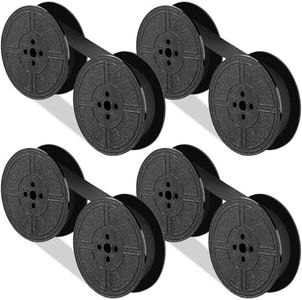
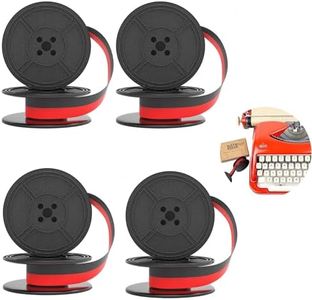
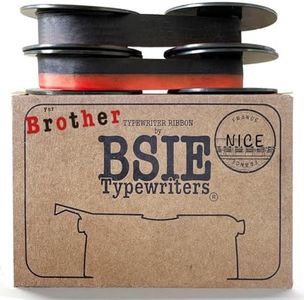
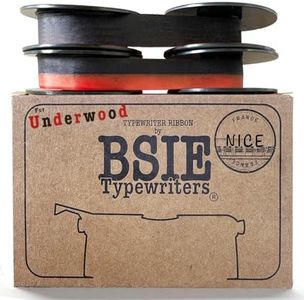
Ribbon SystemThe ribbon is the part that transfers ink to the paper. Some typewriters use two-color ribbons (usually black and red), while others have only one. Modern or compatible ribbons are easier to replace; some older typewriters need special ribbons or adapters. Dual-color ribbons allow more flexibility, for example using red for corrections or emphasis. Consider how easily you can find replacement ribbons, and whether you want color options for your writing habits.
Paper Size CompatibilityMost typewriters handle letter or A4 paper, but some accept only smaller sheets, while others can manage larger formats. If you plan to type forms, cards, or non-standard papers, check the maximum paper width and adjustability. Choose a model that fits your typical writing needs, whether for standard documents, special projects, or creative uses.
Mechanism Condition and Noise LevelThe condition of the mechanics is important for both performance and noise. Manual typewriters tend to be noisier with louder key action, which is part of their charm but could be distracting in a quiet space. Electric and electronic versions usually run quieter and more smoothly. If you need a peaceful writing environment or don’t want to disturb others, consider the noise level and try to test before buying, especially secondhand.