10 Best Baby Monitors With Breathing Sensors
From leading brands and best sellers available on the web.By clicking on a link to a third party's website, log data is shared with that third party.
Related Products
Up to 22% off
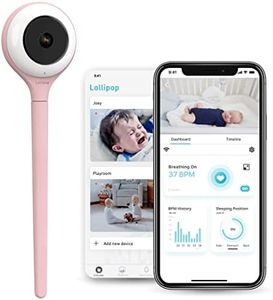
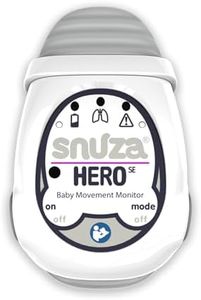
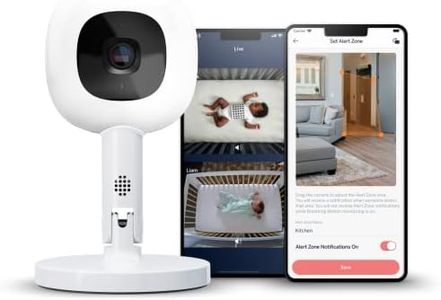
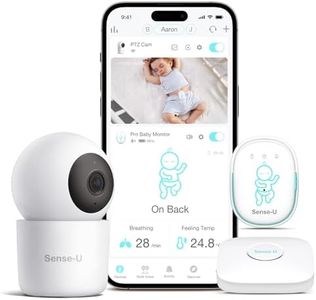
Buying Guide for the Best Baby Monitors With Breathing Sensors
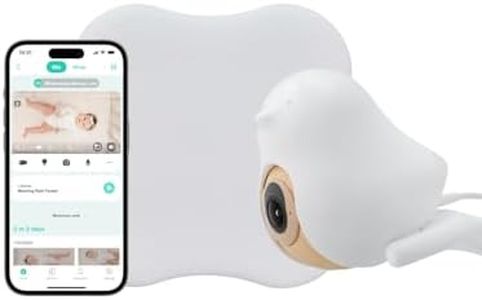
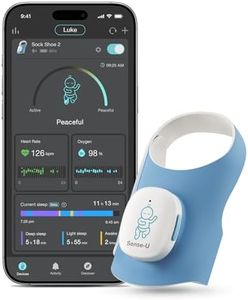
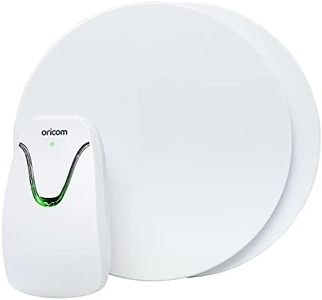
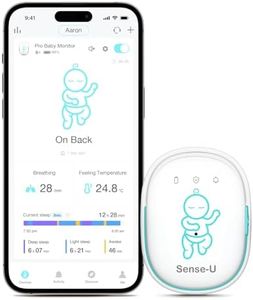
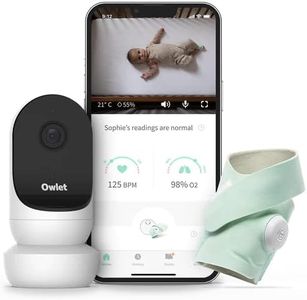
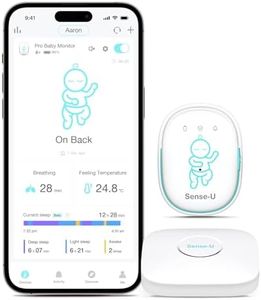
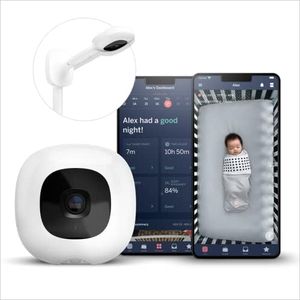
When choosing a baby monitor with breathing sensors, it's important to consider what features will give you peace of mind while keeping an eye (and ear) on your baby's well-being. These devices go beyond traditional audio and video monitoring by trying to track your baby's breathing movements and alerting you if something seems unusual. Since your needs might range from monitoring a newborn in a crib to keeping tabs on a toddler who moves a lot, understanding key specifications will help you find a monitor that's just right for your family.Breathing Sensor TechnologyBreathing sensor technology is the core feature that differentiates these baby monitors from regular ones. It typically uses either sensor pads placed under the mattress, wearable bands, or contactless camera-based monitoring. Sensor pads and wearables give very direct readings by detecting movement or chest motion, whereas camera-based systems use video analysis to track breathing patterns. If your baby tends to move around a lot or sleeps in different spots, a wearable or camera-based sensor may be more flexible. For those who want zero contact, under-mattress pads or camera solutions are ideal. Choose the technology that best matches your baby's sleep habits and your comfort with setting up and maintaining the equipment.
Alert FeaturesAlert features refer to how and when the monitor notifies you if there’s a potential issue, like if your baby’s breathing hasn’t been detected for a certain period. Alerts can be visual, audio, vibrating, or app-based notifications on your phone. Some devices offer customizable alert thresholds, letting you adjust how sensitive the system is. If you’re a light sleeper or want immediate notification, check for loud audio or vibration alerts. If you prefer more subtle notifications or want alerts sent to your phone, look for app compatibility. Think about what kind of alert you’ll notice most reliably and what will make you feel most reassured.
Connection TypeConnection type determines how the baby monitor sends information from the sensor to you. Options include local radio frequency (RF) signals, Wi-Fi connections, or Bluetooth. Monitors using RF tend to have fewer privacy risks and aren’t dependent on internet, but typically have shorter range. Wi-Fi and app-based monitors offer remote access and extra features, but rely on your home internet and may raise privacy/security concerns. If you plan to monitor from both inside and outside the home, a Wi-Fi model may be preferable. For those who only need monitoring within the house, a local connection is usually simpler and more secure.
Video and Audio QualityFor baby monitors with cameras, the video and audio quality affect how clearly you can see and hear your baby, especially in low light. High definition (HD) video and night vision features let you see your baby even in the dark, while clear audio ensures you hear every sound. If you tend to check in often, need night vision, or want to view your baby from another room, prioritize monitors with good image resolution and strong audio clarity. Simpler monitors with basic audio or standard video are sufficient if you just need reassurance once in a while.
Battery Life and Power OptionsBattery life tells you how long the device can run before needing a recharge or new batteries, which is especially important for wearables and portable monitors. Some devices run only while plugged in, while others have rechargeable or replaceable batteries. If your monitor will stay in one place, a plug-in device works well. For wearables or monitors you plan to move from room to room, longer battery life means less worry about recharging. Choose based on how mobile your baby is and how much time you want to spend managing the device.
Ease of Setup and UseEase of setup covers how simple it is to install and operate the monitor and breathing sensor. Some systems require more intricate installation, like placing pads under a mattress, while others just need to be attached to your baby's clothing or set up via an app. If you prefer quick setup and fewer steps, consider wearable or camera-based models with user-friendly apps. For more permanent setups, sensor pads might not need much attention after installation but are less portable. Think about your comfort with technology and your willingness to handle setup tasks.
Data Privacy and SecurityWith smart devices, especially those connected to Wi-Fi or apps, privacy and data security are key. Monitors with local connections generally have fewer privacy concerns, while online-connected devices may store data in the cloud or process it through servers. If privacy is a high priority, look for products with strong security features including encrypted transmissions, strong password requirements, and clear privacy policies. Decide how much you trust a device to handle sensitive household information and choose one that aligns with your family's privacy preferences.