Buying Guide for the Best Baby Sunscreen Sensitive Skin
Choosing a sunscreen for babies with sensitive skin is an important decision for every parent or caregiver. Babies have delicate skin that needs protection from harmful sun rays, but sensitive skin also means being extra careful about ingredients that could cause irritation. When looking for the right product, it's essential to focus on both effective sun protection and gentle, non-irritating formulas. Understanding the key specifications will help you find a sunscreen that keeps your baby safe and comfortable outdoors.SPF RatingThe SPF, or Sun Protection Factor, tells you how well the sunscreen protects skin from UVB rays, the type of sun rays that cause sunburn. For babies, especially those with sensitive skin, an SPF of 30 to 50 is ideal. SPF 30 blocks about 97% of UVB rays, while SPF 50 blocks around 98%. Going below 30 may not offer enough protection, and values above 50 don’t add significant extra safety. When choosing, think about how long your child will be outside and how intense the sun exposure will be. A higher SPF is a good choice for longer outings or stronger sun.
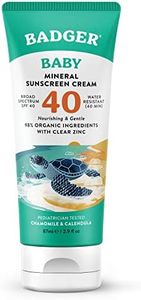
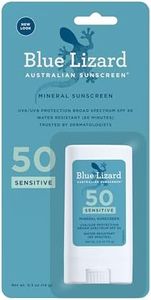
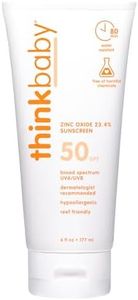
Active IngredientsActive ingredients do the actual work of blocking or absorbing harmful rays. For sensitive baby skin, mineral (physical) blockers like zinc oxide and titanium dioxide are the safest choices because they sit on top of the skin rather than being absorbed. Chemical ingredients like oxybenzone, avobenzone, and others can sometimes cause irritation or allergic reactions, especially in delicate skin. When checking ingredients, look for sunscreens labeled as mineral or physical, and avoid complex chemical names if your baby is prone to skin issues.
Fragrance-FreeFragrances, both natural and synthetic, can trigger reactions on sensitive baby skin. Fragrance-free means the product has no added scent, reducing the risk of irritation or allergies. Some products may say 'unscented,' but this can still mean they use masking chemicals. For truly sensitive skin, it’s best to choose sunscreens that clearly state they are fragrance-free, which keeps the formula as gentle as possible.
Hypoallergenic and Dermatologist-TestedHypoallergenic refers to products formulated to minimize the chance of allergic reactions. When paired with the term 'dermatologist-tested,' it suggests the formula has gone through some level of safety assessment by skin experts. While these terms are not strictly regulated, looking for them can offer a bit more reassurance for babies with extra-sensitive skin. Always watch for signs of irritation with any new product even if it's labeled hypoallergenic.
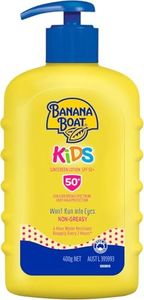
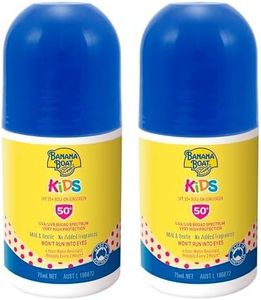
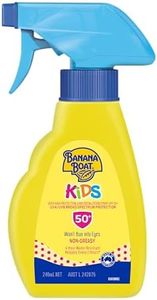
Texture and ApplicationThe feel and ease of applying sunscreen are important for babies, since their skin is highly sensitive and you may need to apply often. Some sunscreens come in creams, lotions, sticks, or sprays. Creams and lotions tend to be more moisturizing and less likely to cause inhalation issues than sprays. Sticks are less messy for small spots like the face but may be harder to spread. Choosing a texture depends on your child's preferences, your own convenience, and where you'll be applying it. Start with small amounts and pay attention to how the product feels on your baby's skin.
Water ResistanceWater-resistant sunscreens stay effective even after your baby sweats or plays in water for a period of time, often 40 or 80 minutes. While water resistance doesn’t mean waterproof, it can offer more reliable protection during outdoor activities, swimming, or hot weather. Consider your child’s activities—opt for water-resistant formulas if your little one will be in and out of water, but always remember to reapply after swimming or towel-drying.