8 Best Back Stretching Devices
From leading brands and best sellers available on the web.By clicking on a link to a third party's website, log data is shared with that third party.


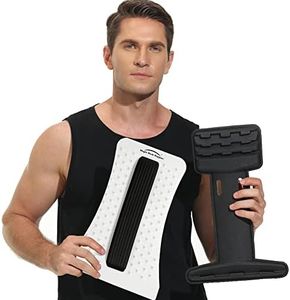

Buying Guide for the Best Back Stretching Devices
Choosing the right back-stretching device can make a noticeable difference in your comfort, flexibility, and overall back health. The key is to select a device that matches your body, fitness level, and specific needs. It’s important to understand the different features available so you can find one that fits your daily routine, addresses your particular back issues, and is comfortable and safe to use. Start by considering where you plan to use the device, how much space you have, and any advice you’ve received from a healthcare professional.Type of DeviceBack-stretching devices can come in several types, such as stretch benches, arches, mats with raised curves, inversion tables, and small portable tools. Each type is designed for a different stretching experience and body need. For example, arches and mats offer gentle passive stretching, ideal for beginners or for daily light use. Inversion tables provide a more intense stretch and are used by people looking for deeper decompression. Choose a type based on the intensity of stretch you want and how much space you have at home.
AdjustabilityAdjustability refers to how much you can change the shape, angle, or height of the stretching device to match your body or target specific muscles. More adjustable devices can fit a variety of body sizes and let you increase the stretch as you become more flexible. Beginners or those with sensitive backs should look for devices with several gentle settings, while advanced users may seek out those with higher levels of customization and deeper stretch angles.
Size and PortabilityThe overall size and how easily you can move or store the device is important, especially if you have limited space. Smaller devices are easier to store and transport, making them a good choice for those who want to use them at work or travel. Larger devices like benches or tables require more dedicated space but often provide a more stable and diverse stretching experience. Think about where you will be using it most and how often you’ll need to move it.
Material and Build QualityThis refers to what the device is made out of and how well it is constructed. High-quality materials, such as sturdy plastics, steel frames, or comfortable padding, ensure the device lasts longer and provides a safe stretching experience. If you plan to use the device often or want extra comfort, pick one made from durable materials with good padding.
Weight CapacityWeight capacity means the maximum user weight the device can support safely. It’s important for safety and to ensure the device is appropriate for your body. Devices are usually divided into ranges — light, standard, and heavy-duty. Always choose a device that lists a weight range well above your own to ensure stability and durability.
Ease of UseEase of use considers how simple it is to set up, get on and off, and operate the device day-to-day. Devices with fewer setup steps and clear instructions are great for beginners, while more complex ones might suit those comfortable with a regular stretching routine. Think about how much time and effort you’re willing to spend before each stretch session.