We Use CookiesWe use cookies to enhance the security, performance,
functionality and for analytical and promotional activities. By continuing to browse this site you
are agreeing to our privacy policy
10 Best Backpacking Tripods
From leading brands and best sellers available on the web.By clicking on a link to a third party's website, log data is shared with that third party.
Related Products
Up to 8% off
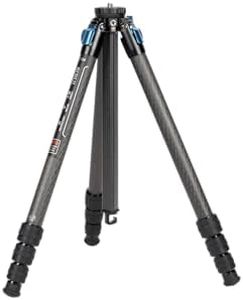
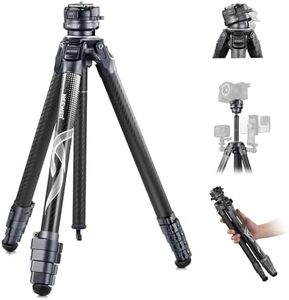
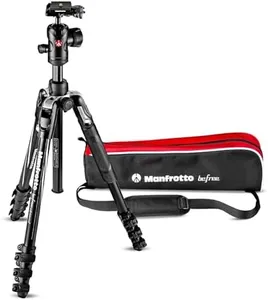
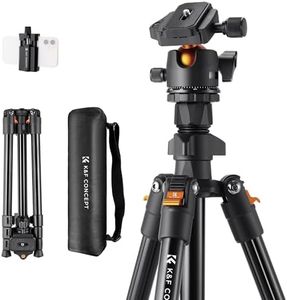
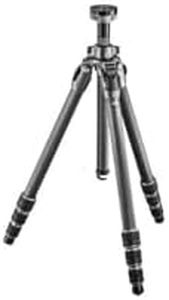
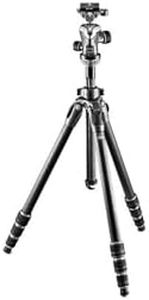
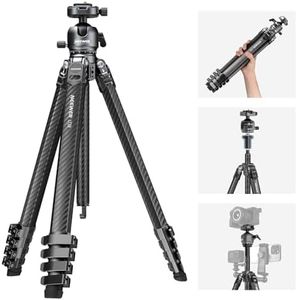


Buying Guide for the Best Backpacking Tripods
Choosing a backpacking tripod is all about finding the sweet spot between stability, weight, and packability. A good backpacking tripod should be light enough to carry over long distances but sturdy enough to support your camera in outdoor conditions. You’ll want to consider what kind of camera you’re using, the terrain you’ll be encountering, and how much space you have in your backpack. Think about how often you’ll use the tripod, and how quickly you need to set it up, as those will influence your satisfaction in the field.WeightWeight refers to how heavy the tripod is when fully assembled. This matters a lot because every ounce counts when you're backpacking long distances. Generally, tripods can be divided into ultralight (less than 1 kg), lightweight (1–1.5 kg), and standard (more than 1.5 kg) categories. Ultralight models are best for those trekking many miles or carrying minimal gear, but they may compromise stability. Heavier tripods generally offer better support, especially for larger cameras or windy conditions but are a burden over long trails. Consider the trade-off between stable shots and ease of carrying, based on how much hiking versus photography you'll do.
Maximum HeightMaximum height is how tall the tripod gets when fully extended. This affects your shooting comfort and perspective. Shorter tripods (up to 120 cm) are compact and easy to carry, but you might have to kneel or bend. Mid-height tripods (120–150 cm) offer a better balance between usability and portability. Taller tripods (over 150 cm) provide more eye-level shots but are bulkier. Think about your usual shooting style—if you often want shots from your eye level, pick a taller tripod, but if you’re prioritizing light weight, go shorter.
Folded LengthFolded length is the size of the tripod when it's packed down. This affects how easily it fits into or onto your backpack. Compact models (under 40 cm) slip easily into side pockets or inside your bag, making them ideal for travelers and hikers with limited space. Longer tripods (over 40 cm) might need to be strapped to the outside or require a bigger backpack. Decide how much space you can spare and check the folded length to ensure hassle-free carrying.
MaterialTripods are typically made from aluminum or carbon fiber. Aluminum tripods are less expensive and usually a bit heavier, but still sturdy and durable. Carbon fiber is lighter and dampens vibrations better (so your images are sharper), but costs more and can be more prone to cosmetic damage. If every gram counts and you’re willing to invest, carbon fiber is often the hiker's choice. For occasional or less rugged use, aluminum is perfectly adequate.
Load CapacityLoad capacity is the maximum weight the tripod can support safely. If you use a lightweight compact camera or smartphone, even tripods with lower capacity are fine. If you have a DSLR with a larger lens or plan to do panoramas or nighttime photography, look for a higher load capacity. Tripods can usually be grouped as supporting small (up to 2 kg), medium (2–5 kg), or large (over 5 kg) camera setups. Always choose a tripod that can support at least 1.5 times the total weight of your heaviest camera and lens combination to ensure stability.
Leg SectionsTripods come with different numbers of leg sections—commonly 3, 4, or 5. More sections mean a shorter folded length, but may take longer to set up and can reduce stability. Fewer sections are quicker to deploy and offer better stability but are usually longer when packed. If fast setup is crucial or you value stability for longer shots, fewer sections are better. If packability is key, more leg sections can shorten the tripod for easy transport.
Head TypeThe tripod head is what holds and positions your camera. The two most common types are ball heads and pan-tilt heads. Ball heads are quick and simple, allowing flexible movement in any direction—great for rapid composition changes. Pan-tilt heads allow you to adjust the camera in separate axes, making them ideal for precise framing or panoramas, but they can be bulkier. For most backpackers, a compact ball head offers the best mix of speed, control, and reduced weight.