7 Best Bait Block Rat Poisons
From leading brands and best sellers available on the web.By clicking on a link to a third party's website, log data is shared with that third party.
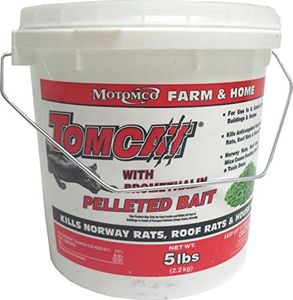
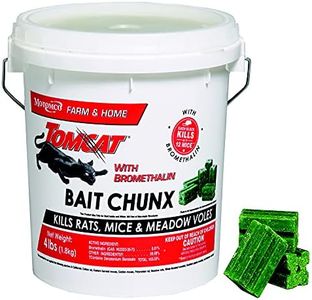
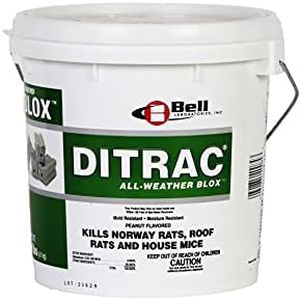
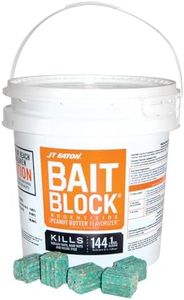
Buying Guide for the Best Bait Block Rat Poisons
When selecting bait block rat poisons, it's important to find a solution that is both effective and safe for your specific setting. Think about where you will use the product (indoors or outdoors), the severity of your rodent problem, and any risks to pets, children, or wildlife. Every bait block is designed with different ingredients, target species, and safety features, so understanding the core specifications will help you make a responsible and successful choice for your needs.Active IngredientThe active ingredient determines how the poison works and how effective it is against rats. There are generally anticoagulants, which cause internal bleeding over time, and non-anticoagulants, which act differently, such as through dehydration or nervous system disruption. Anticoagulants require rats to consume them over several days and are effective but can also pose higher risks to non-target animals if they eat poisoned rodents. Non-anticoagulants can act faster but might need a single feeding. Those worried about risks to pets and wildlife should research the toxicity and antidotes (if any) for each ingredient and pick one that aligns with their safety concerns.
PalatabilityPalatability is about how attractive the bait block is to rats. A more palatable bait means the rats are more likely to eat it, making it more effective. Palatability can vary based on the ingredients and the freshness of the bait. If you have a severe infestation, especially with picky or bait-shy rodents, a highly palatable product can make a difference. Consider where you’re placing the bait and whether other food sources competition, and choose accordingly.
Formulation and Weather ResistanceThis spec refers to whether the bait blocks hold up in different environmental conditions, such as rain, humidity, or direct sunlight. Outdoor use requires weather-resistant blocks, which are designed not to dissolve or spoil quickly when exposed to moisture. Indoor-only blocks can be softer and more prone to spoilage. Consider this when placing bait in garages, sheds, crawl spaces, or gardens to ensure consistent effectiveness.
Secondary Poisoning RiskSecondary poisoning risk means the potential danger to other animals if they eat poisoned rats. Some bait blocks are formulated to reduce this risk, either by being less toxic to non-target species or by breaking down faster in the rodent's body. If you have pets, livestock, or wildlife around, look for information on secondary poisoning and select a bait that minimizes this risk.
Block Size and Usage InstructionsBlock size affects how long the bait lasts in the field and how easily it fits in bait stations. Larger blocks last longer and require less frequent replacement, which is better for outdoor or hard-to-access locations. Smaller blocks are ideal for precise placement or infrequent problems. It’s important to follow the manufacturer’s usage instructions regarding the number of blocks per bait station and replacement timing for safe and effective results.
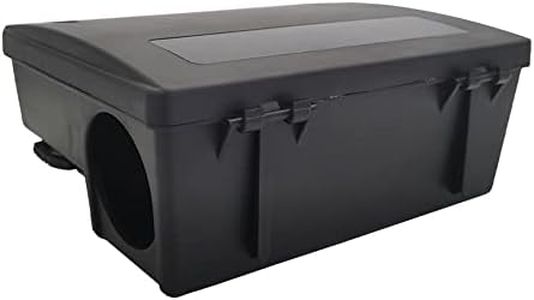
Tamper Resistance and Safety FeaturesSome bait blocks come with features to deter accidental exposure by non-target animals and children, such as being compatible only with lockable bait stations. These features are essential for environments where safety is a concern, such as households with pets or small children. Always check compatibility with safety stations and opt for tamper-resistant designs if there is any risk of unintended access.