We Use CookiesWe use cookies to enhance the security, performance,
functionality and for analytical and promotional activities. By continuing to browse this site you
are agreeing to our privacy policy
10 Best Baking Cookie Sheets
From leading brands and best sellers available on the web.By clicking on a link to a third party's website, log data is shared with that third party.
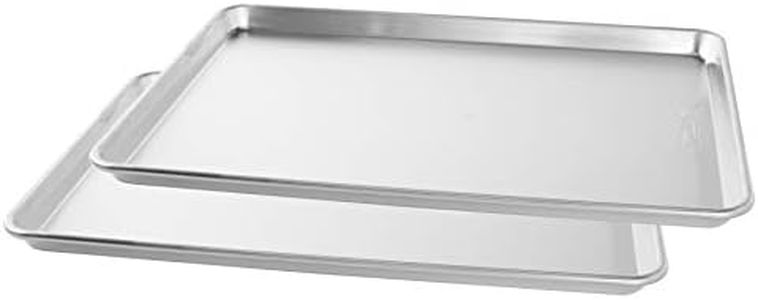
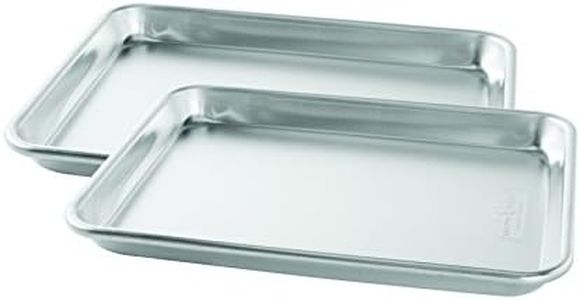
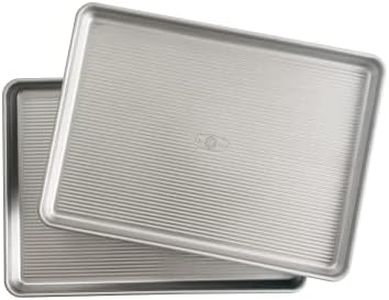
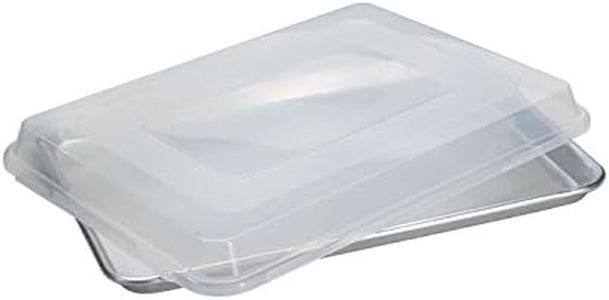
Related Products
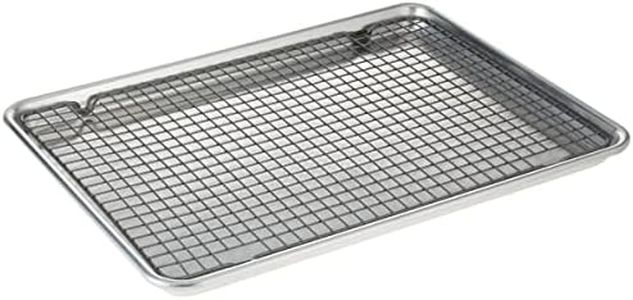
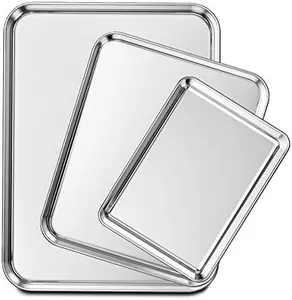
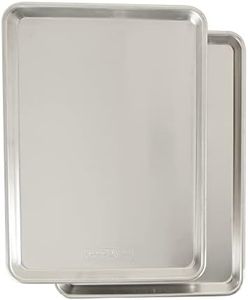
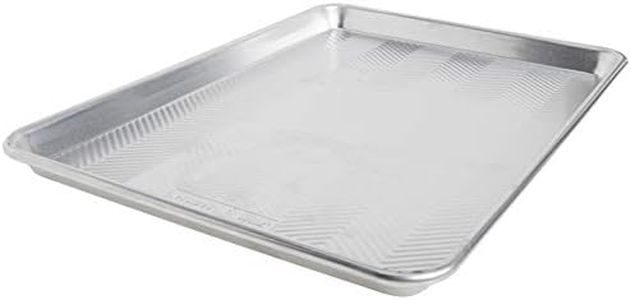
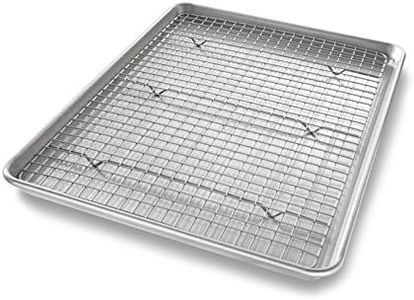
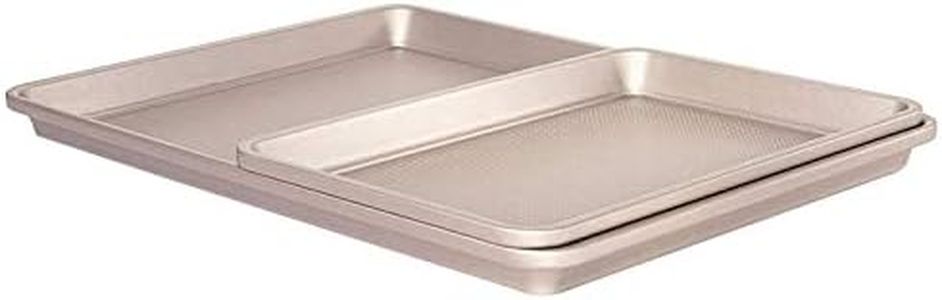
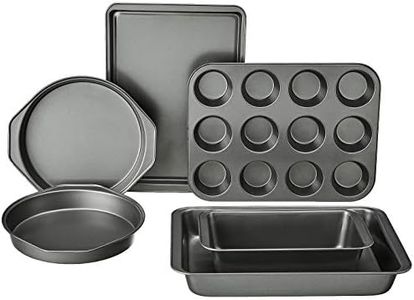
Buying Guide for the Best Baking Cookie Sheets
Choosing the right baking cookie sheet can make a big difference in your baking results, whether you’re a beginner or an experienced baker. Cookie sheets come in different materials, sizes, and finishes, and each of these factors impacts your recipes in unique ways. The best approach is to think about what and how often you plan to bake and match your choice to those needs—picking something easy to use, easy to clean, and that offers predictable results.MaterialCookie sheets are commonly made from aluminized steel, aluminum, stainless steel, or occasionally nonstick coated materials. The material influences heat conduction, durability, and ease of cleaning. Aluminum is excellent for even baking due to its good heat conduction but may warp at high heat. Aluminized steel adds strength and resists corrosion while providing even baking. Stainless steel is durable but doesn't conduct heat as evenly. When choosing, consider how important even browning and durability are for you: frequent bakers often prefer aluminized steel, while occasional users may be fine with aluminum.
Size and ShapeCookie sheets come in several standard sizes, such as full, half, and quarter sheet pans. The size affects how many cookies you can bake at once and whether the sheet fits inside your oven. Half sheets (about 18x13 inches) are the most common for home use and fit most ovens, while quarter sheets are useful for smaller batches or toaster ovens. If you have a small oven, measure it first. Pick a size that balances your batch needs and oven space.
Thickness (Gauge)The thickness of the cookie sheet, often referred to as the gauge, affects how the pan performs. Thicker sheets (lower gauge numbers) resist warping and distribute heat more evenly. Thinner sheets can warp at high temperatures and may result in uneven baking. For most home bakers, a medium- to heavy-gauge pan gives the best balance of sturdiness and even baking, especially if you bake frequently or want professional-looking results.
Surface Finish (Nonstick, Textured, or Natural)The surface finish impacts how cookies release from the sheet and how easy it is to clean. Nonstick surfaces are convenient for easy removal and cleaning, but they may wear out over time and should not be used under high broiler heat. Natural or uncoated surfaces can last longer but may need greasing or parchment paper. Some sheets have textured surfaces that promote airflow for crispier cookies. Think about how much you value easy cleanup versus longevity and whether you prefer not using extra parchment or greasing.
Rimmed vs. RimlessCookie sheets may have raised edges (rimmed) or be flat (rimless). Rimmed sheets are versatile—you can use them for roasting vegetables or baking other foods without spilling. Rimless sheets are designed for sliding cookies off more easily but are less versatile. Consider if you’ll only use the sheet for cookies or also for other baking or roasting.
Ease of CleaningHow easy it is to clean your cookie sheet depends on the material and finish. Nonstick and some coated pans are easier to wipe clean, while uncoated pans may require more scrubbing or use of parchment paper. Dishwasher-safe sheets add convenience, but hand washing usually extends the life of your pans. Match your choice to how much cleanup effort you’re willing to put in after baking.