10 Best Baseball Bat Grip Tapes
From leading brands and best sellers available on the web.By clicking on a link to a third party's website, log data is shared with that third party.
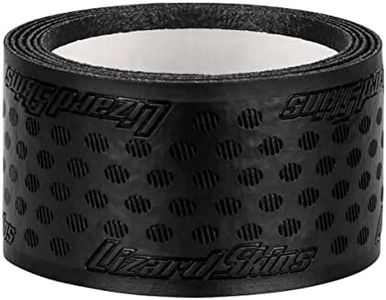
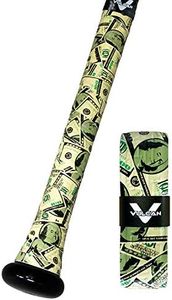
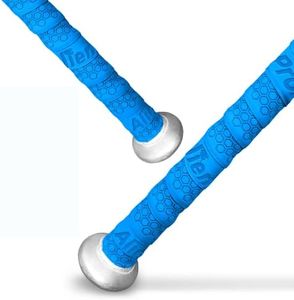
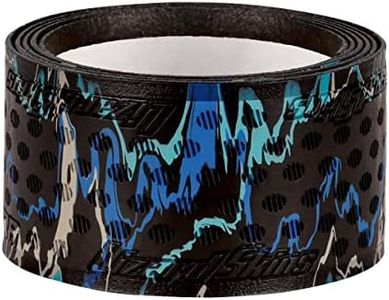
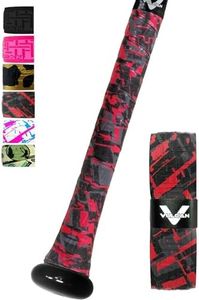
Related Products
Up to 31% off
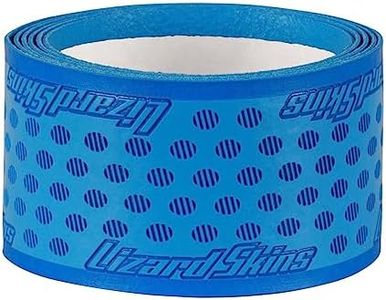
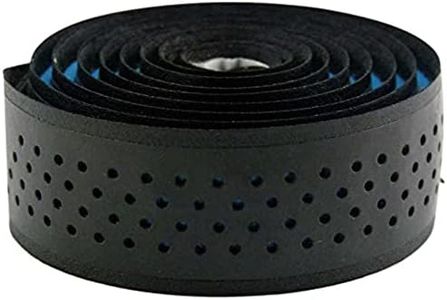
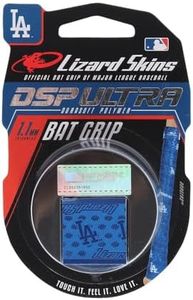
Buying Guide for the Best Baseball Bat Grip Tapes
Choosing the right grip tape for your baseball bat can make a big difference in how comfortable and confident you feel when you’re at the plate. Grip tapes not only affect the feel of the bat in your hands, but they also influence your control, swing power, and even help prevent blisters. To pick the best grip tape for you, it’s important to understand the main features and options, and match them to your playing style and needs. Focus on what feels good in your hands and gives you the most control, as this will help you play your best.ThicknessThe thickness of grip tape is a key feature that determines how cushioned the handle feels in your hands. Thicker tapes usually offer extra comfort and can absorb more vibration, making them ideal if you want to lessen the sting from bad hits or simply prefer a softer, more padded grip. Thinner tapes provide a closer feel to the bat and may suit those who want minimum bulk, faster feedback, and a lighter handle. Try to match the thickness to how much cushioning you prefer—if you tend to feel discomfort, go thicker, but if you want more direct contact and control, opt for something thinner.
TackinessTackiness refers to how sticky or grippy the tape feels when you hold the bat. High-tack grips help keep the bat from slipping in sweaty or wet conditions, which is useful if your hands get sweaty or you play in humid weather. Less tacky grips still offer hold but allow for easier hand repositioning. Choose higher tackiness if you struggle with bat slippage, but if you like being able to shift your hands smoothly or wear gloves, a moderate tack grip may be better.
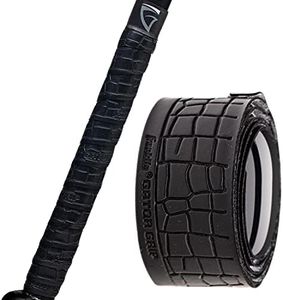
TextureTexture is about the surface feel and grip pattern of the tape. Some grip tapes have a smooth finish, while others have perforations, ridges, or raised patterns. A more textured tape helps improve your grip security and can be better if you have sweaty hands; it also adds some style. A smoother tape feels sleek and might be preferable for players who want a simple, unobtrusive feel. Consider if you like feeling the texture as you swing and pick accordingly.
Length and WidthGrip tapes come in various lengths and widths to fit different bat sizes and handle shapes. Longer tapes can fully cover the handle for bigger bats or extra wrapping, while shorter ones suit youth or lighter bats. Standard widths work for most players, but if you want more coverage per wrap or a wider grip area, pick a tape with a greater width. Measure your bat’s handle or check manufacturer guidelines to ensure you get tape that fits well and covers the handle completely without overlapping too much.
Moisture AbsorptionSome grip tapes are better at wicking away sweat and moisture, which helps maintain grip even when your hands are wet. If you often play in hot conditions or your hands sweat a lot, look for grip tapes designed to absorb moisture. These help prevent slipping and keep your hands dry. If sweat isn’t as much of a problem for you, this feature might be less important.
DurabilityDurability measures how well the grip tape holds up over time and use. Some tapes are designed to resist peeling, tearing, or fading, making them a better investment if you play frequently or put a lot of stress on your grip. Less durable options may need to be replaced more often, but could give you a chance to switch styles or features as your needs change. Choose more durable tape if you want a long-lasting grip and don’t want to rewrap your bat too often.
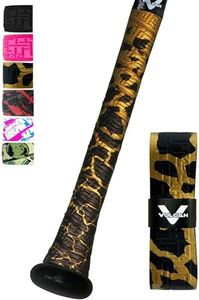
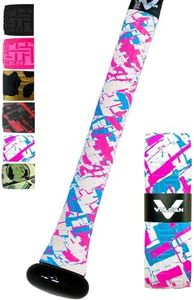
Color and DesignWhile this doesn’t affect performance directly, the color and design of your grip tape can give your bat a personal touch and stand out on the field. Some players like bold colors or patterns, while others prefer classic, simple designs. If appearance or team coordination is important to you, take this into account along with performance features.