10 Best Basement Concrete Sealers
From leading brands and best sellers available on the web.By clicking on a link to a third party's website, log data is shared with that third party.
Related Products

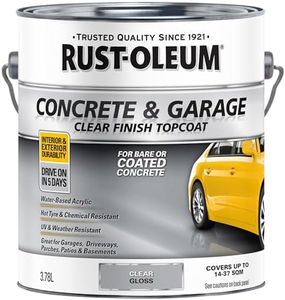
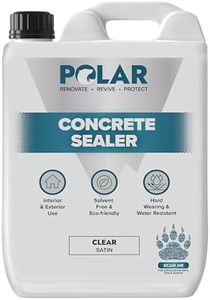
Buying Guide for the Best Basement Concrete Sealers
Choosing the right basement concrete sealer can help you protect your space from moisture, prevent mold, and extend the life of your concrete floor or walls. The basement environment is naturally more humid and prone to water infiltration, so picking a sealer that matches your needs is crucial. Start by thinking about the main problems you want to solve: Do you need to block water, prevent staining, or just control dust? Understanding the different key specifications will help you find a product that works best for your unique basement conditions.Sealer TypeThe most common types of basement concrete sealers are penetrating sealers, acrylic sealers, and epoxy/urethane coatings. Penetrating sealers soak into the concrete and offer good protection against moisture without changing the appearance of the surface. Acrylic sealers sit on top and provide a slight sheen while also helping to repel water and resist stains. Epoxy and urethane coatings make a thick, protective surface layer that's very durable. Your choice depends on whether you want a natural look, need strong chemical or abrasion resistance, or just basic moisture control. Think about the main problems in your basement: for invisible protection against water, go with penetrating; if you want a glossy or colored finish, look at acrylic or epoxy options.
Water ResistanceWater resistance describes how well the sealer can block liquid water and vapor from passing through the concrete. If your basement is prone to dampness or occasional leaks, high water resistance is critical for keeping things dry and preventing mold. Some sealers are labeled as 'water repellents' while others are called 'waterproofers.' Water repellents keep out rain and surface dampness, while waterproofers block both water and vapor, making them best for severe moisture. Choose based on your basement's typical moisture level: very damp or leaky basements need the best waterproofing options, while dryer spaces may only need basic repellents.
Finish AppearanceThis refers to how the sealed concrete will look once the product is applied and dried. Options include natural (no change in appearance), matte, satin, or glossy finishes. Penetrating sealers tend to leave the concrete looking natural, while acrylic or epoxy coatings can create anything from a low-luster to high-gloss shine. Consider whether you want your basement floor to have a decorative finish or to look essentially unchanged. If appearance matters, focus on sealers with your preferred gloss and look at available color options if you want some tint.
Application MethodSealers can be applied with brushes, rollers, sprayers, or squeegees, and some types require multiple coats or special preparation. Some products are user-friendly for DIY projects, while others are more demanding and might require professional help. If you want a straightforward job, look for sealers labeled as 'easy application' or that are designed for homeowners. Consider the size of the area and how much time and effort you're willing to put in; if you prefer quick simplicity, water-based and penetrating sealers are usually easiest.
Drying and Cure TimeThis is the amount of time needed for the sealer to become touch dry (safe to walk on) and fully cured (ready for furniture or water exposure). Some products dry fast in just a few hours, while others need a day or more to fully cure. If your basement is busy or you're on a tight schedule, look for sealers with faster cure times. However, longer-curing products might offer better protection, so balance speed with your desired level of performance.