We Use CookiesWe use cookies to enhance the security, performance,
functionality and for analytical and promotional activities. By continuing to browse this site you
are agreeing to our privacy policy
4 Best Bassinet Bedside Sleepers
From leading brands and best sellers available on the web.By clicking on a link to a third party's website, log data is shared with that third party.
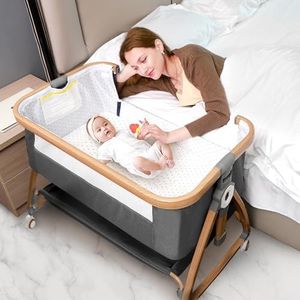
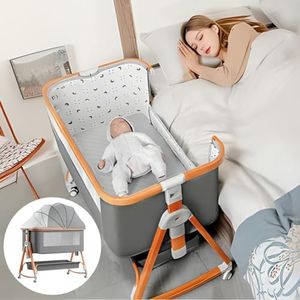
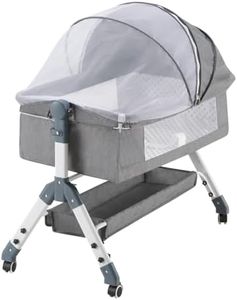
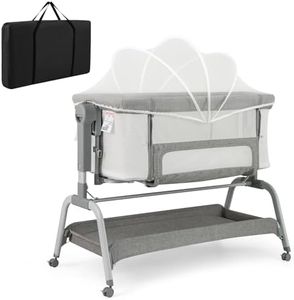
Buying Guide for the Best Bassinet Bedside Sleepers
Choosing a bassinet or bedside sleeper for your baby is an important decision, as this will be where your newborn sleeps during the early months. To pick the right one, you should consider both your baby's safety and your own convenience. Aim for something that fits your space, supports safe sleep guidelines, and meets your needs for nighttime feedings or comforting. Understanding the key features will help you find a model that's a good fit for your home and parenting style.Size and Weight CapacityThe size and weight capacity of a bassinet or bedside sleeper refer to its dimensions and the maximum weight it can safely hold. This is important because you want to make sure the sleeper fits comfortably in your bedroom and that your baby will be safe as they grow. You will find compact models that fit in smaller rooms and larger ones with more space for your baby. Weight limits vary, so some cradles are only suitable for newborns up to around 15-20 pounds, while others support a higher maximum, allowing for longer use. Think about your room size and how long you hope to use the sleeper; if you want it to last for several months, choose one with a higher weight limit.
Adjustability and Height SettingsAdjustability and height settings describe how much you can raise or lower the bassinet to line up with the height of your own bed. This is important if you want a seamless transition between your bed and the sleeper, making it easy to reach your baby for nighttime care. Models usually offer several height levels; low settings suit platform beds or mattresses on the floor, while higher settings suit standard beds or those with added height. To pick the right height, measure your bed from the floor to the top of the mattress, then find a sleeper that closely matches or slightly exceeds this measurement.
Side Panel AccessSide panel access means the ability to open, lower, or zip down one side of the sleeper for easier access to your baby—especially helpful for nighttime feedings or comforting without getting out of bed. Some sleepers feature a fully drop-down side or a mesh panel for quick visibility and airflow. This feature is particularly valued by recovering mothers or anyone looking to minimize disruption during nighttime wake-ups. If you intend to co-sleep with baby close by, prioritize easy-to-open side access. If you want a more contained and secure sleep environment, you may prefer a model with fixed sides.
Portability and MobilityPortability and mobility indicate how easy it is to move the bassinet from one room to another. This can come from lightweight design, wheels, or folding features. Portable models are great if you want to move the sleeper to a different part of your home during the day or travel with it to another house. Wheels are helpful for easy rolling, while folding designs fit well in smaller spaces or for travel. If you plan to keep the sleeper always by your bed, portability may be less important; if you want flexibility, look for lightweight designs and lockable wheels.
Breathability and MaterialBreathability refers to the airflow allowed by the materials used in the bassinet’s sides and mattress. Mesh sides are common and recommended, as they reduce suffocation risks and improve airflow for your baby's safety and comfort. Materials also affect how easy the bassinet is to clean and how it feels to the touch. When choosing, look for mesh panels or all-mesh sides for maximum airflow, and pick bottoms with removable and washable covers. If your baby has sensitive skin or allergies, hypoallergenic and natural materials may be good choices.
Stability and Safety CertificationsStability means the bassinet won’t tip or wobble, keeping your baby secure while sleeping, and safety certifications ensure it meets safety guidelines. Features like a wide base, secure leg locks, and anti-slip feet increase stability. Safety certifications from recognized organizations show the product has met established standards for safe infant sleep—something every parent should look for. To choose well, make sure the sleeper feels solid in person and check for certification labels or safety marks to know it’s been tested.
Storage and Extra FeaturesMany bassinets and sleepers include storage space for diapers, wipes, and nighttime essentials, or extra features like vibration, sound, or light settings. Storage is handy for keeping supplies close at hand to minimize nighttime disruptions; extra soothing features can calm some babies or add convenience to the parent. If space is at a premium, look for built-in baskets or shelves. If you prefer a simple design, you may want to skip extra electronics or gadgets and focus on core sleep essentials.