10 Best Beach Tent
From leading brands and best sellers available on the web.By clicking on a link to a third party's website, log data is shared with that third party.

Related Products
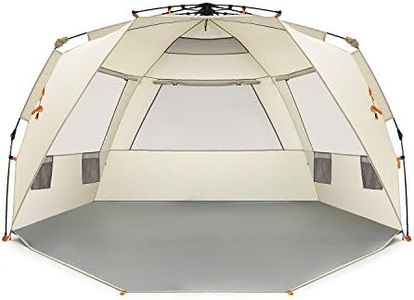
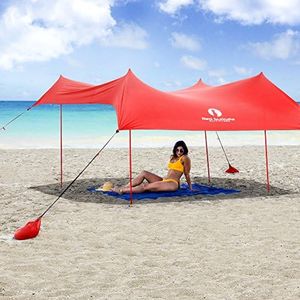
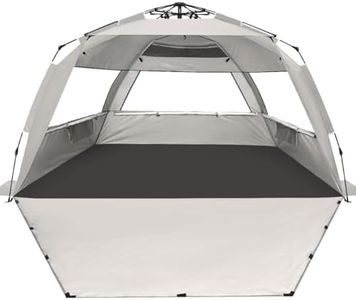
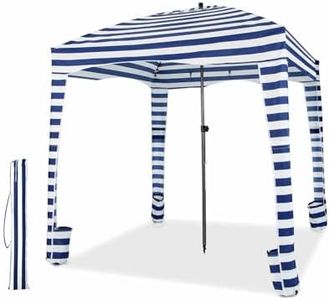
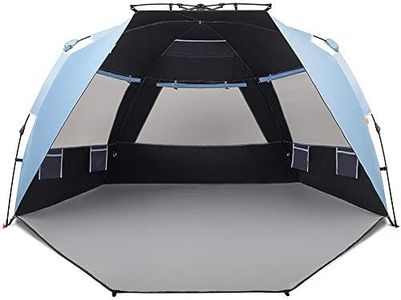
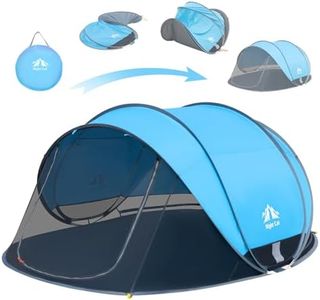
Buying Guide for the Best Beach Tent
Choosing a beach tent can make your time at the seaside much more comfortable by offering shelter from the sun, wind, and sand. With many designs available, it’s important to think about where, when, and how you’ll use the tent to find the best match for your needs. By understanding the key features and knowing your preferences, you can make a choice that leads to a better and more enjoyable beach experience.Size and CapacitySize and capacity refer to how many people can comfortably fit inside the tent and how much room there is for your belongings. This is important because beach tents come in a range of sizes, from small ones made for one or two people, to larger models that can fit families or groups. Small tents are lightweight and easy to carry but might feel cramped. Medium tents offer a good balance between portability and space, fitting two to four people. Larger tents provide plenty of room for families, but they may be heavier and take up more space in your car. Think about how many people will regularly use the tent and if you need extra space for gear. If you prefer a cozy retreat for solo use or a couple, go smaller. If you often go to the beach with family or friends, opt for a medium or large size for added comfort.
UV ProtectionUV protection is how well the tent’s fabric can block harmful ultraviolet rays from the sun. Since beach time means lots of sun exposure, this feature is crucial for protecting your skin. Many tents list a UPF (Ultraviolet Protection Factor) rating, such as UPF 30, 50, or higher. A higher UPF number means better protection. Tents with UPF 50 or above are ideal if you’ll be at the beach during peak sun hours or have sensitive skin. If you go to the beach mainly in the early morning or late afternoon, a lower UPF can be acceptable. For maximum safety, especially for children and long stays, always look for higher UV protection.
Ease of SetupEase of setup describes how quickly and simply you can assemble and take down the tent. This matters because you don’t want to struggle with poles and instructions while everyone else is enjoying the beach. Some tents use pop-up systems that open instantly with minimal effort, while others require you to insert poles or attach fittings, which can take more time. Pop-up tents are great for quick, casual trips or solo users, while pole tents might offer more stability but take longer to assemble. Think about your comfort with setting up gear, how often you’ll use the tent, and whether you’ll be putting it together by yourself. If convenience is your top need, choose the easiest option.
VentilationVentilation refers to how well air flows through the tent, keeping you cool and comfortable. Proper airflow prevents the tent from getting too hot or stuffy, which is especially important on warm, sunny days. Tents with mesh windows, open panels, or wide doorways allow for better breathability. Some have adjustable vents so you can control airflow as needed. If you plan to use the tent during the hottest parts of the day or in humid climates, choose a model with plenty of ventilation. For shorter or cooler stays, ventilation may not be as critical but is still a nice feature.
Weight and PortabilityWeight and portability describe how easy it is to carry the tent to and from the beach. Lightweight tents are easier to manage, especially if you’ll be walking a distance from your car or carrying other beach items. Heavier tents can provide more durability and stability but may be a hassle over longer distances. Some tents fold down into small carrying bags, making them easy to pack and store. Think about how far you’ll need to transport the tent and whether you need to carry it by hand or in a backpack. If you have a short walk to the beach or minimal gear, a heavier tent might be fine, but for longer hikes or crowded beaches, go for a light, compact option.
Wind and Stability FeaturesWind and stability features include the tent’s ability to stay put even when the breeze picks up. Look for features like sand pockets, stakes, guylines, or strong frames. Sand pockets can be filled with sand to weigh down the tent, while stakes and guylines help anchor it. If you often go to windy beaches, strong stability features are essential to prevent the tent from flipping or blowing away. For calm beaches, lighter stability features may be enough. Consider typical weather at your beach spots and pick a tent with enough anchoring options for your peace of mind.
Privacy FeaturesPrivacy features refer to any tent elements that give you a space away from strangers’ eyes, like zip-up doors or extended panels. This can be important if you need a discreet space for changing clothes, napping, or breastfeeding. Some tents offer full closures while others have only partial covers or open sides. If privacy is important to you and your family, look for tents that can be fully closed. For users who just need basic sun shade, more open designs might feel breezier and more comfortable.