10 Best Beginner Baitcasting Reel
From leading brands and best sellers available on the web.By clicking on a link to a third party's website, log data is shared with that third party.
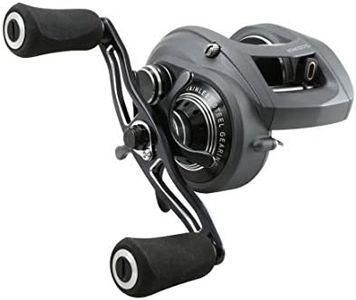
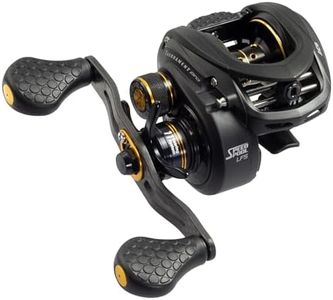
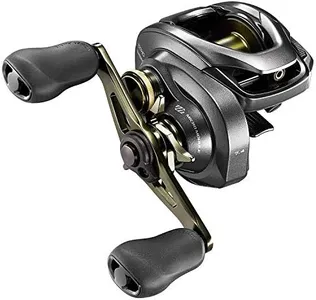
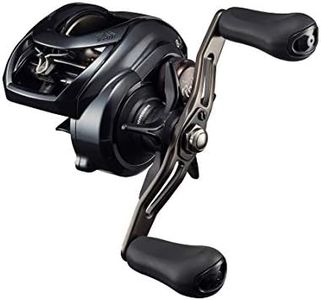
Related Products
Recommended lists

Top rated
Baitcaster For Beginner
Buying Guide for the Best Beginner Baitcasting Reel
Choosing your first baitcasting reel can seem tricky, but focusing on a few key features will help you find something user-friendly, reliable, and suited to your fishing style. Instead of jumping straight to advanced models, it's best to look for features that make learning easier and reduce the chances of tangles or frustration. Consider what and where you'll be fishing, as this helps narrow down options and ensures your new reel fits comfortably and works smoothly for your needs.Gear RatioGear ratio refers to how many times the spool turns with one handle rotation. It's important because it determines how quickly you can retrieve your line. Lower ratios like 5:1 are slower and provide more power, which is good for heavy baits or big fish. Medium ratios around 6:1 are a balanced, versatile choice for beginners and cover most fishing situations. High ratios like 7:1 and above are fast but can be hard to control for new users. For most beginners, a medium gear ratio is easiest to handle and covers a range of techniques.
Brake SystemThe brake system helps control the speed of the spinning spool, reducing the chance of bird’s nests (backlashes). This is a common issue for beginners. There are magnetic and centrifugal braking systems, each with its own feel and adjustment. Magnetic brakes are easier to adjust on the fly, making them beginner-friendly. Centrifugal brakes can be a little more precise but might require more setup. For someone just starting, look for a reel with an accessible magnetic brake system so you can make adjustments easily as you learn.
Spool TensionThis control fine-tunes how freely the spool spins and helps minimize backlashes. It's important because it lets you set the reel for different lure weights. Too loose and you get tangles; too tight and the cast suffers. Usually, you adjust spool tension so that the lure drops slowly when the reel is in free spool. As a beginner, practicing this adjustment with different lures will help you get better control and fewer tangles while casting.
Line CapacityLine capacity tells you how much fishing line the reel holds, usually listed by length and line strength. Having enough line for your fishing situation is important so you can handle longer casts or bigger fish. Small reels hold less line and are easier to manage, which is helpful on your first baitcaster. Most beginners won’t need very high capacity—just enough to match the rod and the type of waters you’re fishing in.
Weight and ComfortThe weight of the reel and how it feels in your hand matter because you'll be casting and reeling often. Lighter reels are usually easier to handle for longer periods, but you also want a reel that feels sturdy and balanced with your rod. For starting out, pick a moderate weight reel with comfortable handles, making sure it feels steady but not too heavy for your wrist during use.
Retrieve SideBaitcasting reels come in left- and right-handed versions. Which side you choose depends on what feels more natural, usually based on which hand you turn the handle with. Most right-handed people prefer left-handed reels (so they can cast with their right hand and reel with their left), but it's about personal comfort. Try a few and see which feels easiest to control, as this will make your first experiences much smoother.