10 Best Beginner Boxing Gloves
From leading brands and best sellers available on the web.By clicking on a link to a third party's website, log data is shared with that third party.
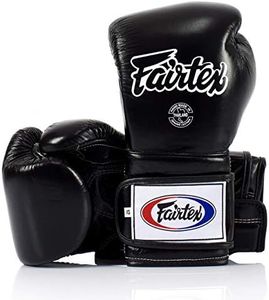
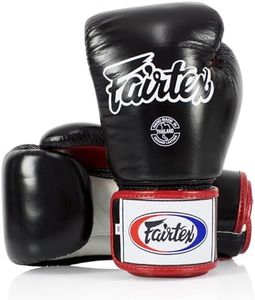
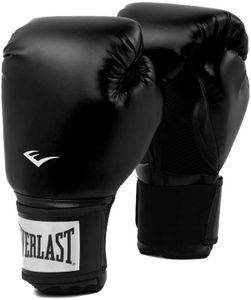
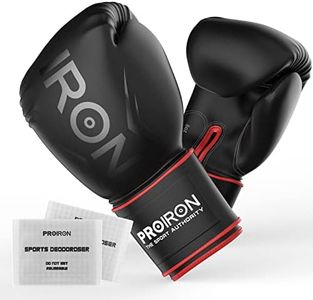
Related Products
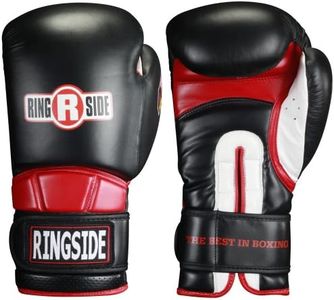
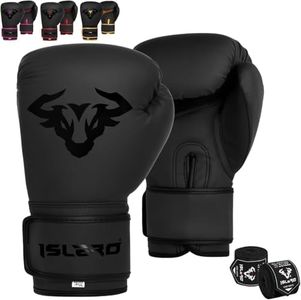
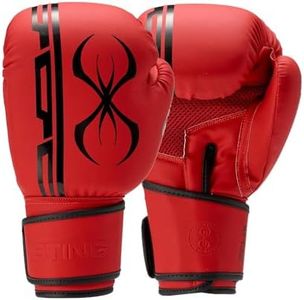
Buying Guide for the Best Beginner Boxing Gloves
Choosing your first pair of boxing gloves is a big step towards getting started in the sport. As a beginner, you want gloves that protect your hands, feel comfortable, and match your intended use—whether it’s for fitness classes, bag work, or sparring. Understanding the main features and what they mean for your training can help you pick the best pair for your needs.Weight (Ounces)The weight of boxing gloves is usually listed in ounces (oz), such as 8oz, 12oz, 14oz, or 16oz. This measurement actually refers to the padding thickness rather than how heavy the gloves feel. Lighter gloves (8-10oz) are used for competition or small hands, while middle (12-14oz) are often for general training, and heavier (16oz and above) are for sparring as they provide more protection for both you and your partner. To choose, think about what you'll use the gloves for: if you're starting with fitness classes or hitting the bag, 12-14oz is often a good choice; for sparring, go larger for more safety.
MaterialBoxing gloves are commonly made from synthetic leather (like PU) or real leather. Synthetic is lighter, less expensive, and often easier to clean, making it popular for beginners. Real leather is more durable, lasts longer, and may mold to your hands over time, but it costs more and needs more care. If you plan on beginners’ classes or occasional workouts, synthetic is usually sufficient. If you see yourself boxing regularly for a long time, leather could be worth the investment.
Closure TypeGloves are closed using either hook-and-loop (Velcro) straps or lace-ups. Velcro makes it super easy to put gloves on and take them off by yourself, which is perfect for beginners and training sessions. Lace-ups offer a more custom fit and wrist support, but you'll need help to tie them. Most new boxers are happy with Velcro, as it’s more convenient and adequate for beginner needs.
PaddingThe padding inside the glove protects your knuckles and opponent. Some gloves use basic foam, while others use better shock-absorbing layers. Softer, thicker padding is good for beginners since new boxers tend to have less developed technique. If you feel the gloves are too hard or thin, choose something with more generous, soft padding to prevent injury as you learn.
Fit and ComfortThe fit is how well the glove sits on your hand—not too tight, not too loose. Good fit helps avoid injuries and makes the gloves feel like a natural extension of your arm. Most brands offer different sizes or general sizes like ‘small’, ‘medium’, or ‘large.’ When picking gloves, try them on with hand wraps if possible; your fingertips should not cram into the top, and the wrist should be snug but not uncomfortable. Pick gloves that feel secure but let your fingers move.
PurposeThink about what you'll do most—bag work, pad work, or sparring. Some gloves are designed specifically for bags (they have denser padding), while others are for sparring (with softer padding for your partner’s safety). All-purpose beginner gloves exist, but if your gym or coach recommends a specific type, follow their advice. Your main activity should guide your pick, as the right glove helps you progress and protects your hands.