7 Best Beginner Metal Detectors
From leading brands and best sellers available on the web.By clicking on a link to a third party's website, log data is shared with that third party.
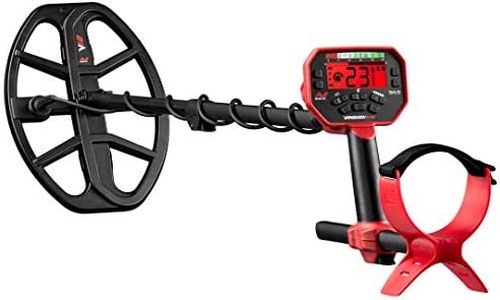

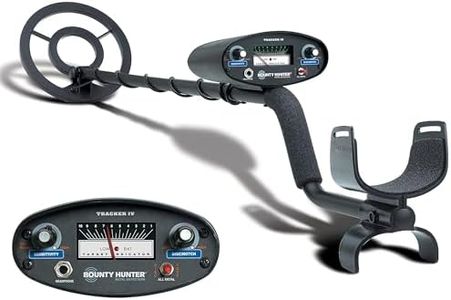
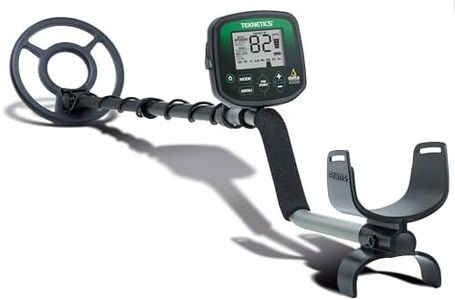

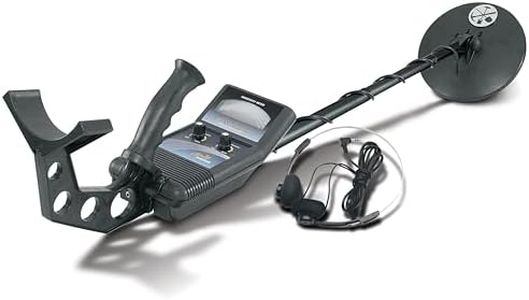

Buying Guide for the Best Beginner Metal Detectors
Choosing your first metal detector can be exciting, but it’s important to focus on a few main features to make sure you get the best experience tailored to your needs. As a beginner, you should look for a device that’s easy to use, reliable, and suitable for the type of detecting you plan to do. Understanding the key specifications will help you pick a detector that is not only enjoyable but also helps you learn the hobby without being overwhelmed by complicated features.Operating FrequencyOperating frequency refers to how many times per second the metal detector sends an electromagnetic signal into the ground. It’s important because different frequencies are better at finding certain types of metals and objects. Lower frequencies penetrate deeper and are good for finding larger objects like coins, while higher frequencies are more sensitive to small, shallow targets like gold nuggets. For beginners, a frequency in the middle range (around 5-15 kHz) offers the best balance and is suitable for most types of basic treasure hunting.
DiscriminationDiscrimination is the detector’s ability to tell different types of metal apart, helping you ignore unwanted items like nails or bottle caps. This is vital as it saves you time and effort digging up trash. Discrimination often comes in the form of simple controls ranging from minimal to more precise settings. For beginners, a device with easy-to-use discrimination features is ideal – it lets you start hunting straight away and learn to fine-tune as you become more experienced.
Ground BalanceGround balance helps the detector ignore minerals in the soil so you don’t get false signals. Some soils are highly mineralized and can interfere with detection. There are usually three types: preset (fixed), automatic, and manual. Preset ground balance is easiest for beginners since the machine adjusts itself; manual and automatic are more flexible but require more skill. If you're starting out, look for a detector with a good preset or automatic ground balance to reduce hassle.
Weight and ErgonomicsWeight and ergonomics describe how heavy the device is and how comfortable it feels during use. This is important because you’ll likely be swinging the detector for long periods. Lightweight models with adjustable shafts and comfortable grips are best for beginners and help prevent arm fatigue. When choosing, consider your strength and how long you plan to search during each outing, aiming for a model that feels balanced and easy to handle.
User InterfaceUser interface refers to how you interact with the machine — the buttons, screen, and overall ease of use. A simple, clear interface is vital for beginners so you’re not bogged down by complicated controls or confusing displays. Look for detectors with intuitive controls, clear labels, and easy-to-read screens. This makes learning and using the detector more enjoyable, helping you focus on the fun of the hunt.
Detection ModesDetection modes are preset settings that help the detector find specific types of items, like coins, jewelry, or relics. These modes adjust the detector’s sensitivity and discrimination for different targets. Beginners benefit from devices with clear, selectable modes – they allow you to start searching right away in the environment you’re most interested in without needing to adjust technical settings manually.