8 Best Bike Helmets For Infants
From leading brands and best sellers available on the web.By clicking on a link to a third party's website, log data is shared with that third party.
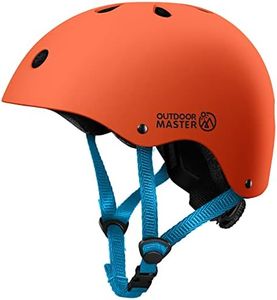
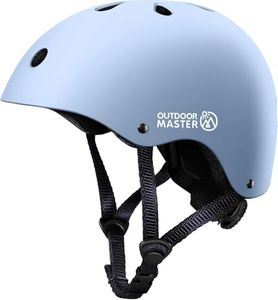
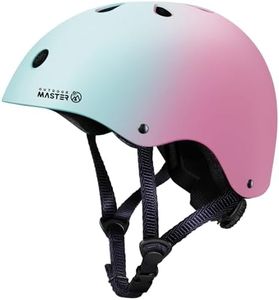

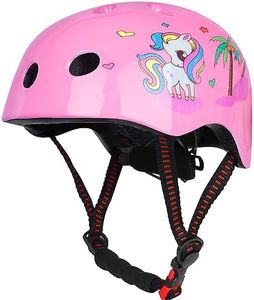
Buying Guide for the Best Bike Helmets For Infants
Choosing a bike helmet for an infant is all about keeping your little one safe, comfortable, and happy during rides. When selecting a helmet, it’s important to consider the features that affect fit, protection, and ease of use. Safety should always be the top priority, but you also want a helmet that your child will tolerate wearing, so they’re protected at all times. Always make sure you pick a helmet designed for infants, as these are constructed with younger children’s unique needs and head shapes in mind.Safety CertificationSafety certification refers to whether a helmet meets official safety standards for impact protection. For infant bike helmets, look for certifications like CPSC (Consumer Product Safety Commission) in the US or CE EN1078 in Europe. This ensures the helmet has been tested to provide adequate protection in case of a fall. Always check for one of these certifications before purchasing—this is not the place to compromise.
Fit and AdjustabilityFit and adjustability means how well the helmet sits on your child’s head and how easily it can be resized as your infant grows. Helmets typically come in different size ranges and use adjustable straps or dials at the back for a snug fit. Proper fit is vital for safety; a helmet that’s too loose or tight can be uncomfortable and less protective. When shopping, measure your child’s head circumference and compare it to the helmet sizing chart. Choose a helmet that offers good adjustability so you can fine-tune it for comfort and security as your infant grows.
WeightThe weight of a helmet is how heavy it feels for your infant. Lightweight helmets are much more comfortable for little ones, reducing strain on their neck and making it more likely they’ll keep it on. Infant helmets are typically among the lightest available, but even minor differences can matter. If your child is particularly small or sensitive, prioritize helmets that specifically mention being ultralight.
VentilationVentilation refers to the number and placement of holes or channels that allow air to flow through the helmet. Good ventilation prevents your child from overheating during rides, especially in warm weather. Helmets with more or larger vents often feel cooler, but they should still provide adequate coverage. If you ride frequently in hot climates, make ventilation a bigger priority.
Strap Design and Buckle TypeThe strap and buckle system keeps the helmet securely on your child’s head. For infants, look for systems with soft straps and easy-to-use buckles, preferably with pinch-free chin protection. Some buckles use magnetic or quick-release mechanisms that are gentle on small chins and easy for parents to operate, which can make putting the helmet on and taking it off a less stressful experience.
CoverageCoverage is how much of your infant's head the helmet protects. Infant helmets are designed to cover more of the back and sides of the head than adult helmets because of differences in proportion and vulnerability. Ensure the helmet sits low on the forehead and covers the back of the head well. This is especially important in case of tip-overs or falls from rear-mounted seats or bike trailers.
Padding and ComfortPadding adds comfort inside the helmet and can help with fit. Look for soft, removable, and washable pads, as infants can sweat or make messes. Adequate padding reduces pressure points, making it more likely your baby will keep the helmet on for the whole ride. If your child fusses about wearing a helmet, extra comfort can make a big difference.