10 Best Bike Seat Cushions
From leading brands and best sellers available on the web.By clicking on a link to a third party's website, log data is shared with that third party.
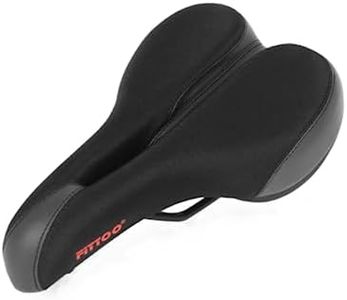
Related Products
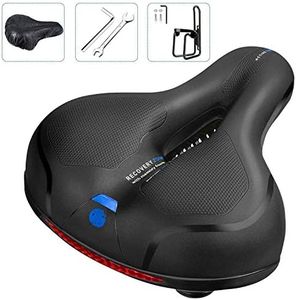
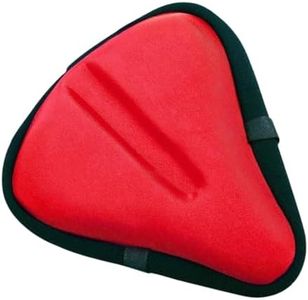
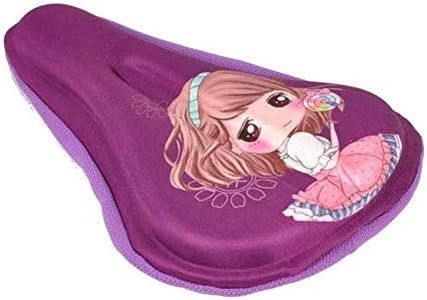
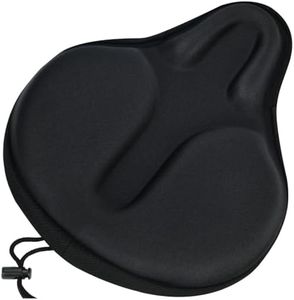
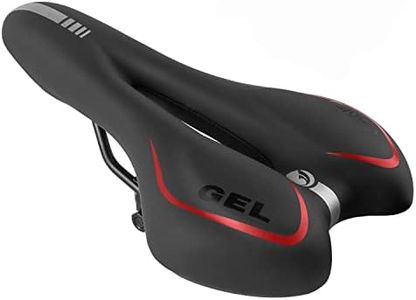
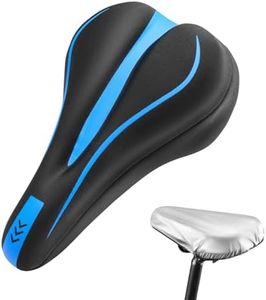
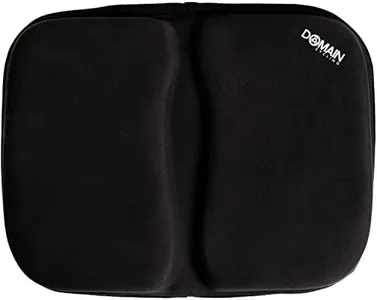
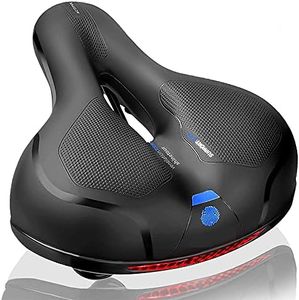
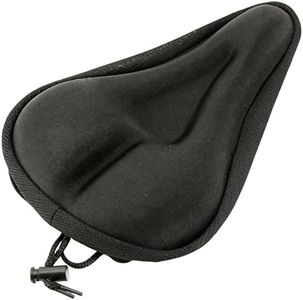
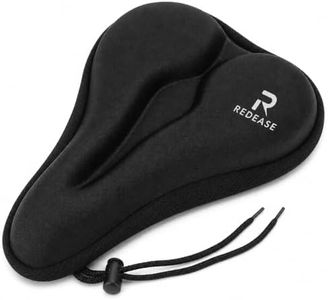
Buying Guide for the Best Bike Seat Cushions
Choosing the right bike seat cushion is all about enhancing your riding comfort. Since everybody has a unique body shape, riding style, and usage pattern, there's no one-size-fits-all solution. To pick the perfect bike seat cushion, you should start by understanding where and how you'll be using your bike—whether you're a daily commuter, a casual weekend rider, or a long-distance cyclist. The type and intensity of your riding, as well as the duration, will play a big role in figuring out which cushion will best support you. Focus on a balance between comfort, support, and durability, keeping in mind how much padding you prefer and the shape that feels best for your body. Try to test out as many options as possible, or read user reviews that match your intended use case. Below are the most important specs and what you need to know about them.Cushion Thickness and Padding TypeThe thickness and type of padding refers to how much material is between you and your bike’s seat—usually gel, foam, or a combination of both. More thickness generally offers softer seating, which can feel great for short or occasional rides, but too much can cause discomfort or chafing on longer rides as you may sink in and lose proper support. Gel pads are prized for their initial softness, ideal for leisurely rides, while dense foam tends to support the rider better over time and is often favored by more frequent cyclists. If you’re new to biking, a medium-thick cushion with a mix of gel and foam is a great starting point, but if you’re riding long distances or at higher intensities, lean toward firmer, denser padding.
Seat Shape and WidthBike seat cushions come in various shapes and widths to accommodate different body types and riding styles. Wider cushions offer more coverage and are better for upright, leisurely riding styles commonly found on city or cruiser bikes. Narrower cushions suit road bikes or performance riding, where the rider leans forward and needs more range of motion. The right width for you depends on your sit bone width—the part of your pelvis that contacts the seat. If you experience numbness or soreness on rides, you may benefit from a different shape. Consider your preferred position: upright riders usually seek wider, more contoured cushions, while leaning riders go for narrower, streamlined options.
Cover MaterialThe cover material is what your body touches directly, and can include synthetic fabric, leather, or waterproof materials. A breathable, moisture-wicking cover is ideal for longer or more intense rides since it helps manage sweat and keeps you comfortable. Waterproof or water-resistant materials are helpful if you expect to ride in the rain or want a cushion that’s easy to clean. If you mostly ride indoors or during dry weather, a soft, non-slip cover adds comfort and security, preventing the cushion from sliding around.
Attachment MethodHow the cushion attaches to your seat is important for both safety and convenience. Most bike seat cushions use elastic straps or drawstring fasteners to secure snugly around the seat. An easy, secure attachment makes installation and removal quick, so you can use the cushion only when needed. For regular use, ensure it fits tightly with no movement during rides. If you switch bikes often, look for a cushion with a simple attachment you can transfer easily.
Ventilation and BreathabilitySome bike seat cushions incorporate ventilation channels, mesh materials, or cutouts to allow air to flow and keep you cooler during rides. This feature can reduce sweat and discomfort, especially on hot days or during intense exercise. If you do long rides, ride in warmer climates, or are prone to overheating, prioritizing a cushion with good breathability can make a significant difference to your comfort. Casual or short-distance riders might not need this feature as much.