We Use CookiesWe use cookies to enhance the security, performance,
functionality and for analytical and promotional activities. By continuing to browse this site you
are agreeing to our privacy policy
10 Best Bikes For Three-Year-Olds
From leading brands and best sellers available on the web.By clicking on a link to a third party's website, log data is shared with that third party.
Related Products
Up to 15% off
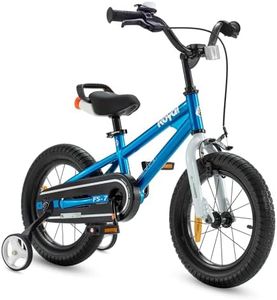
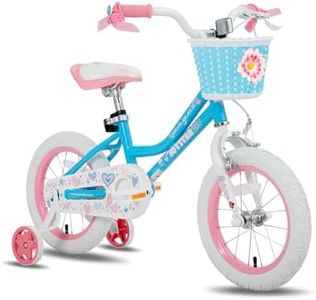
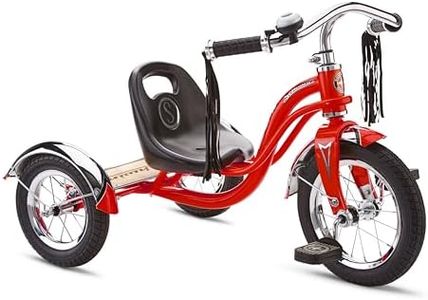
Buying Guide for the Best Bikes For Three-Year-Olds
Choosing a bike for a three-year-old is an exciting step in their growth and independence. The right bike will help build their balance, confidence, and motor skills, while also ensuring safety and comfort. It’s important to focus on features that support young children’s abilities rather than looking for advanced options they won’t use yet. Always remember that the right size and easy-to-use mechanisms are more important than fancy add-ons at this stage.Wheel SizeWheel size typically ranges from 10 to 14 inches for three-year-olds, and is a crucial factor in choosing the right bike. This spec refers to the diameter of the bike's wheels, and it directly affects both the height and stride needed for the child to ride safely and comfortably. Smaller wheels (10-12 inches) are generally easier to handle and better for beginners. Larger wheels (14 inches) may suit taller or more confident three-year-olds or those who are transitioning from balance bikes. Always match the wheel size with the child’s inseam and ensure they can sit with both feet flat on the ground.
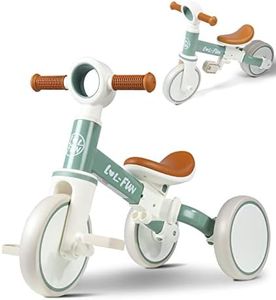
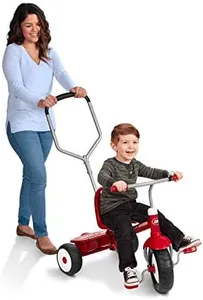
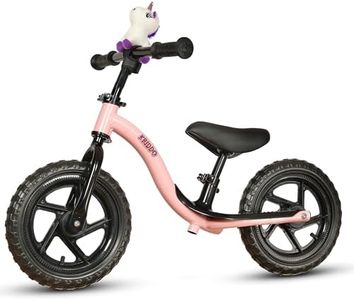
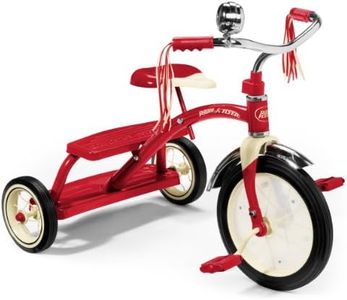
Bike Type (Balance vs. Pedal)For this age group, bikes usually come as balance bikes or ones with pedals and training wheels. Balance bikes do not have pedals and help the child learn to steer and balance, making the transition to a regular bike smoother. Pedal bikes (often with training wheels) allow kids to start pedaling early but may not teach balance as effectively. If your child is new to biking or lacks confidence, a balance bike can help them learn faster. If they have already shown good balance or have used ride-on toys successfully, you might consider a pedal bike.
Weight of the BikeThe weight of the bike determines how easily your child can maneuver and control it. A bike that is too heavy can be difficult for a small child to ride, steer, or pick up after a fall. Most good bikes for three-year-olds are between 10-15 pounds. When choosing, look for the lightest bike that fits your child comfortably, ensuring they can lift or push it without help. Test if your child can manage the bike independently – this is crucial for both skill development and safety.
AdjustabilityAdjustability refers mainly to the seat and handlebar height being able to move up or down. This feature is important because it allows the bike to grow with your child, offering a comfortable and ergonomic position as they get taller. Some bikes have tools-free adjustments, making it easier for parents. Choose a bike where the seat and handlebars can be easily adjusted to match your child’s current height and to provide room for growth over the next year or two.
Braking SystemThree-year-olds' bikes may have coaster brakes (pedal backwards to stop) or hand brakes (squeeze lever on the handlebars). Coaster brakes are easier for beginners and are common on most small bikes. Hand brakes require more coordination and strength but are good for children who are quickly developing those skills. For a three-year-old, a simple and intuitive braking system, like coaster brakes, is usually best. If your child already shows good hand strength and control, a bike with both types may offer helpful practice.
Safety FeaturesFor young children, safety features include things like handlebar padding, chain guards (to keep fingers and clothes clear of moving parts), and rounded edges. These elements minimize the risk of injury from falls or accidental contact with parts of the bike. Make sure the bike has at least a chain guard and no sharp edges, and consider padding if your child tends to be rough when learning new skills.
Build Quality and MaterialsThe material of the frame, typically steel or aluminum, affects both the weight and durability of the bike. Aluminum frames are lighter and rust-resistant but may be pricier, while steel frames are strong but heavier. Good build quality means fewer breakdowns and a smoother ride. Check for sturdy welds, solid tires, and overall good construction. Choose a bike that feels robust but not too heavy for your child.