9 Best Boat Windlasses
From leading brands and best sellers available on the web.By clicking on a link to a third party's website, log data is shared with that third party.
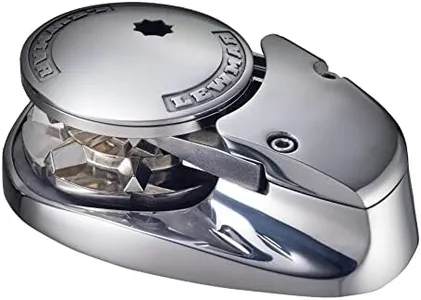
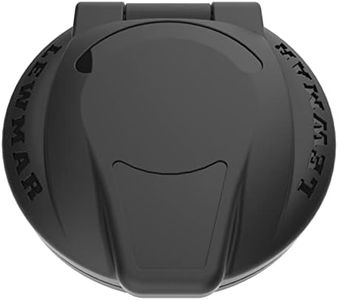
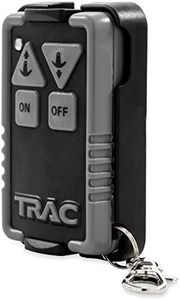
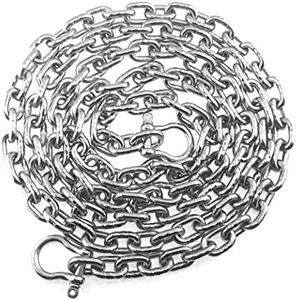
Buying Guide for the Best Boat Windlasses
Choosing the right boat windlass is important for smooth and reliable anchoring. A windlass is the device that helps raise and lower your anchor with minimal effort, making it an essential part of your boating experience, especially for larger boats or when dealing with heavier anchors. To get the best windlass for your needs, focus on a few key specifications that affect performance and compatibility with your boat. Understanding these will help you navigate the choices and ensure you pick a model that handles your anchor and chain smoothly, fits your boat's setup, and suits your typical boating conditions.Type (Horizontal vs Vertical)The type of windlass refers to the orientation of the mechanism: horizontal windlasses have the motor above deck, while vertical windlasses have the motor below deck. This spec matters because it affects installation space and deck layout. Horizontal windlasses are easier to install and maintain, suitable for boats with limited below-deck space, but they can take up more deck area. Vertical windlasses offer a neater deck look and better chain alignment but need more space below deck for installation. To decide, evaluate your available space above and below the deck, and consider which option will best fit your boat’s layout and anchoring habits.
Maximum Pulling PowerThe maximum pulling power indicates the strongest force the windlass can apply to lift your anchor and chain. This spec is very important because your windlass must be powerful enough to handle the weight of your anchor, the chain, and any additional force from currents or wind. Pulling power is often categorized into lighter-duty, medium-duty, and heavy-duty. Lighter options may lift smaller anchors for smaller or recreational boats, while heavy-duty windlasses suit larger vessels or challenging anchoring conditions. Assess the combined weight of your anchor and rode, and ensure the windlass you choose offers adequate pull—going a little higher than your calculated minimum will give you extra safety and reliability.
Chain Size and Rope CompatibilityNot all windlasses can handle every size of anchor chain or rope; compatibility with your existing anchor rode is essential. Chain size compatibility ensures that the windlass will grip and move your chain smoothly without damage or slipping. Rope/chain combination windlasses need to be matched to the diameter and type of rode you use. Values are typically split into small (for light-duty and smaller boats), medium, and large sizes. Look at your current anchor chain or rope, check their measurements, and select a windlass designed to fit those exact sizes for safe and efficient operation.
Material and Corrosion ResistanceWindlasses are exposed to harsh marine environments, so their material plays a big role in how long they last and how well they perform. Materials include stainless steel, aluminum, and sometimes composite or coated metals. Stainless steel offers excellent corrosion resistance and durability, especially in saltwater, but can be heavier and more costly. Aluminum is lighter but less durable over many years in salty conditions. Choose a windlass made from materials that match your operating environment: if you boat in saltwater, prioritize corrosion resistance; for freshwater or occasional use, lighter materials may be sufficient.
Power Source (Manual, Electric, Hydraulic)Windlasses operate either manually (by hand) or using motorized power, with electric and hydraulic as common options. Manual windlasses are simple, reliable, and require no external power, but are best for smaller boats and lighter anchors. Electric windlasses are popular for their ease of use and quick operation, powered by your boat's battery. Hydraulic windlasses offer more power, are quieter, and suit larger vessels or frequent heavy use, but require a compatible hydraulic system. Choose a power source that matches your boat size, your ability/preference for manual labor versus convenience, and your boat’s available systems.