We Use CookiesWe use cookies to enhance the security, performance,
functionality and for analytical and promotional activities. By continuing to browse this site you
are agreeing to our privacy policy
10 Best Boys Lacrosse Stick
From leading brands and best sellers available on the web.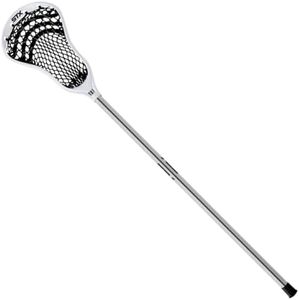


Related Products


Recommended lists
Top rated
Lacrosse Sticks
Buying Guide for the Best Boys Lacrosse Stick
Choosing the right boys' lacrosse stick can make a big difference in how enjoyable and effective the game is for a young player. The stick needs to suit not just the player's size and position but also their skill level. It's important to pay attention to the core features of the stick and understand how each part affects handling, control, and performance. Knowing what each key aspect means can help in choosing a stick that matches the player's style while helping them improve and enjoy the game.Stick LengthStick length is simply how long the lacrosse stick is from end to end. This matters because different positions use different length sticks: attackers and midfielders usually play with shorter sticks for easier handling and control, while defenders use longer sticks to reach and block opponents. Beginners generally do best with a stick length that matches their height—tall enough for comfort, yet short enough to handle easily. For youth players, shorter sticks usually allow better learning and control. Measure the stick against the player’s body; for most, this means the stick should reach roughly from the ground to their hip for attackers and midfielders.
Head Shape and SizeThe head of a lacrosse stick is the plastic piece at the end where the ball sits and is thrown from. The shape and width of the head impact catching, passing, and scooping up ground balls. Wider heads make it easier to catch and scoop, which is good for beginners, while narrower heads offer better ball control and are often preferred by more advanced players. For a beginner or younger player, a wider head is typically the best fit since it makes the game easier to learn.
Pocket Type & DepthThe pocket in a lacrosse stick is the woven mesh or stringing inside the head where the ball rests. Pocket depth refers to how deep the ball sits in the pocket. A deeper pocket can help with ball control and cradling but can make it harder to pass quickly, while a shallower pocket allows for faster releases but less ball security. Beginners usually benefit from a medium pocket that offers a good balance of control and ease of passing. For a new player, look for factory-strung options as they often provide a reliable, regulation setup.
Stick MaterialLacrosse sticks are typically made of composite, aluminum, or other lightweight metals. The material influences the stick’s weight, strength, and feel. Aluminum sticks are very lightweight and good for younger players who need easy handling, while composite materials may be slightly heavier, offering more durability and sometimes a better grip. For most boys starting out, choosing a lightweight stick will help them handle and learn the game without getting tired easily.
Grip and Handle (Shaft) TextureThe grip of a lacrosse stick refers to how the handle feels in the player's hands. Shafts can be smooth or have textured surfaces for better hold. Some have rubberized coatings or specific shapes to help prevent slipping. If a player tends to have sweaty hands or plays in wet conditions, a stick with extra grip or a textured handle can give more control. Beginners usually do well with a slightly textured or rubberized handle for comfort and confidence.
Stick WeightThe weight of the stick affects how fast and easily a player can move it. Lighter sticks are generally better for beginners and younger players because they allow for quicker reactions and easier handling. Heavier sticks can add power but may be tiring for those who are just learning or don’t have much arm strength yet. Look for a stick that feels comfortable and manageable when held for a few minutes—this helps ensure the player can practice and play without fatigue.