10 Best Breastfeeding Pacifier
From leading brands and best sellers available on the web.By clicking on a link to a third party's website, log data is shared with that third party.
Related Products
Up to 30% off
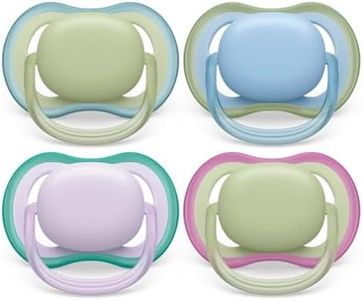
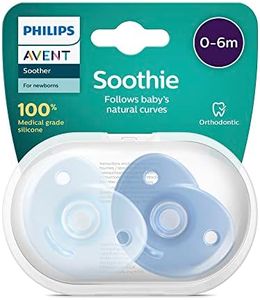
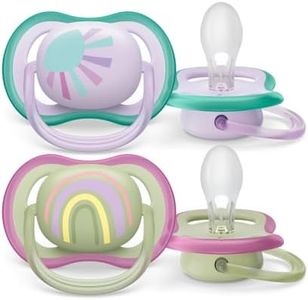
Buying Guide for the Best Breastfeeding Pacifier
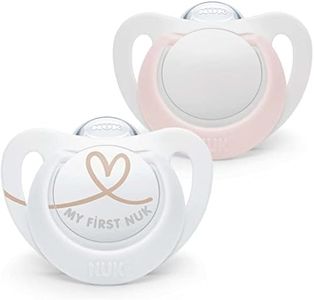
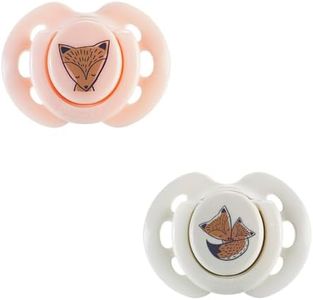
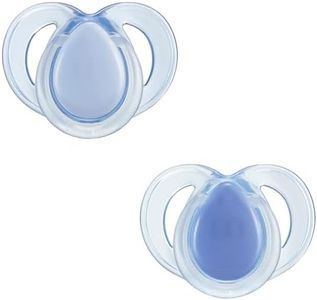
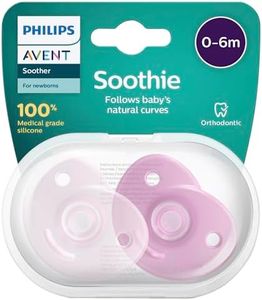
Choosing a breastfeeding-friendly pacifier is important for both the comfort of your baby and your peace of mind as a parent. The right pacifier can help soothe your baby while supporting healthy oral development and minimizing nipple confusion, which is a concern for breastfeeding mothers. When shopping for a pacifier, it’s helpful to understand the key features so you can choose one that matches your baby's age, comfort needs, and your own breastfeeding goals.Nipple ShapeNipple shape refers to the part of the pacifier that the baby suckles on, and it's important because it can affect how readily your baby accepts the pacifier and whether it interferes with breastfeeding. Pacifier nipples generally come in orthodontic (flat on one side) or round (ball-shaped) forms. Orthodontic designs are intended to align with the baby's developing mouth and may reduce pressure on the gums and teeth, while round nipples more closely mimic the shape of a breastfeeding nipple. If you are concerned about nipple confusion, you might consider a pacifier with a round nipple designed to feel similar to the breast, especially for younger infants. For older babies or those with established breastfeeding habits, orthodontic shapes can also be a good fit. Your baby's preference may also play a role, so you may need to try a couple of types to see which is most accepted.
Nipple MaterialNipple material is the substance the sucking part of the pacifier is made from, and it matters for durability, safety, and comfort. Pacifiers are commonly made from silicone or latex. Silicone is firmer, longer-lasting, and less likely to retain odors, while latex is softer and more flexible but may wear out faster and can cause allergies in some babies. Babies who are just beginning to use a pacifier or who are used to the softer feel of a breast may adapt more easily to latex, but for longevity and easy cleaning, silicone might be better, especially if your baby chews vigorously. Consider any sensitivities or preferences your baby shows when selecting which material to try.
Size and Age RangeThe size and age range of a pacifier indicates which stage of development it’s best suited for, which is crucial for both safety and effective soothing. Pacifiers are usually labeled for newborns (0-3 months), infants (3-6 months), or older babies (6-18 months). Using the appropriate size ensures the pacifier fits your baby's mouth properly and reduces the risk of choking or dental issues. Choosing based on your baby’s age and checking the fit in their mouth is the best way to get the right one, as a pacifier that is too large or too small can be uncomfortable and potentially unsafe.
Shield DesignThe shield is the part of the pacifier that keeps it from being swallowed and rests against the baby’s mouth. Its design is important for comfort and to minimize skin irritation. Look for a shield that is large enough to prevent the pacifier from being a choking hazard but lightweight and shaped to sit comfortably against your baby’s face. Some shields have air vents to prevent saliva from building up and causing rashes. If your baby develops redness or irritation around their mouth, you may want to switch to a pacifier with a different shield style or with more ventilation.
One-Piece vs Multi-Piece ConstructionThis specification tells you whether the pacifier is made from a single molded piece or several pieces assembled together, which can impact hygiene and safety. One-piece pacifiers are less likely to break apart and harbor bacteria in cracks, making them easier to clean and generally safer for young babies. Multi-piece pacifiers can have more features but may require extra care in cleaning. For newborns and babies who frequently drop their pacifiers, a one-piece design can be the safer and easier option, while older babies might manage well with either.
Ease of CleaningKeeping a pacifier clean is essential for your baby’s health, so how easy it is to wash matters. Some pacifiers can be boiled or placed in a dishwasher for sterilization, while others may require hand washing. If you want to minimize effort, look for pacifiers that specifically state they are dishwasher-safe or can withstand boiling water. If your baby uses pacifiers frequently, having a design that’s easy to clean quickly will help you keep up with hygiene demands.