10 Best Budget Binocular
From leading brands and best sellers available on the web.By clicking on a link to a third party's website, log data is shared with that third party.
Related Products
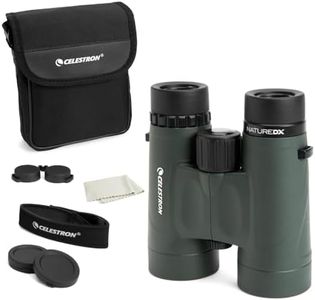
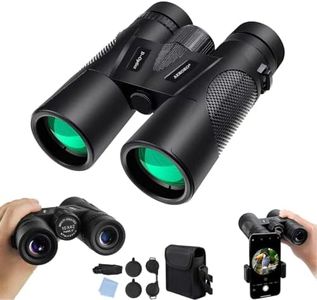
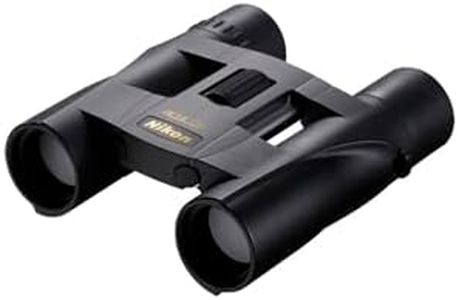
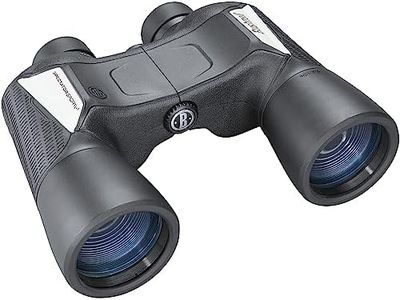

Recommended lists

Top rated
Binoculars
Buying Guide for the Best Budget Binocular
When choosing binoculars, it's important to think about how and where you'll use them. Will you be birdwatching, hiking, attending sports events, or just needing something lightweight for travel? The right pair can make a big difference in clarity, comfort, and enjoyment. Focus on understanding the main features; this will help you pick binoculars that truly suit your needs rather than just going by price or brand.MagnificationMagnification is the first number you often see, like '8x42', and it tells you how many times closer the object appears compared to the naked eye. Higher magnification brings things closer, which seems great, but it also narrows the field of view and makes the image shakier if you don't have steady hands. For everyday use or beginners, 7x or 8x is usually great because it balances closeness with ease of use. Go for more (like 10x) if you're focusing on distant objects and are OK with a smaller, shakier image, or if you plan to use a tripod. Think about where you'll use them and choose based on the balance of zoom and stability you prefer.
Objective Lens DiameterThe second number, like the '42' in '8x42', refers to the diameter of the front lens in millimeters. A larger diameter lets in more light, making images brighter and clearer, especially in low light conditions. For daylight use, a diameter of 25 to 32mm is usually enough and keeps binoculars light and compact. For early morning, late afternoon, or shaded areas, 40 or 42mm gives you a brighter image but makes the binoculars bulkier. Consider how much brightness matters to you and whether you're OK carrying something a bit heavier for better light.
Field of ViewThe field of view tells you how wide an area you can see through the binoculars, usually measured in feet at a certain distance. A wider field of view makes it easier to track moving things like birds or players in sports, while a narrower view can make it easier to focus on something specific. Lower magnification usually means a wider field of view. If you plan to watch fast-moving subjects or want to scan landscapes, a wider field is better. For detailed viewing of stationary objects, a narrower field is fine.
Size and WeightSize and weight influence how comfortable it is to carry and use binoculars, especially if you’ll be outdoors for a while or need to pack light. Compact binoculars are lightweight and easy to carry, great for travel and casual use, but they can let in less light. Full-size binoculars are heavier but often provide a brighter, more stable image. Think about how much walking or carrying you’ll do—if you value portability, go smaller; if image brightness and comfort are priorities, a larger model works well.
Water ResistanceWater resistance protects your binoculars from rain, splashes, or accidental drops in water. Waterproof or water-resistant models are helpful if you’ll use them in unpredictable weather or outdoors. If you’re mostly indoors or in dry conditions, this might matter less. But for hiking, boating, or birdwatching, it’s a valuable feature for protecting your investment and ensuring longevity.
Eye ReliefEye relief measures how far your eye can be from the eyepiece and still clearly see the full image, which is especially important if you wear glasses. Long eye relief, usually 15mm or more, allows glasses-wearers to use binoculars comfortably. If you don’t wear glasses, standard eye relief is fine. If you do, make sure to choose binoculars with enough eye relief listed in the specs.
Focusing MechanismMost binoculars have a central focus wheel and a separate adjustment for one eyepiece (the diopter) to fine-tune for eyesight differences. Some offer individual focusing on each eyepiece. Central focusing is easiest and quickest for casual use. For simple, everyday or beginner use, stick with central focusing. If you need binoculars for fixed distances, individual focus might suit you better.