10 Best Budget Dash Cam
From leading brands and best sellers available on the web.By clicking on a link to a third party's website, log data is shared with that third party.
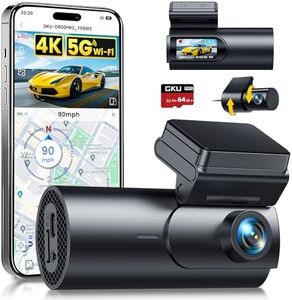
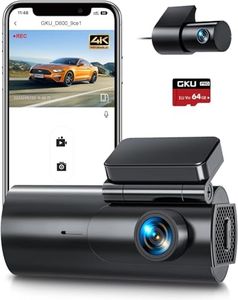
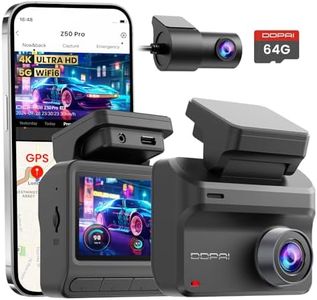
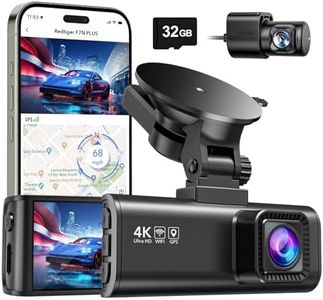
Related Products
Up to 39% off
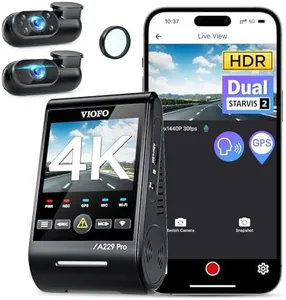
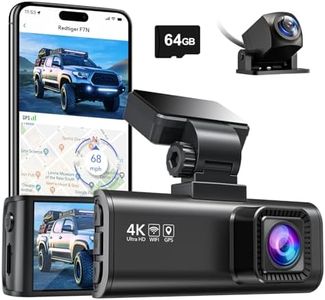
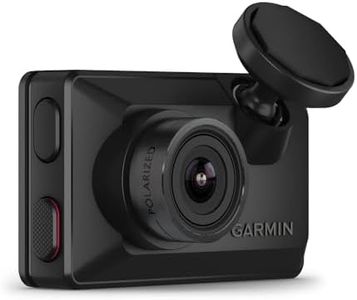
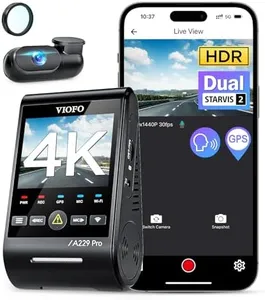
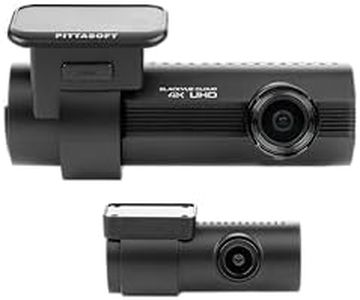
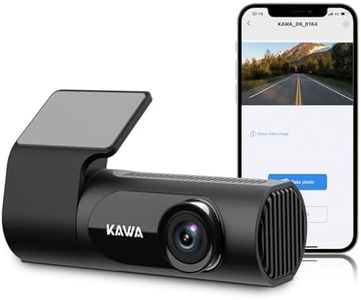
Buying Guide for the Best Budget Dash Cam
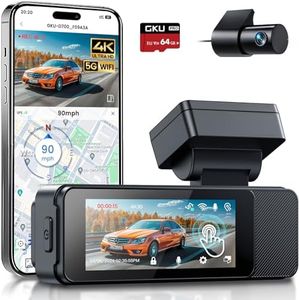
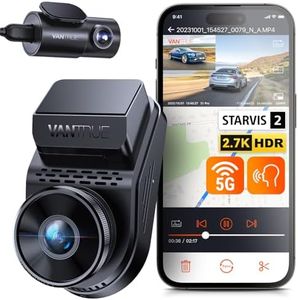
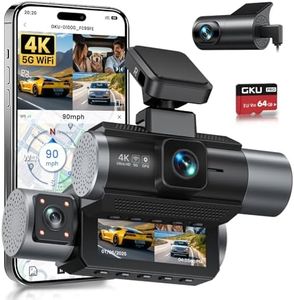
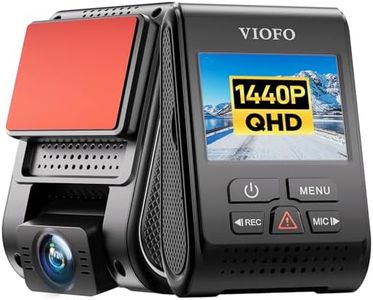
Choosing a budget dash cam is a smart way to add security and peace of mind while driving, without spending a lot. The goal is to find one that covers your needs—like recording clear evidence in case of incidents, fitting well in your car, and working reliably every day. Even on a budget, you want to find the right balance of essential features, good design, and dependable quality so that your dash cam does its job when you need it most.Video ResolutionVideo resolution refers to the clarity and detail of the footage recorded by the dash cam, and it’s usually measured as 720p, 1080p (Full HD), or 1440p and above. Higher resolutions capture more detail, which can be crucial when trying to read license plates or see faces in recorded video. Generally, 720p is the basic level and may look grainy; 1080p is the standard choice and gives good, clear results for most drivers; while 1440p and above provide even sharper images but might cost more. For everyday use and clear recordings, 1080p is a sweet spot for budget dash cams. Only consider lower than that if absolutely necessary.
Field of View (FOV)The field of view is how wide an area the camera can see and record, measured in degrees. A smaller value (like 90°) frames a narrow slice, focused mostly ahead, while mid-range values (110°–130°) capture most of the roadway and surroundings, and wide angles (over 140°) show both the road and more of the sides. Too wide a view can distort the image and lower video detail at the edges, but too narrow can miss important events on the roadside. For most drivers, a field of view between 120° and 140° gives a good balance—covering the entire lane and both shoulders, which is usually enough for typical commutes and city driving.
Recording Loop and StorageLoop recording allows the camera to keep working even when the memory card is full—it automatically overwrites the oldest files, so you always have the latest footage. Storage is how much video you can actually save, which depends on the card capacity the dash cam supports, usually ranging from 32GB to 128GB. Smaller cards fill up faster, so you'll have less time before older footage is erased. For daily drivers, a 32GB–64GB card with loop recording is generally enough, as it records several hours before overwriting. If you make long trips often, aim for a dash cam that supports larger cards.
Night VisionNight vision means how well the dash cam records in low light or at night, using special sensors or infrared help. Good night vision ensures your recordings are clear even on dark roads or poorly lit streets, which is vital for capturing events after sunset or in parking lots. Basic night vision will mean some graininess but you can still make out key details; better night vision produces clearer images with more visible detail. If you drive a lot at night, pick a dash cam that highlights its night vision ability. For mainly daytime drivers, basic night vision usually suffices.
Parking ModeParking mode is a feature that lets the dash cam monitor your car while parked, recording automatically if it senses movement or an impact. There are simple versions that turn on only when there’s a bump, and more advanced ones that record continuously or start with any motion. This is especially useful if you’re concerned about vandalism or hit-and-run incidents when parked. If you often leave your car in public lots or unfamiliar areas, a dash cam with some form of parking mode offers extra peace of mind. If you mostly use private parking, this feature is less important.
Mounting and SizeHow a dash cam mounts—by suction cup or adhesive pad—and the size of the device affect how easy it is to set up and whether it stands out in your windshield. Smaller models are less noticeable and reduce the risk of theft, while larger ones may offer bigger screens but can obstruct your view. Mounting should be secure and easy to remove if you need to relocate or hide the dash cam. If you value discretion and a tidy setup, go for a compact dash cam with a reliable mounting system.