10 Best Budget Running Headphones
From leading brands and best sellers available on the web.By clicking on a link to a third party's website, log data is shared with that third party.
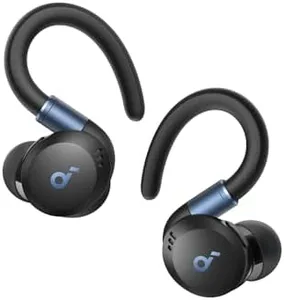
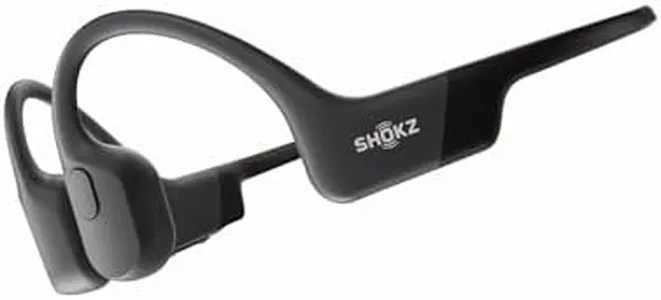
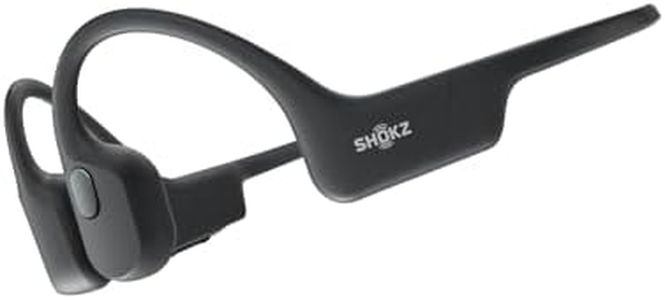
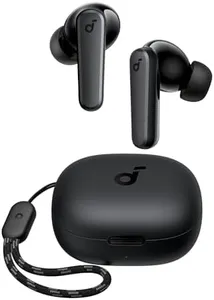
Related Products
Up to 64% off



Buying Guide for the Best Budget Running Headphones
Choosing running headphones is about more than just sound quality—it's about comfort, stability, durability, and how well they fit your specific running style. With the right guidance, you can find headphones that make your exercise more enjoyable without fuss or distraction. Focusing on the main features and knowing what each means for your experience will help you pick a great pair that matches your needs.Fit and ComfortFit and comfort refer to how well the headphones stay on your ears and how comfortable they feel during extended use. For running, this is a crucial spec because movement can easily cause poorly fitting headphones to fall out or create irritation. Headphones typically come in in-ear, on-ear, and over-ear forms. In-ear options often use ear hooks or wings for extra stability and are especially popular among runners. To pick the right fit, think about your typical run duration and intensity—longer or more intense sessions require secure, comfortable headphones that won’t need frequent adjustment.
Water and Sweat ResistanceWater and sweat resistance is about how well the headphones can withstand exposure to moisture, which is inevitable during exercise. This is usually measured by an IP (Ingress Protection) rating. IPX4 means they're safe from sweat and light rain, while higher ratings like IPX7 can handle heavy sweat and even being briefly submerged. For most runners, at least IPX4 is essential, but if you run in heavy rain or sweat a lot, look for something with a higher rating to ensure longevity.
Battery LifeBattery life tells you how long the headphones will work before needing a recharge. Runners with shorter workouts (under an hour) might not need a long battery life, but if you train for distance or don't want to charge your headphones often, look for models that last at least 6-8 hours. True wireless earbuds sometimes come with a charging case for extra usage time. Matching battery life to your workout habits ensures you never cut a run short for lack of power.
Stability and SecurityStability means how well the headphones stay in place while you move, which is vital for interruption-free running. Some headphones have ear hooks, fins, or adjustable bands designed for sports. If you find that regular earbuds often fall out, prioritize stability features in your search. Your running style (speed, head movement, use of hats or sunglasses) can help guide you—choose the system that matches your motion for a distraction-free session.
Sound Quality and AwarenessSound quality concerns how clear and enjoyable your music or podcasts sound, while ‘awareness’ is about your ability to hear your surroundings—vital for safety. Some headphones focus on isolating you from external noise, while others (like bone conduction or open-ear designs) let you stay more aware of what’s around. If you run in urban or shared spaces, having awareness might be more important than deep bass or total sound isolation. Decide how much outside noise you need to hear and choose accordingly.
Controls and UsabilityControls and usability cover how you pause music, change tracks, or answer calls while running. Some headphones have physical buttons, while others have touch panels. Physical buttons can be easier to use when sweating, but touch controls might feel more modern. If you want to adjust music or take calls without stopping, choose the control method that feels most intuitive and reliable for you.
Wireless ConnectivityWireless connectivity describes how the headphones connect to your phone or music player—most running headphones use Bluetooth. Higher Bluetooth versions tend to mean a more stable connection and lower chance of dropouts. If you regularly carry your phone far from your body (like in a backpack), look for more robust connectivity. For most runners, any modern Bluetooth connection works fine as long as your device is close.