10 Best Butcher Papers
From leading brands and best sellers available on the web.By clicking on a link to a third party's website, log data is shared with that third party.
Related Products
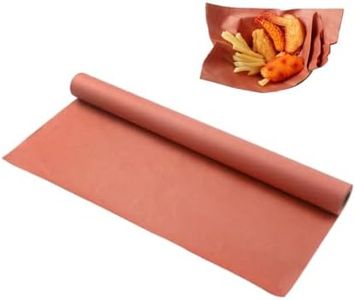
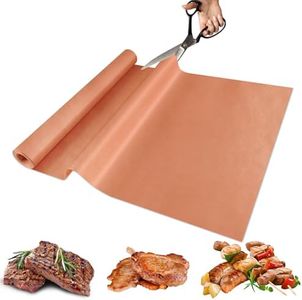
Buying Guide for the Best Butcher Papers
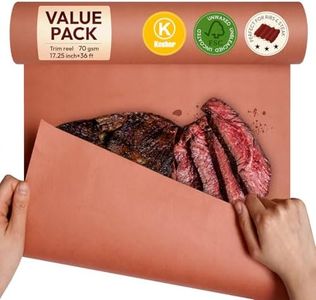
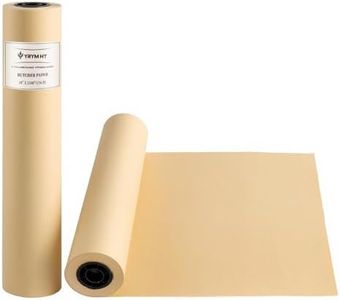
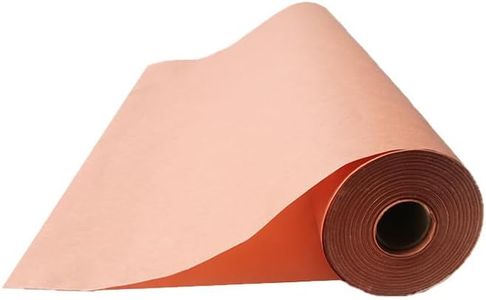
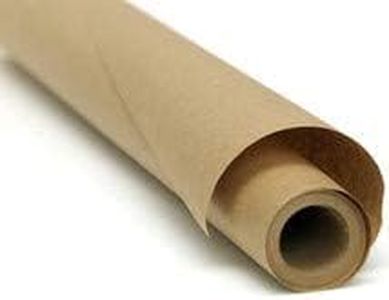
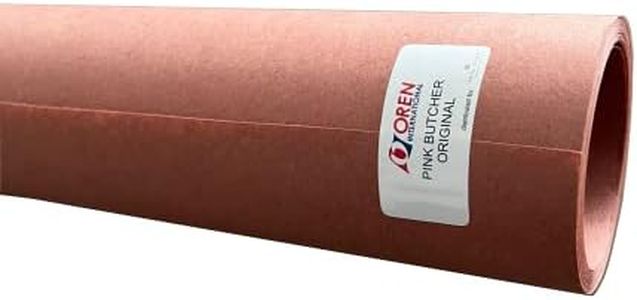
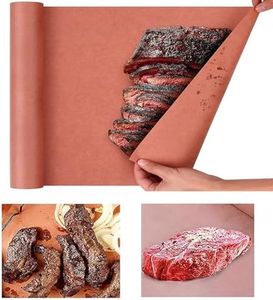
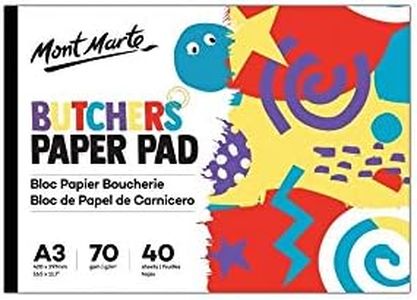
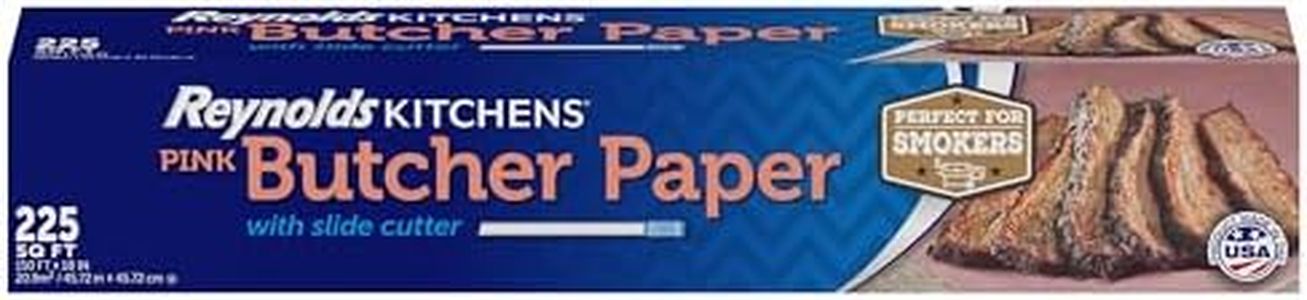
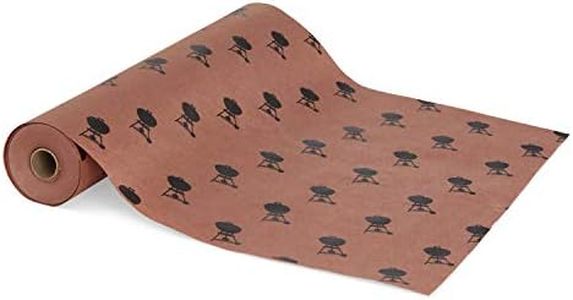
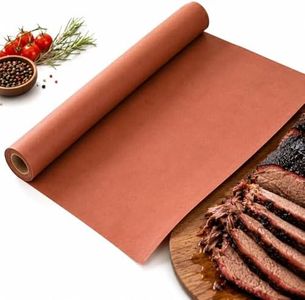
When choosing butcher paper, it's important to understand what you'll be using it for—such as wrapping meat for smoking, storing fresh cuts, or for artistic/craft purposes. The type of butcher paper you select will influence the outcome of your food preparation or your project's quality. By paying attention to key features, you can select a paper that performs effectively for your needs.Material TypeButcher paper can be made from various types of wood pulp that result in different textures and strengths. The most common kinds are pink (often called 'peach treated'), white, and brown. Pink butcher paper is popular for smoking meat because it breathes but doesn’t tear easily. White butcher paper is commonly used for hygienic food service displays while brown is generally thicker and used for crafts or heavier-duty wrapping. Choosing the right material is about considering what you'll do with the paper: for grilling and smoking, pink is usually best; for crafts or general wrapping, brown is more appropriate; for deli or retail displays, white is the usual choice.
CoatingSome butcher papers come coated with wax or polyethylene, while others are uncoated. Uncoated papers are more breathable and better suited for smoking or grilling since they won’t trap moisture and interfere with developing a bark on meats. Coated papers are moisture-resistant, making them better for storing wet or juicy foods. Decide based on your main use: uncoated for airflow and cooking, coated for wet food storage.
Paper Weight (Thickness)Measured most often in pounds (like 40 lb, 50 lb, etc.), the paper's thickness determines how strong and resistant it is to tearing or soaking through. Thicker paper is sturdier and holds up to heavy or wet foods, while lighter weights work well for short-term wraps or art projects. Think about how much handling your package or art will go through; for smoking brisket, a thicker weight is preferred, while for short display or crafts, a lighter paper is sufficient.
Width and LengthButcher paper is sold in various widths and roll lengths. Wider paper is useful for wrapping larger cuts of meat or covering big surfaces, while narrower widths may suffice for small items or detailed crafts. Roll length determines how long your supply will last. Consider what size items or areas you'll wrap most often to pick the most practical width and length for you.
Food-Safe CertificationWhen working with food, it's essential that the paper be FDA-approved or certified food-safe. This ensures there are no harmful chemicals in the paper that could contaminate your food. If you’re using butcher paper for cooking or storing edibles, always check for food-safe certification. For crafts, this may not be as critical.