10 Best Butter Churns
From leading brands and best sellers available on the web.By clicking on a link to a third party's website, log data is shared with that third party.

Related Products
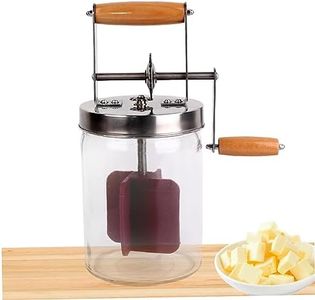
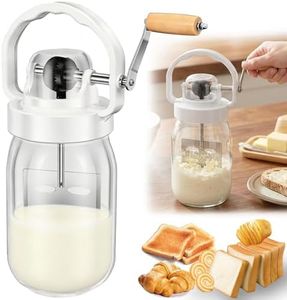


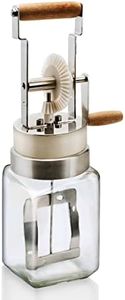

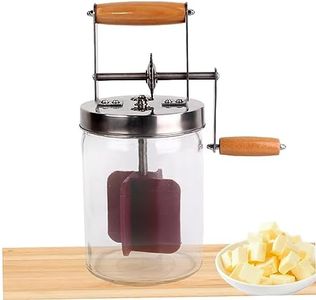
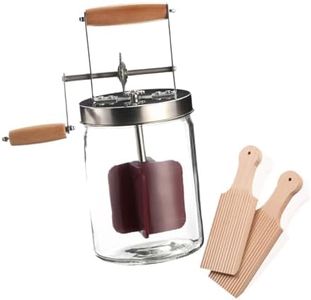
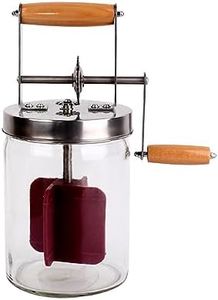
Buying Guide for the Best Butter Churns
When choosing a butter churn, it's all about matching your kitchen habits and preferences with the right type and size of equipment. Think about how often you want to make butter, the amount you usually need each time, and how hands-on you want to be during the process. Butter churns range from traditional hand-cranked styles to modern electric models, and even simple jar designs, so your choice will impact both the effort and joy of butter-making at home.Type of ChurnThis refers to the overall style and mechanism of the butter churn, such as hand-cranked, paddle, plunger, jar, or electric. Each type offers a unique experience and suits different needs. Hand-cranked and paddle models give you a traditional feel and let you control the churning, but they require more physical effort. Jar and plunger churns are simple and straightforward—great for small batches and occasional use. Electric churns automate the process, making them ideal for frequent butter-making or larger amounts. To pick the right one, decide whether you want the manual experience or the convenience of automation, and consider how much butter you'll usually make.
CapacityCapacity means how much cream the churn can hold and turn into butter in one go. This is an important consideration if you regularly make butter for a family or gatherings, or just for yourself. Small-capacity churns (under 1 liter) are suitable for individuals or couples. Mid-range churns (between 1 to 3 liters) work for most families, while larger churns (above 3 liters) are better for frequent use or making butter in bulk. Your usual butter needs and storage space should guide your choice here.
MaterialThe material of a butter churn affects its durability, ease of cleaning, and sometimes even the butter flavor. Common materials include glass, stainless steel, wood, and ceramic. Glass is easy to clean and lets you watch the process, but can break. Stainless steel is sturdy and hygienic, while wood offers an authentic touch but can be harder to clean and maintain. Ceramic is attractive but fragile. Choose a material that matches your kitchen style, maintenance preferences, and how carefully you use your kitchen tools.
Ease of CleaningAfter making butter, you'll want a churn that's easy to take apart and clean, since milk solids and butterfat can stick in crevices. Designs with fewer, larger parts are usually easier to clean—something to consider if you plan to use your churn often. If you dislike scrubbing by hand or have limited cleaning time, look for churns with dishwasher-safe pieces or accessible interiors. Your patience for post-churning cleanup will be your biggest guide.
Churning MechanismThis is about how the cream is agitated to turn it into butter. The two main forms are manual and electric. Manual options like hand cranks or plungers need human effort and may take longer, but they give a satisfying, hands-on feel. Electric options do the work for you and are more consistent, which is great for big batches or quick results. If you want to feel connected to the process or make small amounts, manual may suit you. If you prioritize convenience and speed, electric is likely best.