10 Best Camcorder Vlogging Cameras
From leading brands and best sellers available on the web.By clicking on a link to a third party's website, log data is shared with that third party.

Related Products
Up to 33% off
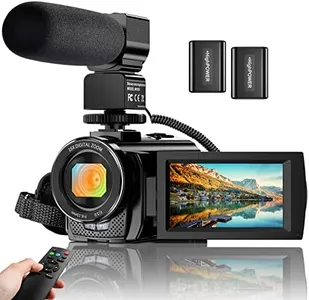
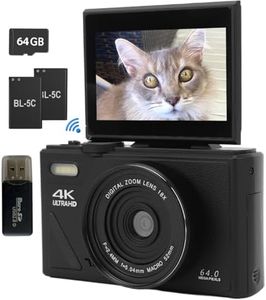
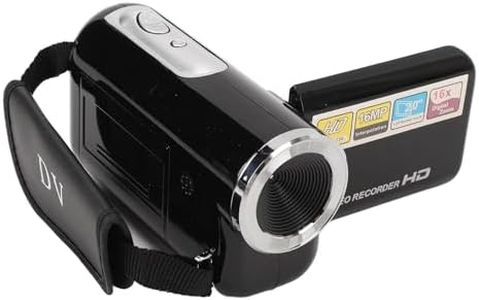

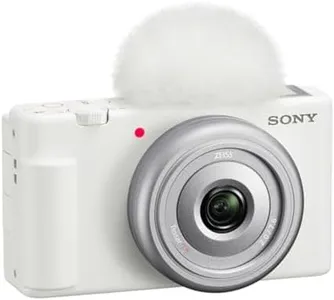

Buying Guide for the Best Camcorder Vlogging Cameras
When choosing a camcorder or vlogging camera, it's important to focus on how you plan to create your content. Think about where you'll film (indoors, outdoors, low light, etc.), how portable and easy to use you need the camera to be, and what features will make your filming and editing process smoother. It's also helpful to imagine your typical vlogging scenario: are you filming yourself while moving, talking to the camera in a fixed setup, or capturing action? Identifying your main usage will help you pick out which features and specs matter most for you.Video ResolutionVideo resolution refers to the amount of detail your camera can capture—commonly listed as 1080p (Full HD), 4K, or sometimes 8K. Higher resolution means sharper, clearer footage, but also larger file sizes and sometimes more demanding editing. If you're uploading mainly to social media or YouTube and want good sharpness, 1080p is often enough; if you're aiming for top-level quality or want to future-proof your recordings, 4K is a smart pick. Choose the resolution based on where your videos will be shown and how much editing power you have.
Autofocus PerformanceAutofocus is the camera's ability to keep subjects clear and sharp, even if they or you move. Fast and accurate autofocus makes filming yourself much easier, especially if you move around in front of the camera. Some cameras have face-detection or even eye-tracking, which is extra helpful for vlogging. If you film a lot of action or want to shoot solo without worrying about blurry clips, look for cameras with advanced autofocus features.
Microphone InputGreat sound is just as important as great video. A microphone input allows you to use an external microphone, significantly improving your audio quality compared to built-in mics. This is especially valuable in noisy environments or if you want professional-sounding voiceovers. If you care a lot about audio, or plan to vlog outdoors or in busy places, make sure your camera has a microphone input.
Screen Type (Articulating/Flip Screen)An articulating, flip-out, or tilting screen lets you see yourself while filming, which is crucial for solo creators. This feature helps you check your framing and focus without needing another person behind the camera. If your vlogs mainly feature you in front of the lens, having a flip screen makes it much easier to check your shot and adjust on the go.
Portability and SizeHow portable a camera is can impact how easily you carry it with you. Smaller, lighter cameras are great for handheld vlogging, travel, or long filming sessions, while larger ones may offer more features but are heavier and more noticeable. Think about whether you'll mostly be filming at home or taking your setup out and about, and choose a camera size that fits your style and comfort level.
Battery LifeBattery life tells you how long you can record before needing a recharge or battery swap. Longer battery life is vital if you film longer sessions or can't frequently charge up. Some cameras let you power them by USB, which is handy for longer stationary sessions. Pick a camera with good battery life if endurance is key to your shooting style.
Image StabilizationImage stabilization helps reduce shakiness in your videos, making handheld shots smoother and more watchable. This can be built into the camera, lens, or both. If you often walk and talk, or shoot without a tripod, strong stabilization is very helpful for creating professional-looking footage.