10 Best Camping Saws
From leading brands and best sellers available on the web.By clicking on a link to a third party's website, log data is shared with that third party.

Related Products

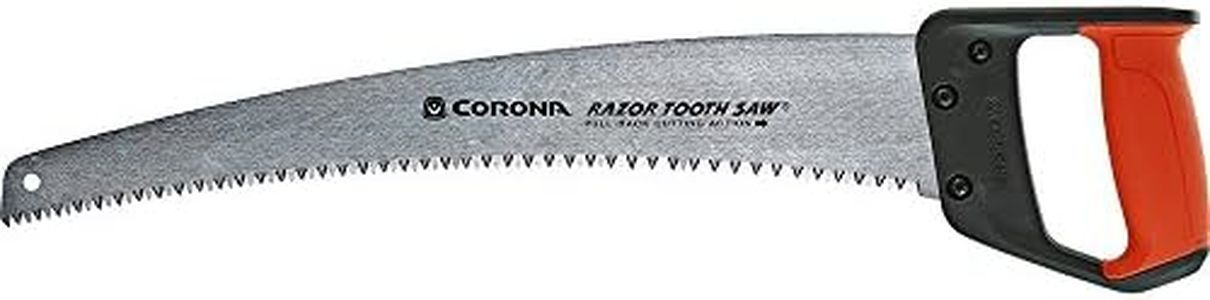
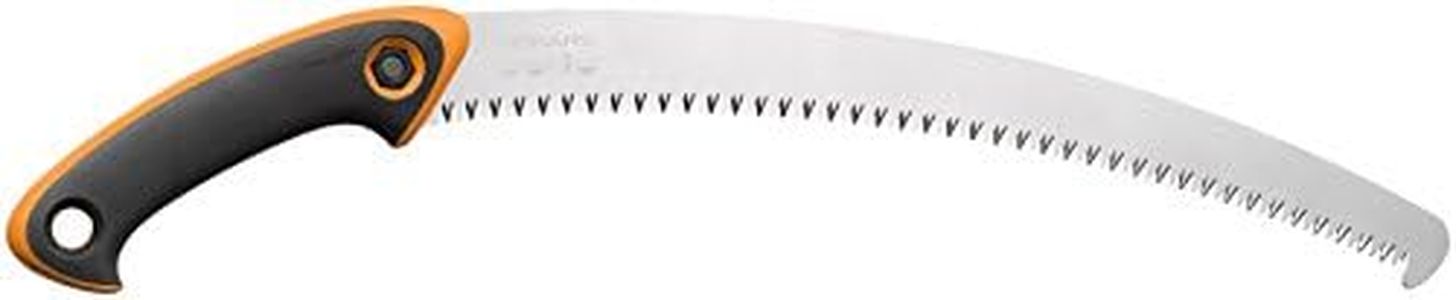
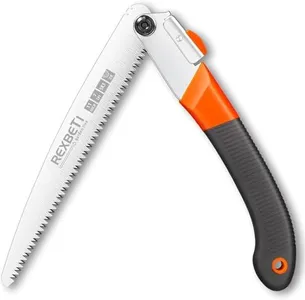

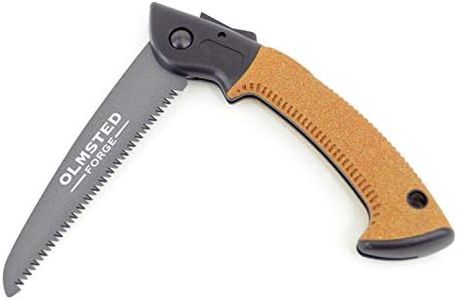
Buying Guide for the Best Camping Saws
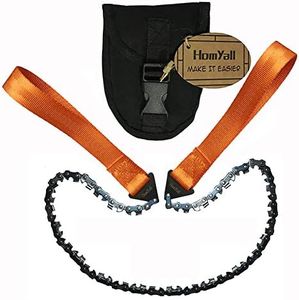
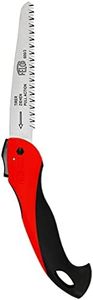
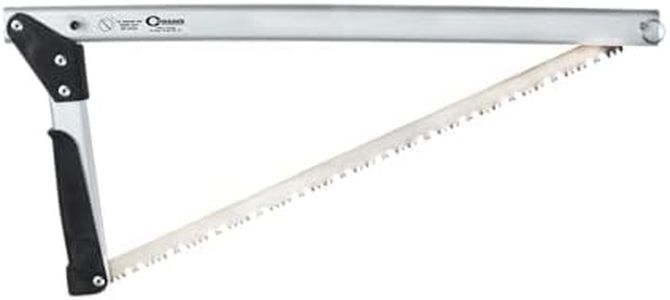
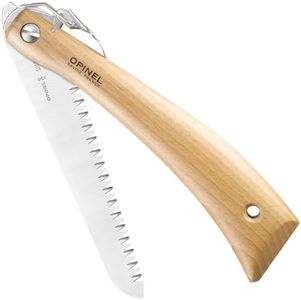
Choosing the right camping saw can make your outdoor adventures much smoother, helping you handle tasks like gathering firewood, clearing a campsite, or building shelter. To find the saw that best fits your needs, it's important to understand the major features and specifications. By learning what each aspect means and how it affects your experience, you can confidently select a saw that aligns well with your camping style and requirements.Saw TypeThe type of camping saw is one of the most important features to consider. Common types include folding saws, bow saws, and pocket chain saws. Folding saws are compact and easy to carry, making them great for hikers and those with limited backpack space. Bow saws typically handle larger cutting jobs and suit car campers or those willing to carry a bit more weight. Pocket chain saws are essentially chains with handles that you move back and forth, offering extreme portability but requiring more effort to use. Choose a type based on the balance you want between portability, ease of use, and cutting power.
Blade LengthThe length of the saw blade determines how large a branch or log you can cut in one motion. Shorter blades (around 5-7 inches) are lightweight and easy to handle, making them ideal for light tasks and small branches. Medium blades (8-12 inches) offer more versatility, suitable for moderate-sized wood typical on campsites. Long blades (over 12 inches) tackle thick wood easily but add bulk. Your choice should match the typical size of wood you'll need to cut and how much you can comfortably carry.
Blade MaterialThe material of the blade usually impacts both durability and cutting performance. Most camping saws feature steel blades, but quality and treatment vary. High-carbon steel offers a good balance of strength and the ability to hold a sharp edge, but it needs occasional maintenance to avoid rust. Stainless steel resists rust better, which is useful in wet environments, but may dull a bit quicker. Think about the environment you'll be camping in and how much maintenance you're willing to do when choosing blade material.
Teeth Per Inch (TPI)TPI refers to the number of teeth in one inch of the saw blade. Blades with lower TPI (5-8) cut faster and are better for coarse, quick cuts through softwoods, but the finish will be rougher. Higher TPI (10-15 or more) delivers smoother cuts and works better for hardwoods, but cuts more slowly. Consider what types of wood you’ll be cutting most often and whether you value speed or smoothness in your cuts.
Weight and PortabilityWeight affects both how easy the saw is to carry and how easy it is to use for longer periods. Light saws are better for backpacking and short trips, especially if you have limited carrying capacity, while heavier saws may be sturdier and better for demanding jobs, making them suitable for car-based camping. Think about how far you’ll be carrying your saw and how much other gear you’ll be packing.
Safety FeaturesSome camping saws include safety features such as locking mechanisms that keep folding blades securely in place, or hand guards that protect your fingers. These features help prevent accidents during use or while carrying the saw. If you’re newer to outdoor tools or will be sharing the saw with others, prioritizing simple, effective safety features is a wise choice.
Handle Design and ComfortThe design and comfort of the handle determine how easy and comfortable the saw is to hold during use. Cushioned, ergonomic handles help reduce hand fatigue during prolonged sawing, and non-slip materials can enhance grip in wet or cold conditions. This is especially important if you expect to use the saw frequently or for extended periods, or if your hands are often exposed to the elements.