We Use CookiesWe use cookies to enhance the security, performance,
functionality and for analytical and promotional activities. By continuing to browse this site you
are agreeing to our privacy policy
10 Best Candelabra Smart Bulbs
From leading brands and best sellers available on the web.By clicking on a link to a third party's website, log data is shared with that third party.
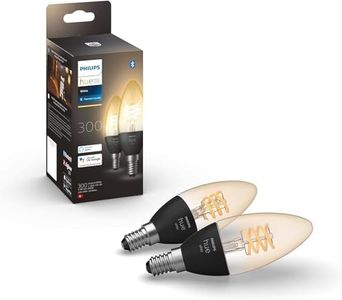
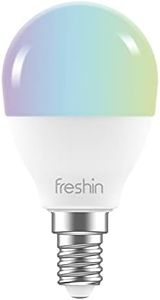
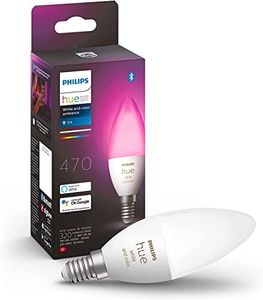
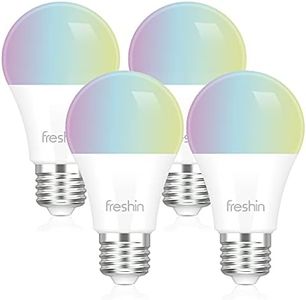
Related Products
Up to 47% off
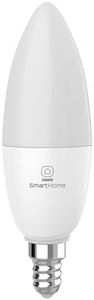
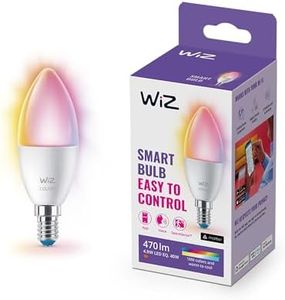
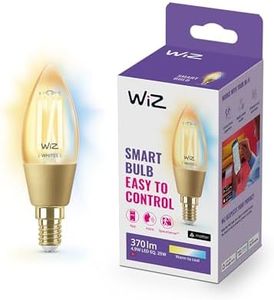
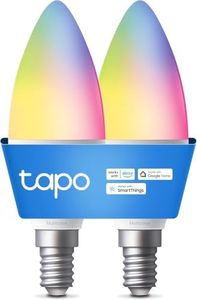
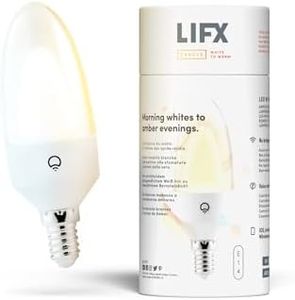
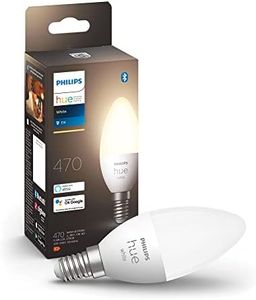
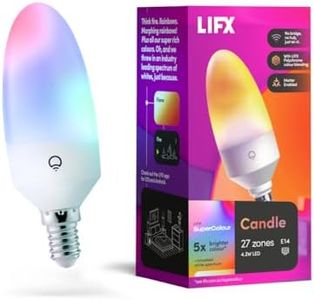
Buying Guide for the Best Candelabra Smart Bulbs
Choosing the right candelabra smart bulb can transform the atmosphere of your room while adding convenience through smart features. Instead of picking just any bulb, consider how you'll use it—do you want to set the mood with lighting scenes, automate your home, or simply replace traditional bulbs with something more efficient and versatile? By understanding the main features and how they match your needs, you’ll make a choice you’ll be happy with in the long run.Base Type and SizeThe base type refers to the part of the bulb that connects into your lamp or fixture, and for candelabra bulbs, the most common is E12, which means the screw base is 12mm in diameter. This is important because if the base doesn't match your fixture, the bulb simply won't fit. Always check your fixture before buying, and if in doubt, look for bulbs that specifically mention compatibility with candelabra, chandelier, or E12 sockets.
Brightness (Lumens)Brightness is measured in lumens and determines how much light the bulb emits. A candelabra bulb typically ranges from about 350 to 600 lumens. Lower values (closer to 350) are suitable for accent lighting, chandeliers, or decorative fixtures, while higher values (over 500) work better if you need more general-purpose lighting in the room. Consider where you'll install the bulb: mood lighting requires less brightness, whereas workspace or main light bulbs should be brighter.
Color Temperature and Color OptionsColor temperature, measured in Kelvins (K), affects whether the bulb gives off a warm, cozy glow (around 2700K) or a cooler, daylight-like light (5000K and above). Some smart bulbs can change color temperature or even display millions of colors. If you want flexibility—for example, warm white while dining and cool white for reading—look for bulbs with adjustable color temperature. For decorating or parties, full color bulbs are a fun choice.
Smart Home CompatibilitySmart bulbs can often be controlled by apps or voice assistants like Alexa, Google Assistant, or Apple HomeKit. Compatibility ensures you can easily integrate the bulb into your current smart home setup. Make sure to check which platforms are supported. If you have multiple devices, or plan to expand your smart home, a bulb that works with a wide range of assistants and apps provides flexibility.
Connectivity (Wi-Fi, Bluetooth, Zigbee, etc.)Smart bulbs use different wireless methods to communicate—most commonly Wi-Fi, Bluetooth, or Zigbee. Wi-Fi bulbs connect directly to your home network, making them easy to use anywhere, but they may contribute to network congestion if you have lots of devices. Bluetooth bulbs are simpler to set up but can be controlled only when you’re nearby. Zigbee bulbs require a special hub but are more reliable in homes with many smart devices. Think about your current setup and how you want to control your bulbs—if you crave simplicity, Wi-Fi or Bluetooth is great. If you're building a large smart home system, Zigbee might be a good fit.
Dimming CapabilityMany candelabra smart bulbs allow you to dim the light using an app or your voice. This is useful if you want to set the mood or adjust lighting based on the time of day. Dimmable bulbs can also help with energy savings and comfort. Some bulbs are only dimmable via their smart controls, not with wall dimmer switches, so check how you’d prefer to control brightness.
Energy Consumption and LifespanSmart LED candelabra bulbs are generally more efficient and last much longer than old incandescent ones. Look for lower wattages (usually 4-6W for LED) to save energy. Lifespan is usually given in hours (often 15,000-25,000 hours for LEDs). If you want bulbs that you won’t need to replace often and which keep power bills down, focus on lower-wattage, long-life bulbs.