10 Best Car Buffing Compounds
From leading brands and best sellers available on the web.By clicking on a link to a third party's website, log data is shared with that third party.
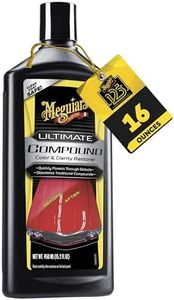
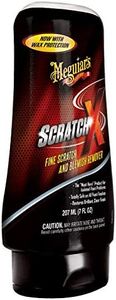
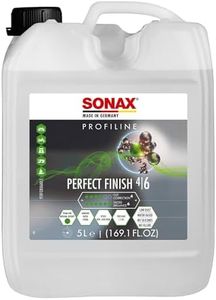

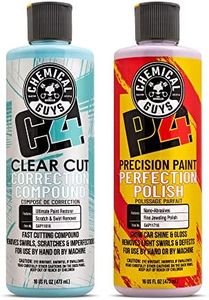
Related Products
Up to 28% off
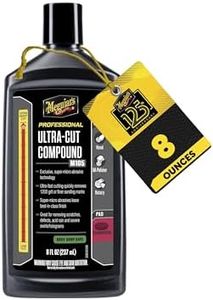
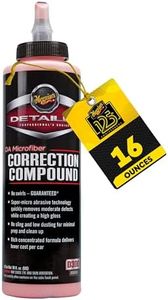

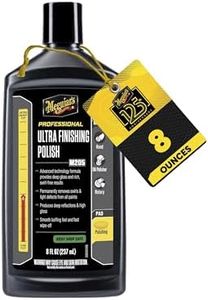


Buying Guide for the Best Car Buffing Compounds
Choosing the right car buffing compound can make a significant difference in your vehicle's appearance and how easy it is to restore shine or remove imperfections. The right product depends on the condition of your car's paint and what you hope to achieve. Whether your goal is to fix scratches, remove oxidation, or add deep gloss, understanding the key features will ensure you pick a compound that matches your car's needs and your skill level.Abrasiveness (Cut Level)Abrasiveness, sometimes called 'cut level,' refers to how aggressive the compound is in removing paint imperfections. A higher cut level is designed to remove deep scratches, oxidation, or heavy swirl marks, while a lower level focuses on lighter blemishes or refining after a heavy compound. Abrasiveness is often rated from heavy (for tough defects) to medium or light (for minor issues and final polishing). To choose the right level, inspect your car’s paint: deeper scratches or heavy oxidation will require a more abrasive compound, but for newer or well-maintained paint, a finer, less abrasive product is safer and produces a better shine.
Type (Compound vs. Polish)Car buffing products typically fall into compounds, which are designed to cut and remove surface defects, or polishes, which focus on enhancing gloss and clarity after compounding. Compounds are for correcting more serious paint issues, while polishes are for the finishing steps. Some products combine both features. Decide what you need: if you’re trying to fix scratches or serious defects, start with a compound. If your car already looks good and you just want to boost shine, a polish may be all you need.
Application MethodSome compounds are formulated for hand application, while others are meant for use with a machine polisher. Hand-applied compounds are usually milder and safer for beginners, but take more effort and time. Machine compounds work faster and deal with heavier defects but require some practice to avoid damaging the paint. Consider your experience and what tools you have: if you’re new, a hand-friendly compound is a gentle starting point; if you already own a machine polisher or face challenging paint issues, a machine-specific product is more effective.
Residue and Ease of WipingBuffing compounds can differ in how easily they wipe off after use. Some formulas leave heavy, sticky residues that take extra effort to clean, while modern compounds are designed for easier removal. If you want a pleasant experience and minimal clean-up, look for products discussed as low-residue or easy to wipe—especially if you plan to use the product frequently or for a whole car.
Paint Compatibility and SafetyIt is important to ensure that the compound you select is safe for your vehicle’s specific paint type, especially if you have older, single-stage paint or specialized finishes. Most compounds are safe for modern clear coats, but always double-check the label for compatibility notes. If you have custom finishes or sensitive paint, pick a gentle, paint-friendly product to avoid unwanted damage.