10 Best Car Oxidation Remover
From leading brands and best sellers available on the web.By clicking on a link to a third party's website, log data is shared with that third party.
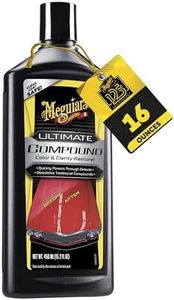
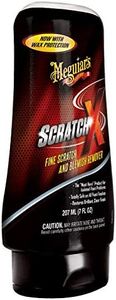
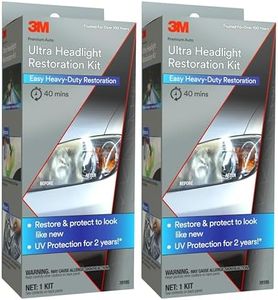
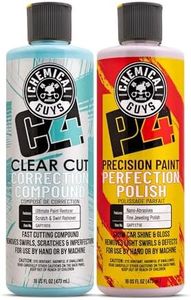
Related Products
Up to 38% off
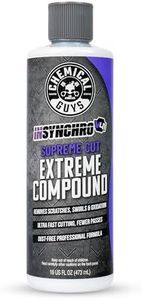
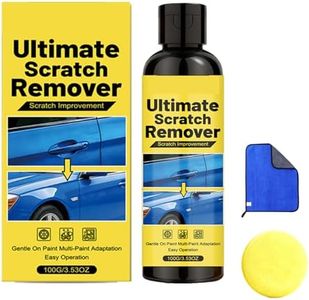
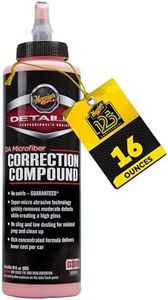

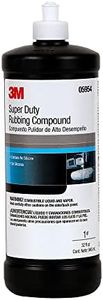
Buying Guide for the Best Car Oxidation Remover
Choosing the right car oxidation remover can really help restore the shine and look of your vehicle’s paint. Oxidation, which appears as dull, chalky patches on your car, happens when paint reacts with oxygen over time, especially if the car spends a lot of time outdoors. Picking an effective oxidation remover involves understanding what your vehicle needs, how severe the problem is, and how comfortable you are with application methods. It's important to look for a product that matches both your car's condition and your own experience level.Type of Oxidation RemoverCar oxidation removers generally come in the form of liquids, pastes, or creams, and they can be divided into two basic types: abrasive (polishing) and chemical. Abrasive removers physically remove the top damaged layer using mild abrasives, while chemical ones use formulas to break down oxidation. If your car has light oxidation, a chemical formula might be enough, and it tends to be easier for beginners. Heavier oxidation usually calls for a mild abrasive remover, which might take more effort but is more effective for deeper damage. Choose based on the level of oxidation and your willingness to do manual work.
Ease of ApplicationSome oxidation removers can be applied and wiped off by hand, while others might require a buffer or a polisher for best results. Products meant for hand use are simple and safe for most users, making them a good choice for light jobs or if you’re new to car care. If you’re more experienced or dealing with severe oxidation, options that can be used with a machine may give better results, but they require a bit more skill and care to avoid damaging paint.
Level of AbrasivenessThis refers to how strong the remover is at cutting through the oxidized layer. Products vary from very gentle, designed for maintaining finish, up to more aggressive formulas meant for serious issues. If oxidation is barely visible, a gentle product is less likely to remove healthy paint and is safer for regular use. If the paint is heavily chalky all over, a medium or high-abrasive type could be needed, keeping in mind it should only be used occasionally to avoid thinning the clear coat.
Compatibility with Paint FinishCar paint can be single-stage or clear-coated, and not all removers are suitable for every finish. Most modern cars have clear coats, which are more sensitive to aggressive polishes. Always check the label for compatibility; choose a remover that mentions it's safe for your paint type. If you’re not sure what kind of finish your car has, select a product labeled as gentle or safe for all finishes to reduce risk of damage.
Protective AdditivesSome oxidation removers also include waxes or sealants to protect the paint after oxidation is removed. These 'all-in-one' products save time by cleaning and protecting in one step. If you want quick results and added protection, look for a remover with added wax or sealant. If you prefer to use a dedicated wax or sealant separately for more lasting protection, a basic oxidation remover might suit you better.