10 Best Car Seats For 5-Year-Olds
From leading brands and best sellers available on the web.By clicking on a link to a third party's website, log data is shared with that third party.


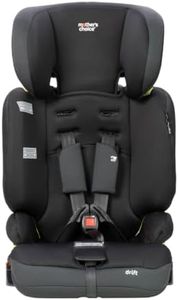
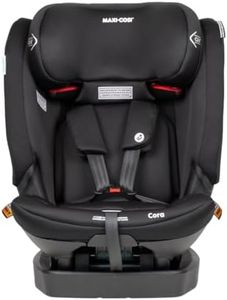
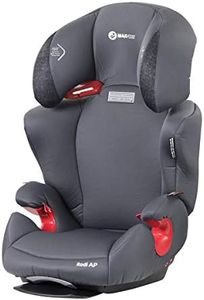
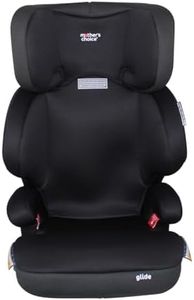
Buying Guide for the Best Car Seats For 5-Year-Olds
Choosing a car seat for your 5-year-old is all about ensuring safety, comfort, and proper fit as your child grows. At this age, children typically move from harnessed car seats to booster seats, but every child's size and development is unique. To make the best choice, you should consider your child's weight, height, and maturity level, as well as your car's seating configuration. A good car seat supports proper seat belt positioning, is comfortable for longer rides, and is simple to use every day. Focusing on a few core features will help you pick a seat that matches both safety standards and your family's needs.Type of SeatThere are mainly two types of car seats for 5-year-olds: forward-facing harnessed seats and booster seats. A forward-facing seat uses a built-in harness and is generally recommended for as long as your child still fits the weight and height requirements, offering extra support and security. Booster seats elevate your child so the car's seat belt fits correctly; they come as high-back or backless versions. If your child has outgrown a harnessed seat by weight or height, transitioning to a booster is the next step. Always consider your child's size and ability to sit still when deciding between these options.
Harness vs. Seat BeltA harness system keeps the car seat secure against your child's body, which is best for younger children who may not sit still or upright for the entire ride. Once your child is big and mature enough (usually over 40 pounds and able to stay in position), a car's seat belt combined with a booster seat is appropriate. If your child still meets harness limits, keeping them in a harness is safest. Assess your child’s behavior in the car: if they frequently slouch or lean, opt for the harness option longer.
Size and Fit (Height & Weight Limits)Every car seat has specific height and weight guidelines. These determine if the seat offers enough protection and the best belt placement. For harnessed seats, check that your child is within the stated limits. For boosters, your child should be tall and heavy enough that the seat belt fits across the chest and upper thighs comfortably. Always measure your child before shopping, and consult the car seat's label for proper fit. Choosing a seat with higher maximum limits can allow for longer, safer use.
Ease of InstallationA car seat must be installed securely to work effectively. Look for seats that offer simple installation features, like clear instructions, easy-to-use belt paths, or LATCH connectors (special hooks that attach to your car). Seats that are complicated or don't fit well in your car are more likely to be installed incorrectly, reducing safety. Before buying, check if the seat fits well in your vehicle and if you can routinely install and remove it without frustration.
Comfort and AdjustabilityYour child might spend a lot of time in their car seat, so comfort matters. Look for options with padding, adjustable headrests, and reclining positions. Adjustable armrests and cup holders can also make rides more pleasant. If your child is tall or gets restless on longer drives, extra adjustability can make every trip smoother.
Safety FeaturesModern car seats come with side-impact protection, energy-absorbing materials, and head support. These features provide added safety in the event of a crash. Look for car seats that meet or exceed current safety standards, and consider options with reinforced frames or additional protection if you frequently drive on highways or in high-traffic areas.
Ease of CleaningSpills and messes happen, especially with young children. Removable, machine-washable covers and wipeable surfaces make cleaning much easier. If your car seat will be used often, being able to clean it without hassle means it will stay fresh and last longer.