We Use CookiesWe use cookies to enhance the security, performance,
functionality and for analytical and promotional activities. By continuing to browse this site you
are agreeing to our privacy policy
10 Best Car Theft Deterrent
From leading brands and best sellers available on the web.By clicking on a link to a third party's website, log data is shared with that third party.



Related Products
Up to 5% off

Buying Guide for the Best Car Theft Deterrent
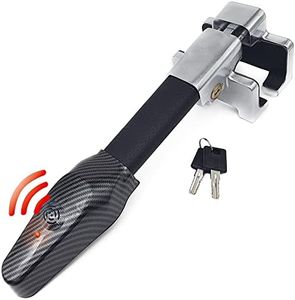
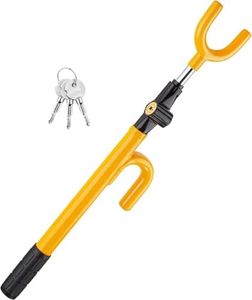
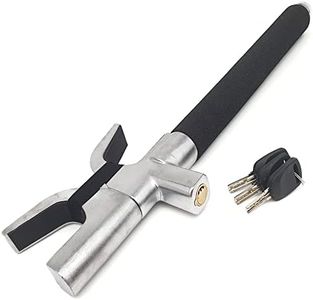
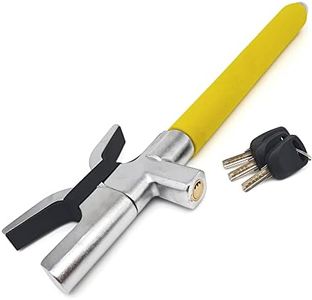
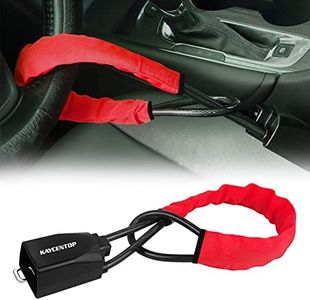
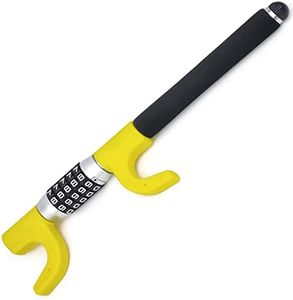
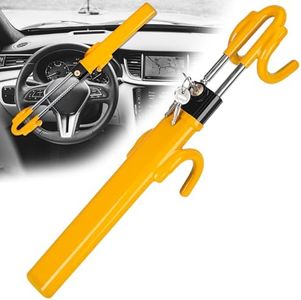
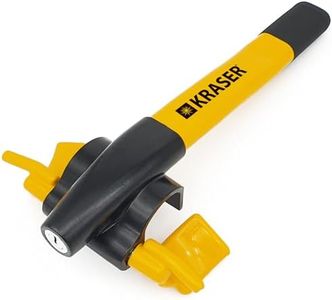
Choosing a car theft deterrent device is about finding the balance between security, convenience, and peace of mind. The main purpose of any deterrent is to make your vehicle less attractive or accessible to thieves. When shopping, consider your typical parking situation (garage, street, public lots), how much hassle you’re willing to accept in daily use, and whether you need portable or installed solutions. The right deterrent for you is one that fits smoothly into your daily routine while providing a powerful obstacle to theft.Type of DeterrentThis refers to the particular method used to prevent or discourage theft, such as steering wheel locks, car alarms, wheel clamps, electronic immobilizers, or GPS tracking devices. Each type targets theft in a different way—physical barriers can physically stop theft, while electronic or alarm-based deterrents make it riskier for thieves. Physical locks like steering or pedal locks are highly visible and easy to use, making them effective for quick stops or visible deterrence. Alarms and immobilizers offer more seamless integration, acting automatically but may be less obvious to thieves until they try to act. GPS trackers won’t prevent theft but can help recover your vehicle. Choose based on your comfort with technology, installation, and how much you want to signal your security to potential thieves.
Ease of UseEase of use refers to how simple it is to activate, deactivate, or manage your deterrent device in everyday life. Some products require manual effort every time you park (like fitting a lock), while others are automatic (like factory alarms or electronic immobilizers). If you use your car many times a day, a device that’s fast and simple to operate is best. If it’s for long-term parking or occasional use, you may accept a bit more setup. Consider your routine and willingness to spend time each time you drive.
VisibilityVisibility is about whether the deterrent is seen from outside the car. Highly visible deterrents—like bright steering wheel locks—can scare off opportunistic thieves before they even try, acting as a warning. Less visible deterrents like immobilizers or internal alarms are hidden, which may surprise a thief already attempting theft. Decide if you want to deter thieves entirely (choose high-visibility) or stop them once inside (hidden deterrents). Your local area and parking conditions can help guide this choice.
Installation RequirementsSome deterrent systems simply lock in place or stick to your window, while others require professional installation into your car’s wiring or electronics. Products that install easily and can be moved between vehicles are best if you might change cars. Built-in or hardwired systems are more permanent and often more seamless, but less flexible. Consider whether you want a permanent upgrade or a removable device for flexibility or use in multiple cars.
Power SourceCar theft deterrents may be powered by your car’s battery, separate batteries, or no power at all (for purely mechanical devices). Devices drawing from your car’s battery are convenient but may draw power when you’re parked for long periods. Standalone battery units are independent but need periodic battery changes. Mechanical devices have no power worries but offer less functionality. Pick a solution that matches how you use your car—regular drivers may prefer powered models, occasional drivers may lean toward mechanical or battery-powered devices.